Fernand Léger
La fleur noire
Artista
Fernand Léger
1881 Argentan - Gif-sur-Yvette 1955
Ulteriori informazioni
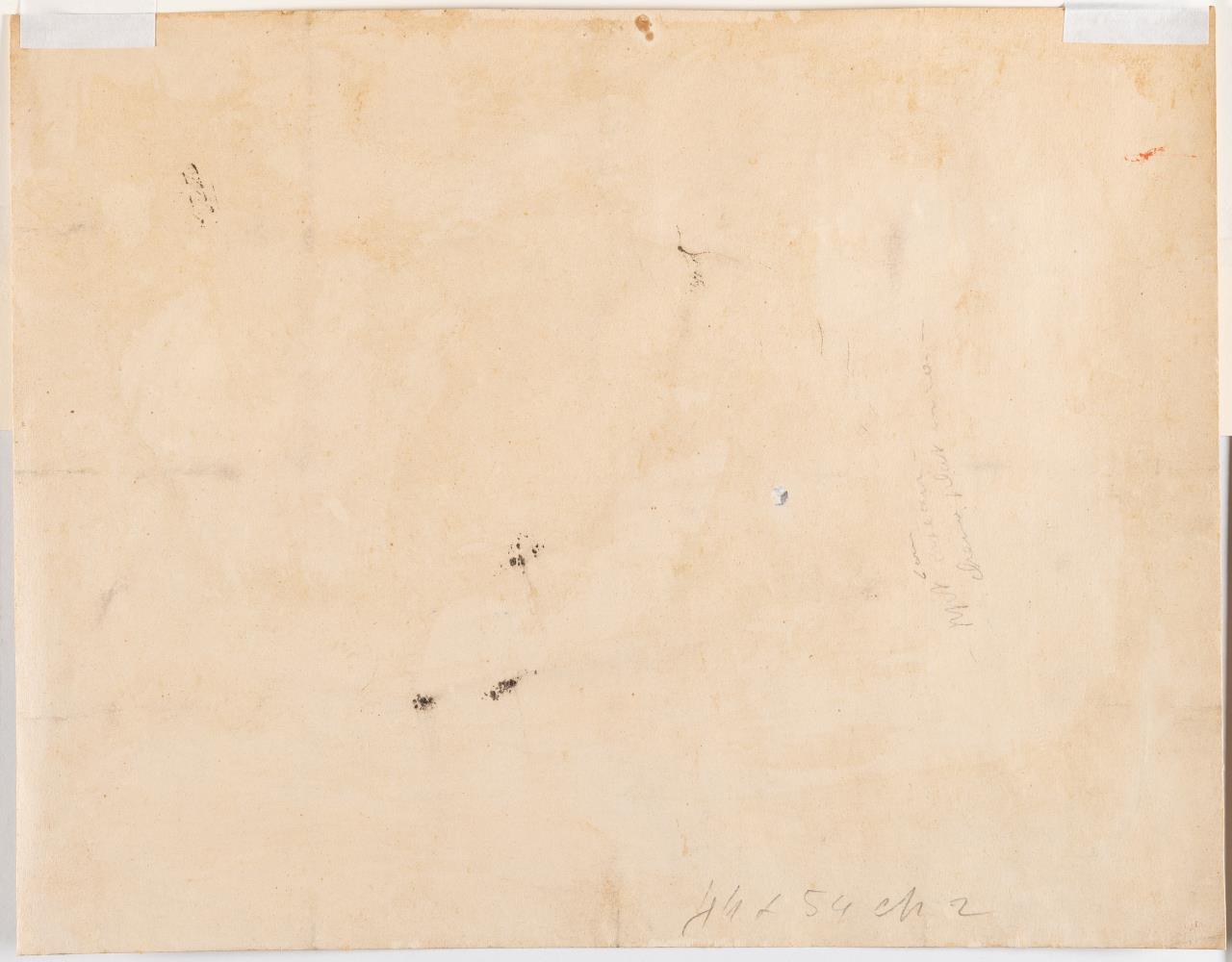
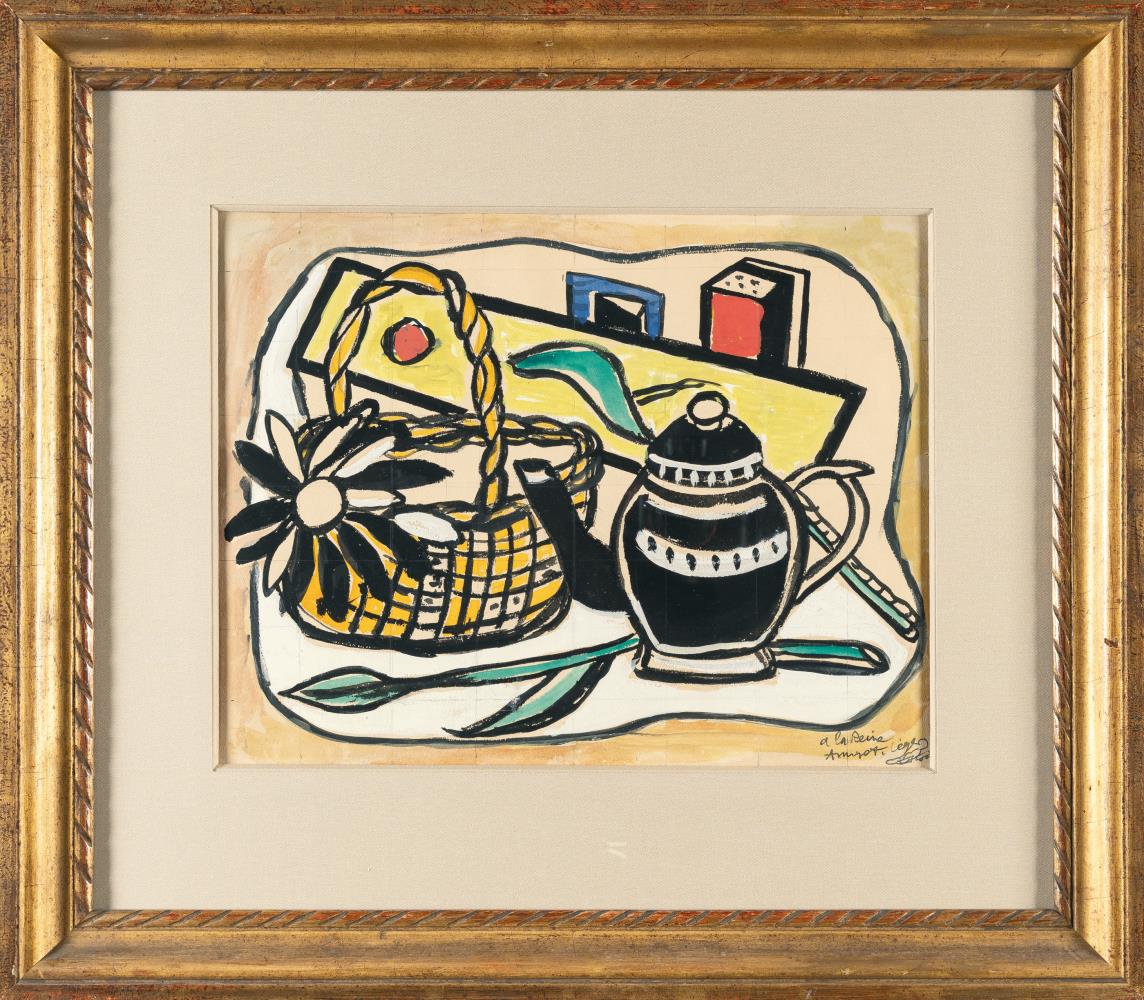
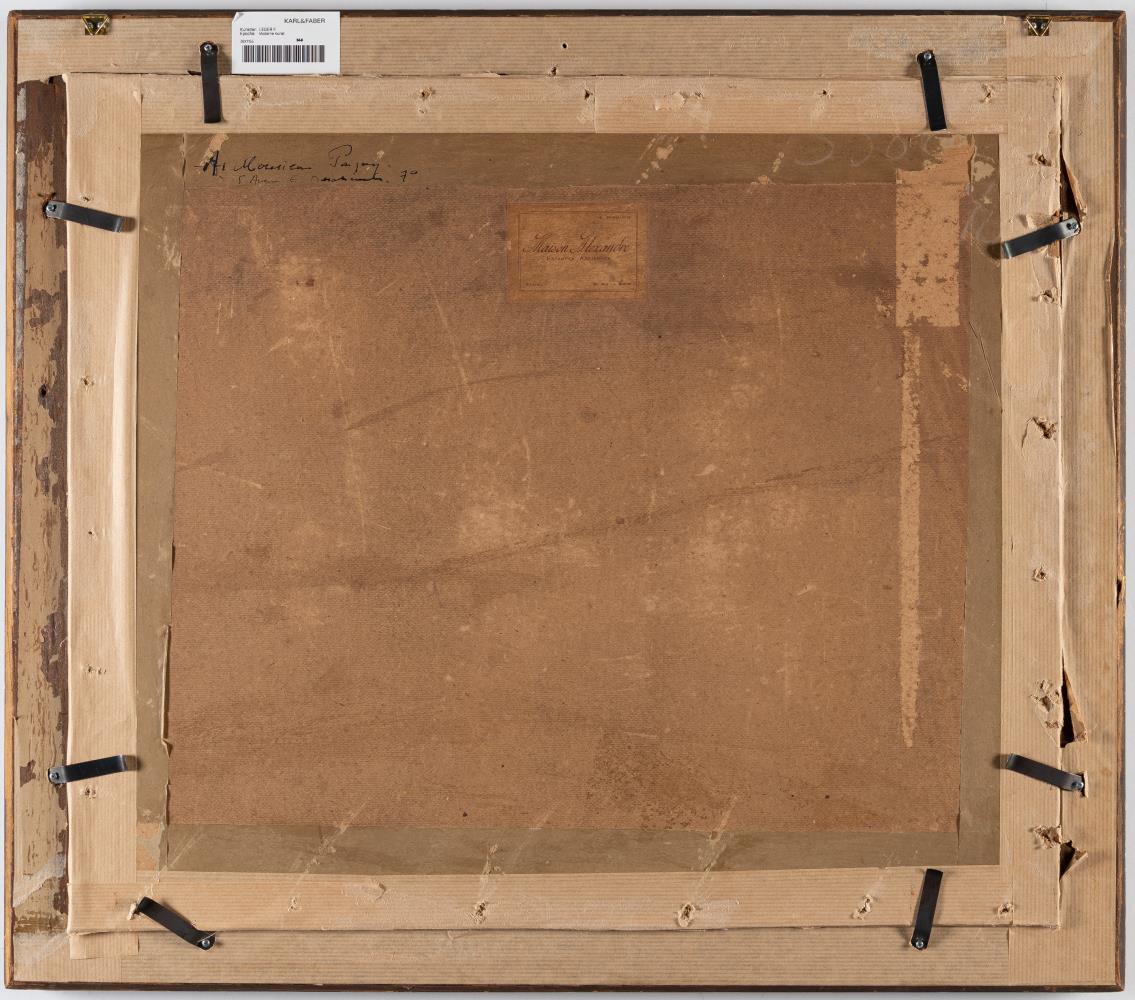
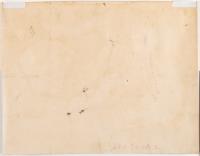
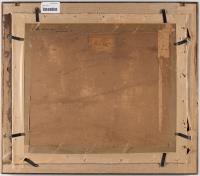
Verso auf der Rahmenrückpappe altes Etikett "Maison Alexandre, Estampes Anciennes, Paris, 61 Rue La Boétie" sowie schwer leserliche handschriftliche Bezeichnung "A Monsieur (...)".
Mit einer Fotoexpertise von Irus Hansma, Muri, vom 19.4.2023 mit der Nr. "757042023". Dieses Werk wird in das in Vorbereitung befindliche "Répertoire des œuvres sur papier de Fernand Léger" aufgenommen.
Mit einer Fotoexpertise von Irus Hansma, Muri, vom 19.4.2023 mit der Nr. "757042023". Dieses Werk wird in das in Vorbereitung befindliche "Répertoire des œuvres sur papier de Fernand Léger" aufgenommen.
Provenienza
Private collection, France;
Bretagne Encheres, Rennes 14 June 2010, lot 118;
Sotheby’s, Paris 8 December 2010, lot 77;
Private collection, Monaco, acquired from the aforementioned.
Bretagne Encheres, Rennes 14 June 2010, lot 118;
Sotheby’s, Paris 8 December 2010, lot 77;
Private collection, Monaco, acquired from the aforementioned.
Share


Descrizione
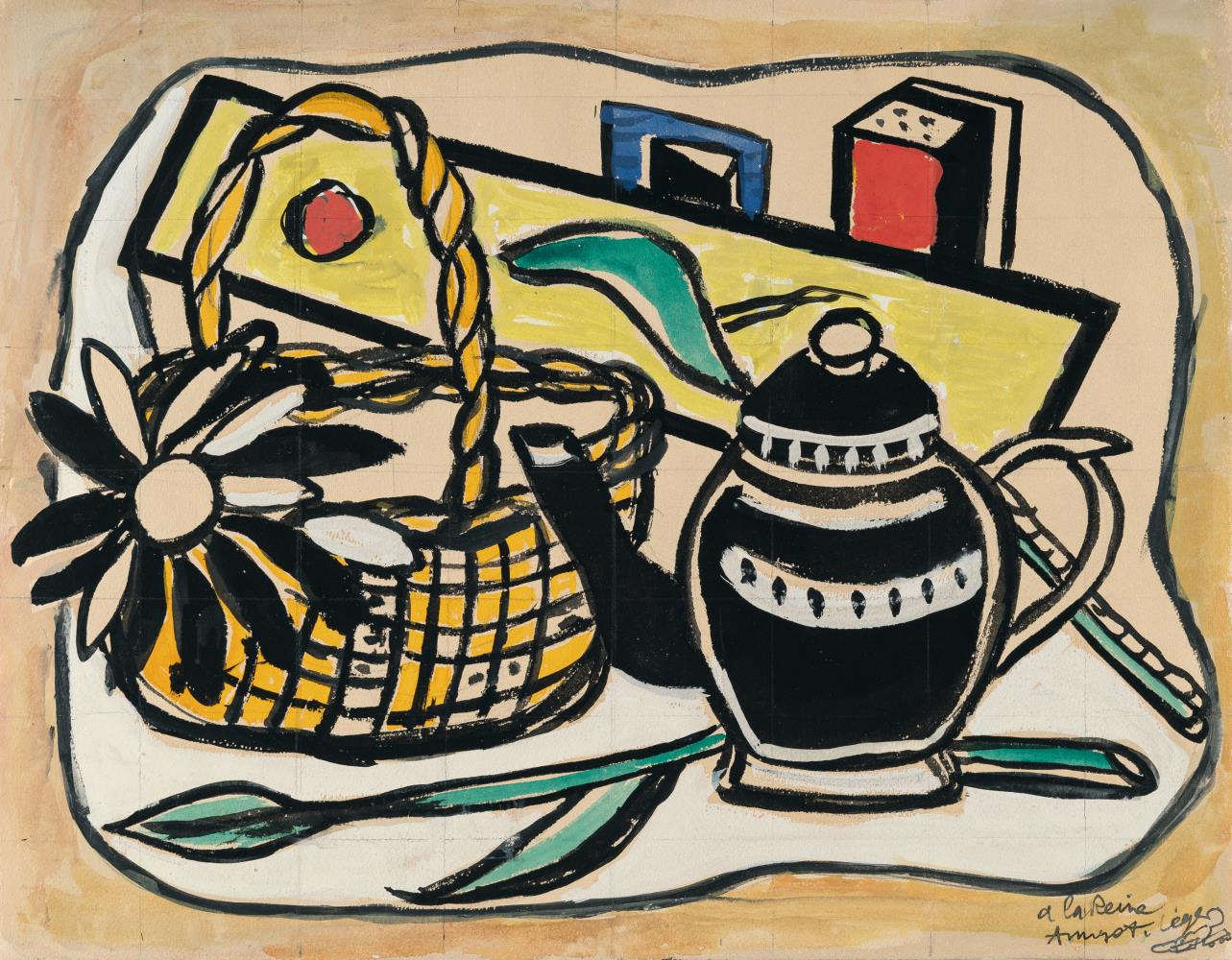
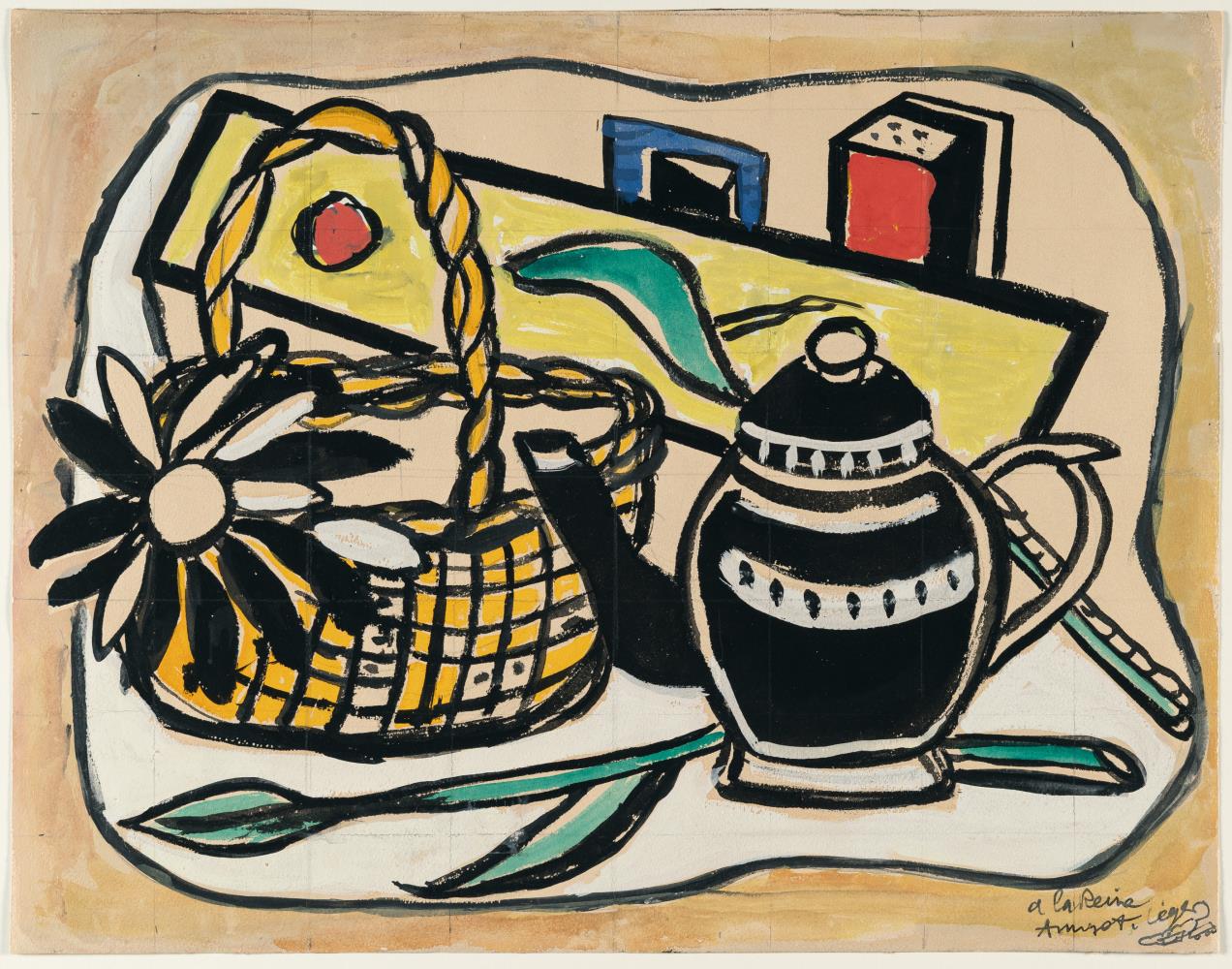
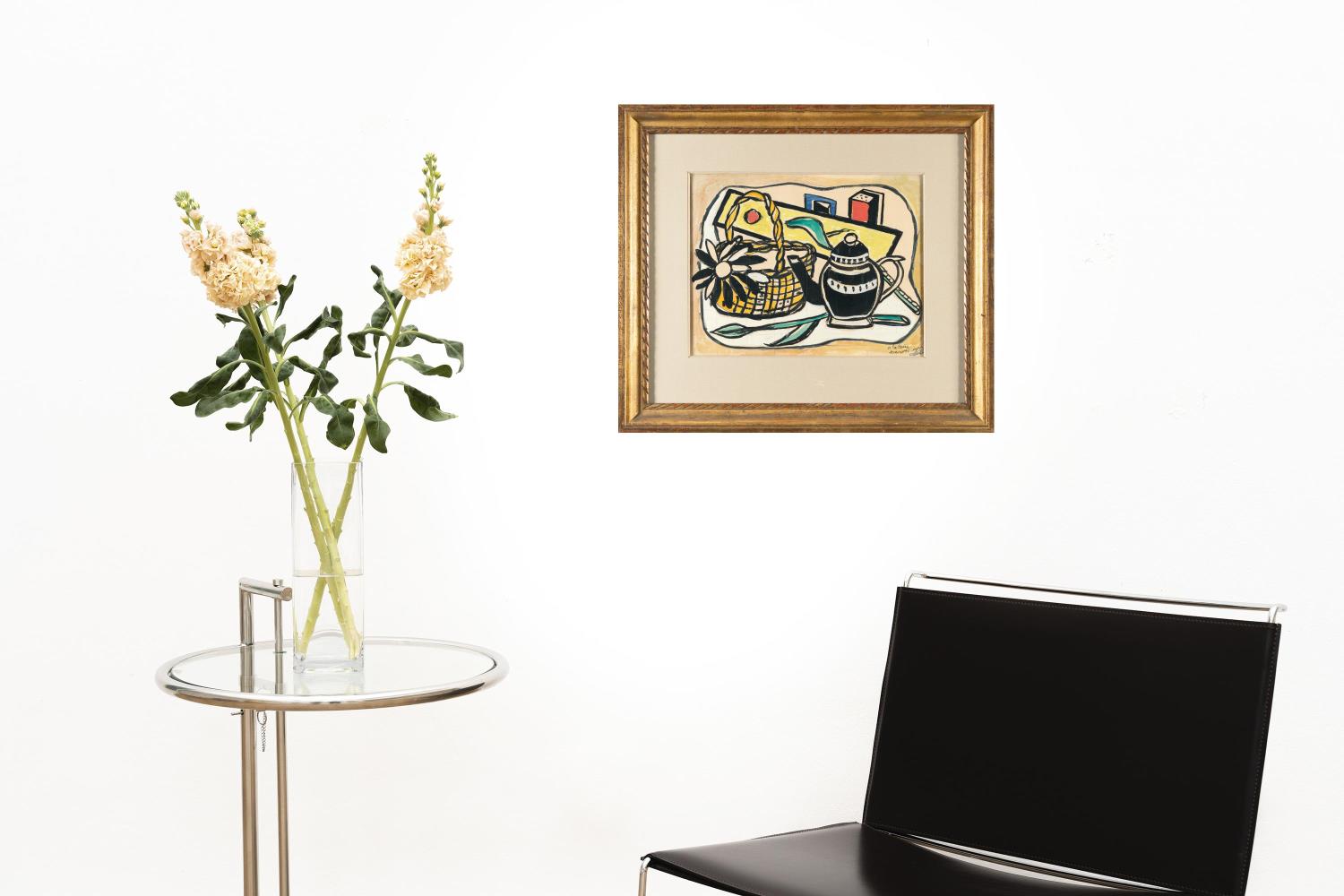
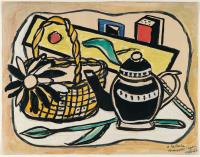
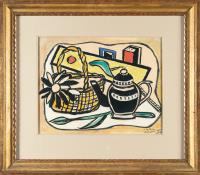
• Preparatory study for the oil painting of the same name
• Created during a period of visual simplification and striking imagery
• A masterful example of Léger’s late work
In Fernand Léger’s "La fleur noire", artistic worlds collide: in terms of subject matter, the preparatory work for the painting of the same name depicts a traditional still life. Stylistically, however, Léger ventures into new territory. He had returned from the USA a few years earlier. He had emigrated there in 1940 and taught at Yale University. At the same time, he was exposed to American influences in art and everyday life. During this period, his style became flatter and his colours simpler. After his return to France, he continued along this path; his way of conceiving art became increasingly striking in the final years of his life, yet remained rooted in the pictorial conventions of the past. In this juxtaposition of traditional motifs and contemporary execution, Léger’s late work demonstrates how the artist comprehends, processes and appropriates both the popular cultural aesthetics of the time and the canon of art history.
In the same year, Léger transferred this beautiful still-life composition onto canvas in a slightly larger format (50 x 65 cm, cf. Bauquier/Hansma catalogue raisonné of oil paintings 1428, now in private collection) using a fine grid of pencil lines.
• Created during a period of visual simplification and striking imagery
• A masterful example of Léger’s late work
In Fernand Léger’s "La fleur noire", artistic worlds collide: in terms of subject matter, the preparatory work for the painting of the same name depicts a traditional still life. Stylistically, however, Léger ventures into new territory. He had returned from the USA a few years earlier. He had emigrated there in 1940 and taught at Yale University. At the same time, he was exposed to American influences in art and everyday life. During this period, his style became flatter and his colours simpler. After his return to France, he continued along this path; his way of conceiving art became increasingly striking in the final years of his life, yet remained rooted in the pictorial conventions of the past. In this juxtaposition of traditional motifs and contemporary execution, Léger’s late work demonstrates how the artist comprehends, processes and appropriates both the popular cultural aesthetics of the time and the canon of art history.
In the same year, Léger transferred this beautiful still-life composition onto canvas in a slightly larger format (50 x 65 cm, cf. Bauquier/Hansma catalogue raisonné of oil paintings 1428, now in private collection) using a fine grid of pencil lines.