Oskar Moll
Schneelandschaft mit roter Brücke
Artist
Oskar Moll
Provenance
Collection Mrs. Robert Charles Weinberg, New York, acquired directly from the artist in Berlin in 1947, owned until 1975;
Private collection, USA;
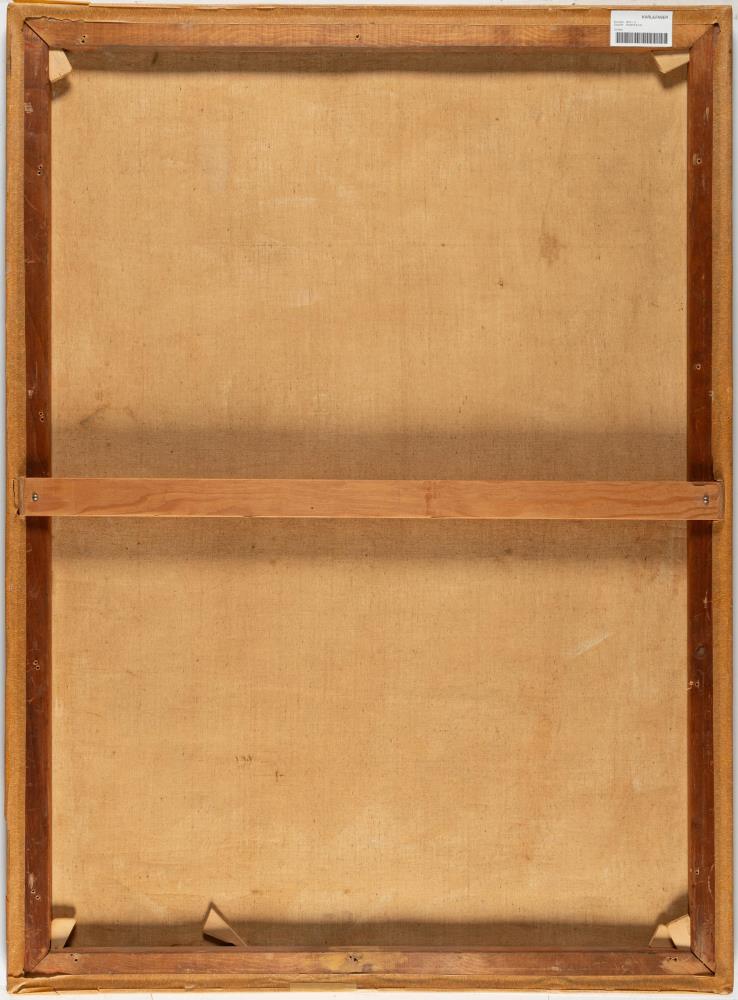
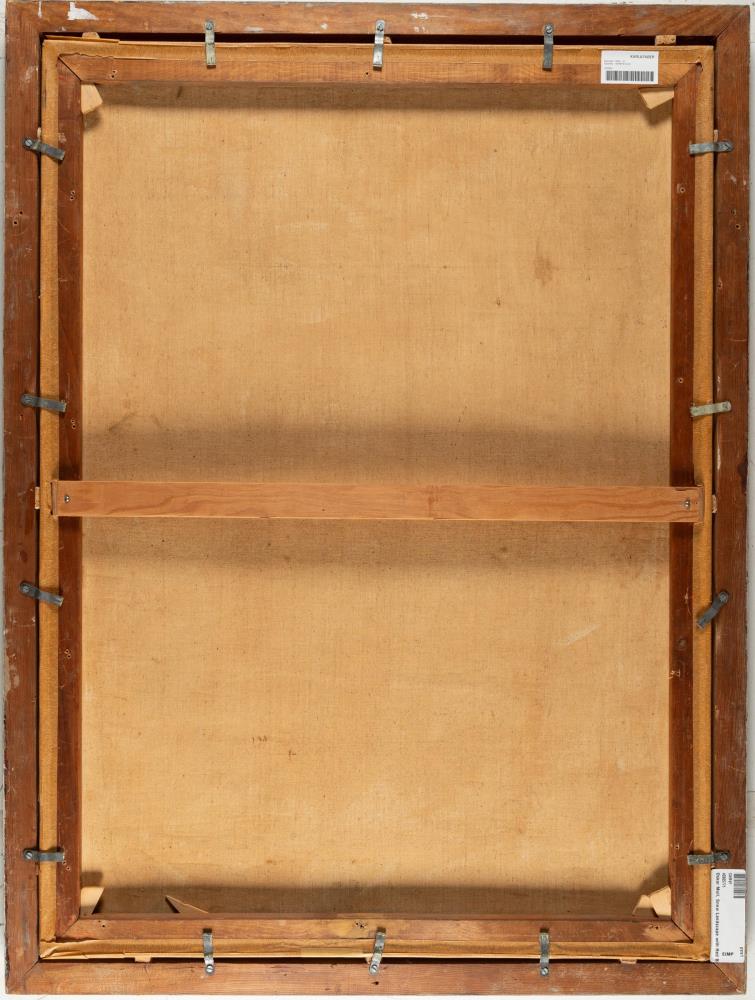
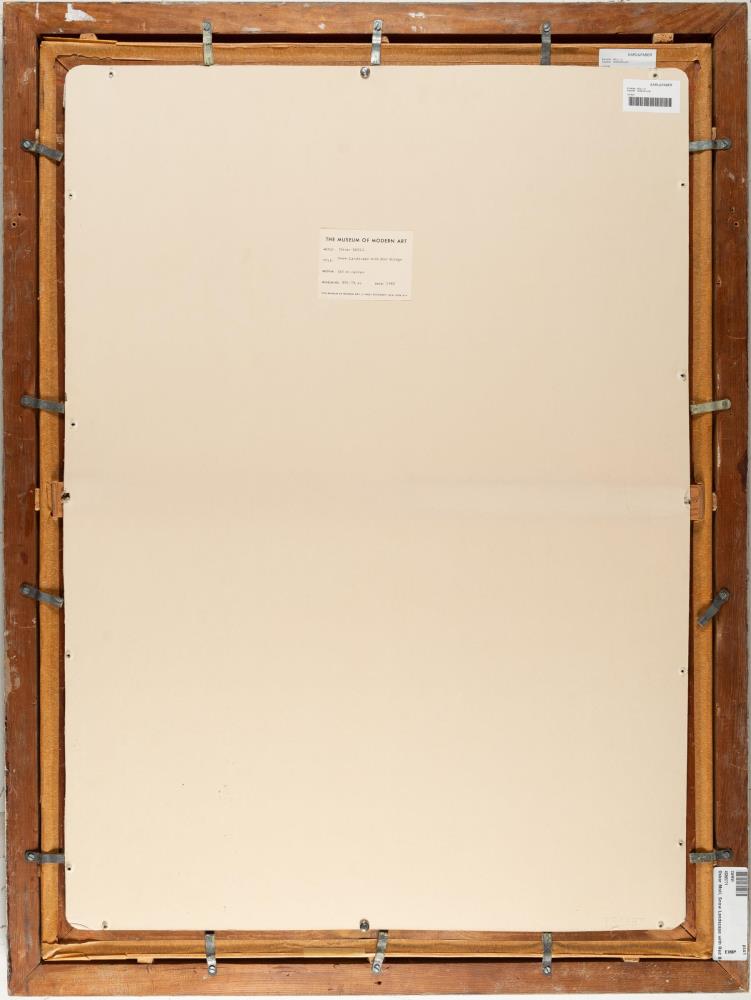
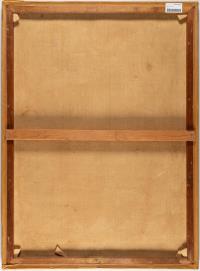
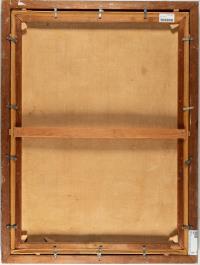
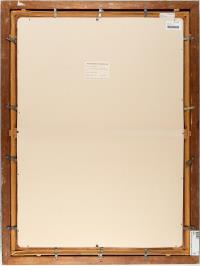
The Museum of Modern Art, New York, with the label on the reverse of the frame, received as a gift from the aforementioned in 1979.
Private collection, USA;
The Museum of Modern Art, New York, with the label on the reverse of the frame, received as a gift from the aforementioned in 1979.
Share


Description
- Comparable to positions by Feininger, Purrmann and Matisse - characterized by unmistakable independence and lyrical reduction
- Works from the 1940s by Oskar Moll are considered rare and particularly collectible
- Typical work by the artist, showing the synthesis of French modernism and German formal culture
Oskar Moll's work combines influences from Impressionism, Fauvism, Expressionism and Cubism to create an unmistakably lyrical visual language. The former biology student rediscovers the laws of growth, form and color in painting - always in search of the living rhythm of nature: "In our teachings of analytical and synthetic composition, in the mastery of the world of form and color with its various contrasting effects, nature, the great teacher, will always stand by our side so that we can achieve harmony in the face of its eternal rhythm, through contrast and balance."
Oskar Moll, 1930
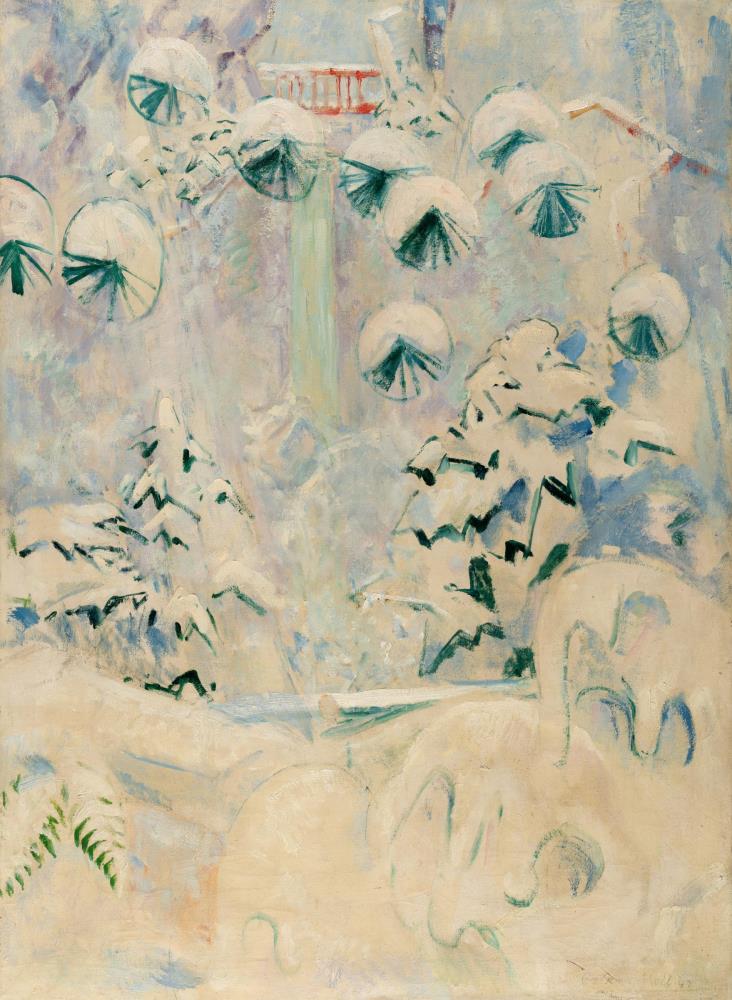
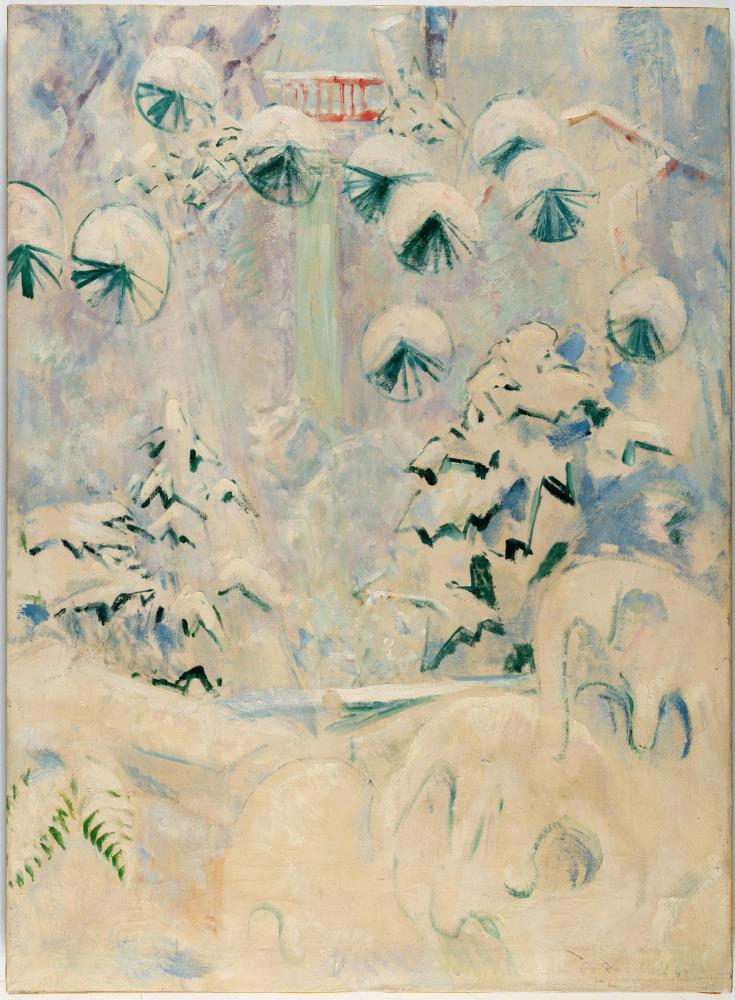
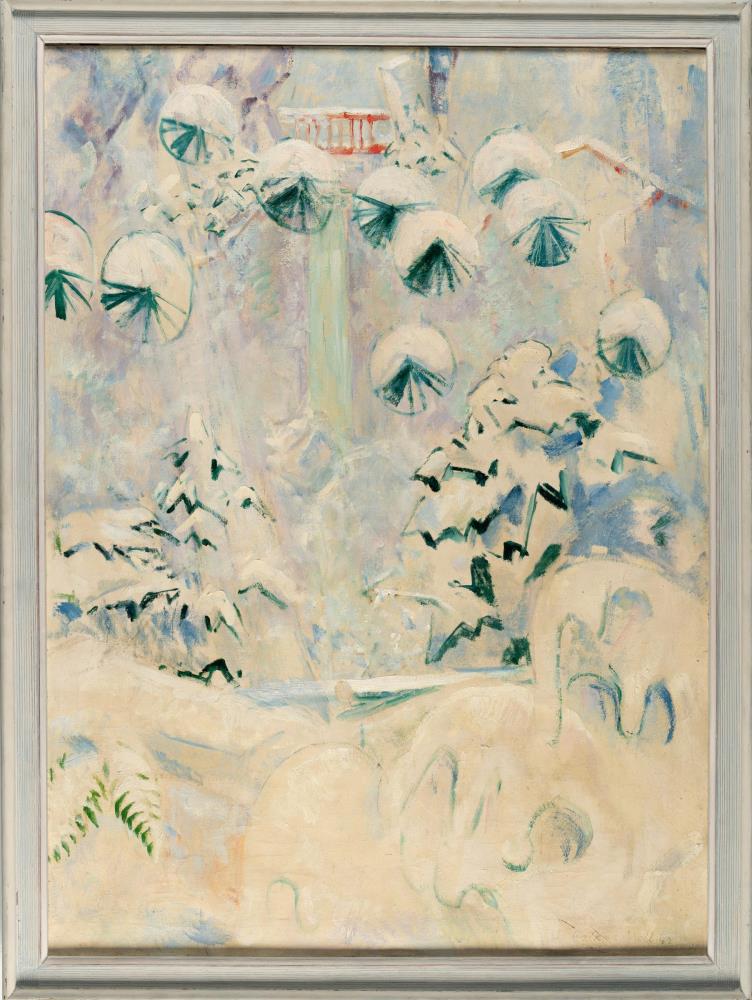
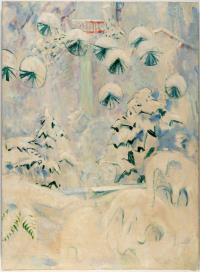
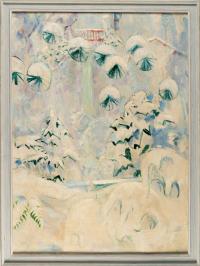
In this delicate, almost Japanese-like winter landscape from 1942, Moll demonstrates his masterful ability to merge space and surface. Snow, trees and architectural fragments dissolve into a transparent mesh of light and color. The gaze is not guided, but floats - as if in a quiet moment of contemplation.
Moll's compositional reduction and subtle use of color lend the painting an almost spiritual calm. Here, his proximity to French modernism is combined with an inner clarity reminiscent of Far Eastern aesthetics. A work of haunting poetry and rare balance - a highlight of his late work, in which Moll finds his own form of harmony.
Salzmann 479.
- Works from the 1940s by Oskar Moll are considered rare and particularly collectible
- Typical work by the artist, showing the synthesis of French modernism and German formal culture
Oskar Moll's work combines influences from Impressionism, Fauvism, Expressionism and Cubism to create an unmistakably lyrical visual language. The former biology student rediscovers the laws of growth, form and color in painting - always in search of the living rhythm of nature: "In our teachings of analytical and synthetic composition, in the mastery of the world of form and color with its various contrasting effects, nature, the great teacher, will always stand by our side so that we can achieve harmony in the face of its eternal rhythm, through contrast and balance."
Oskar Moll, 1930
In this delicate, almost Japanese-like winter landscape from 1942, Moll demonstrates his masterful ability to merge space and surface. Snow, trees and architectural fragments dissolve into a transparent mesh of light and color. The gaze is not guided, but floats - as if in a quiet moment of contemplation.
Moll's compositional reduction and subtle use of color lend the painting an almost spiritual calm. Here, his proximity to French modernism is combined with an inner clarity reminiscent of Far Eastern aesthetics. A work of haunting poetry and rare balance - a highlight of his late work, in which Moll finds his own form of harmony.
Salzmann 479.