Arnulf Rainer
Haute Coiffure
Artista
Arnulf Rainer
1929 Baden bei Wien - Wien 2025
Ulteriori informazioni
Breicha R25-R34 (Ausgabe B von C, dort mit leicht abweichender Auflage).
Provenienza
Private collection, Rhineland.
Share


Descrizione
• Significant early folder, groundbreaking in the artist’s oeuvre
• The drypoint medium is ideally suited to the gestural, expressive clusters of lines
• Arnulf Rainer is one of Austria’s most important artists
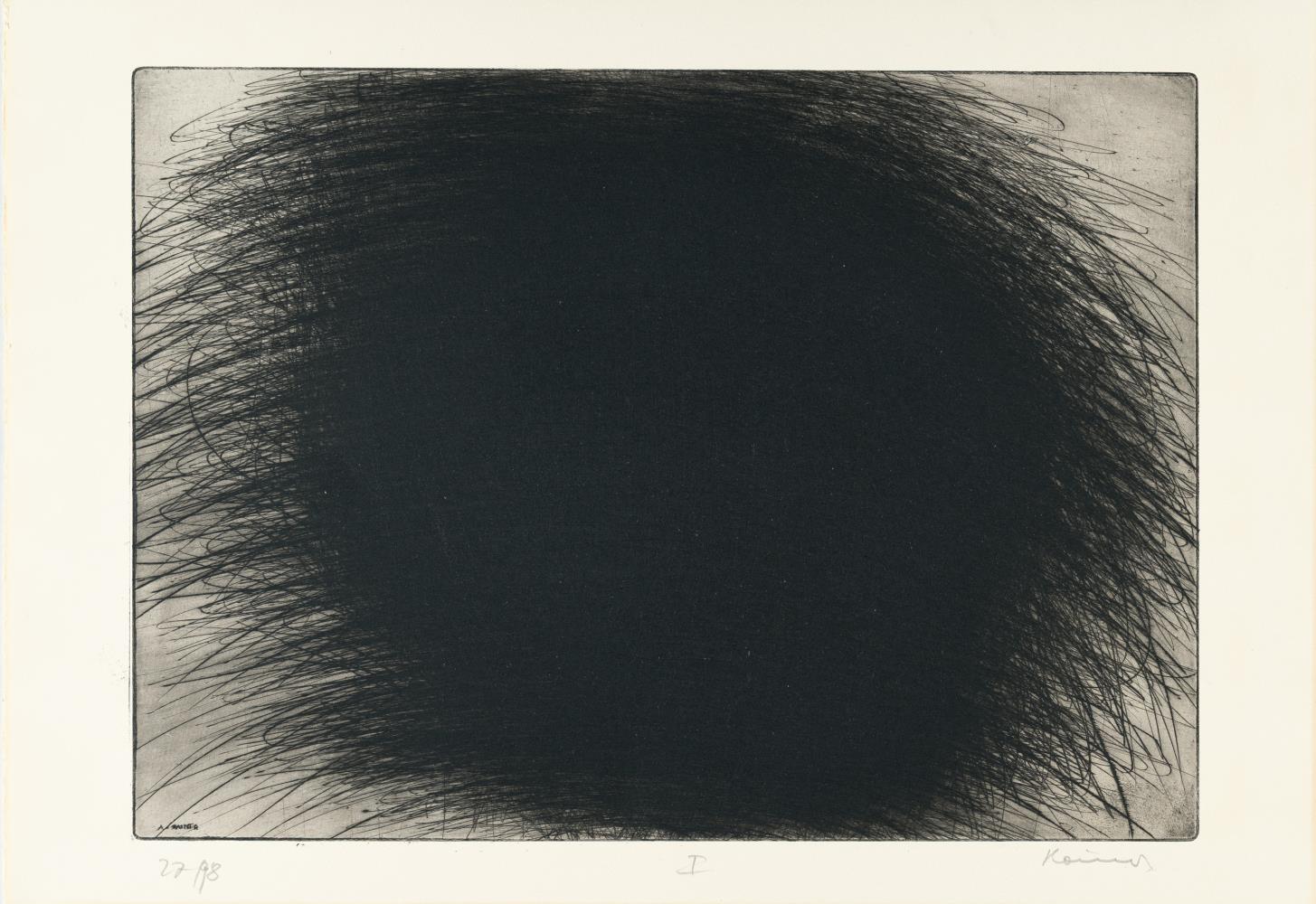
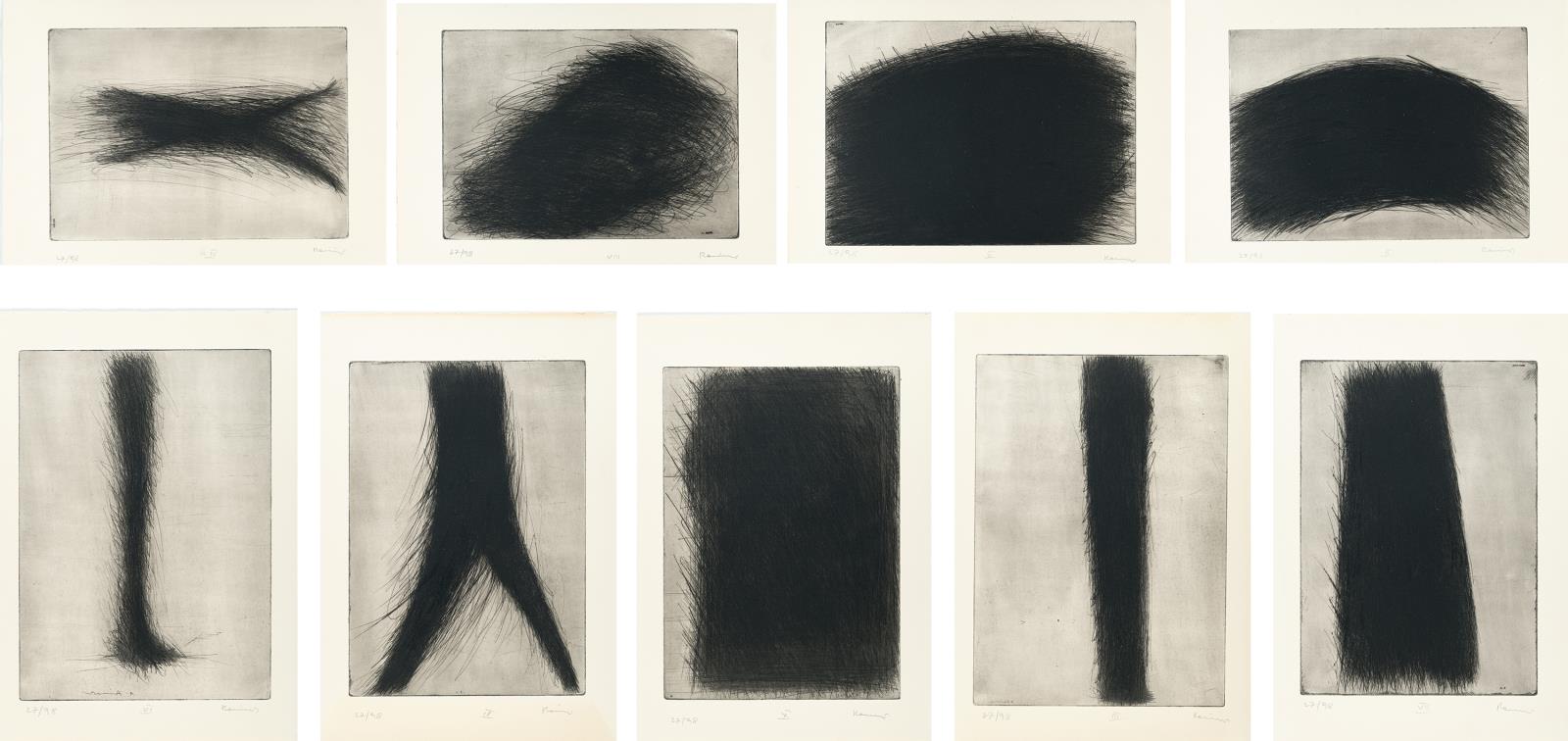
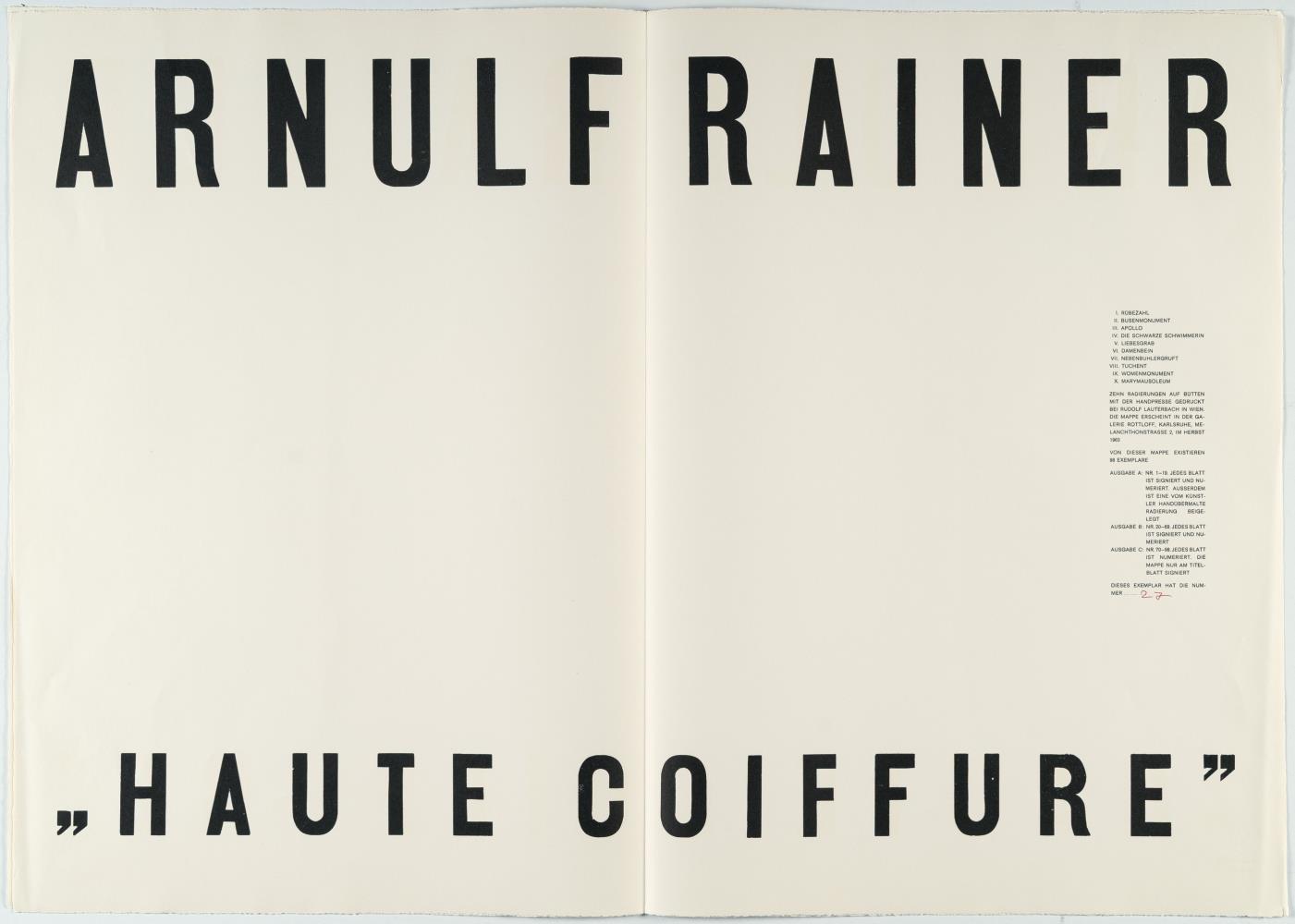
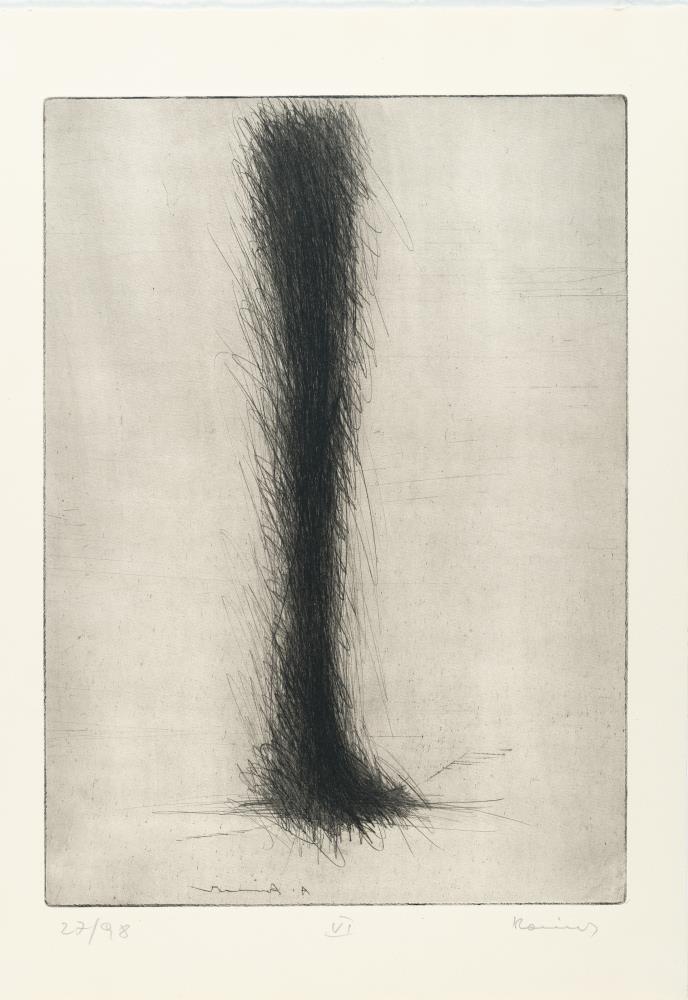
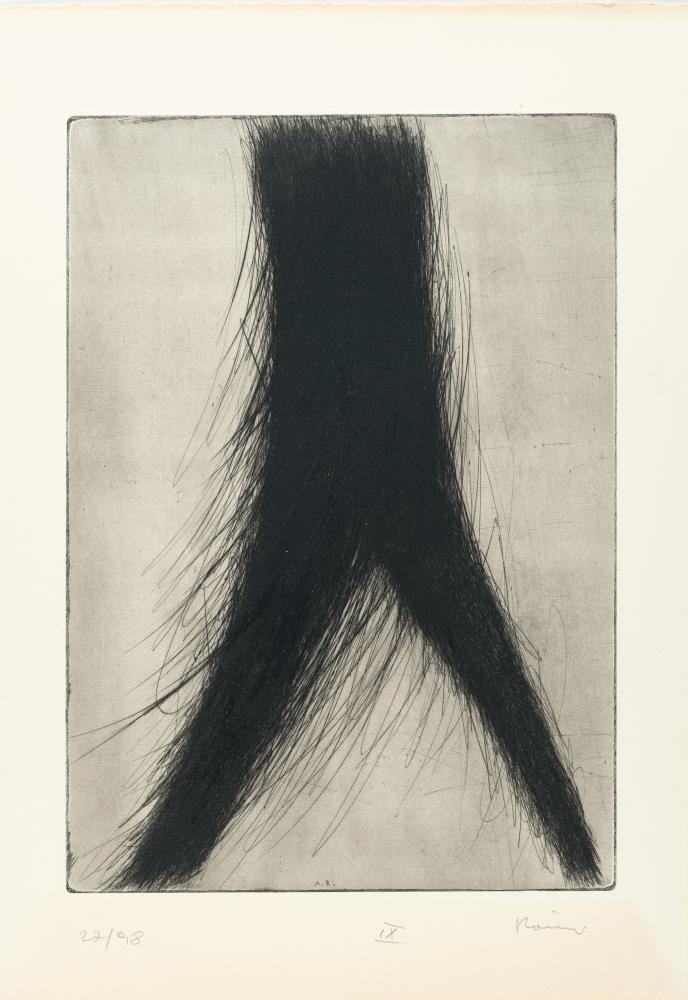
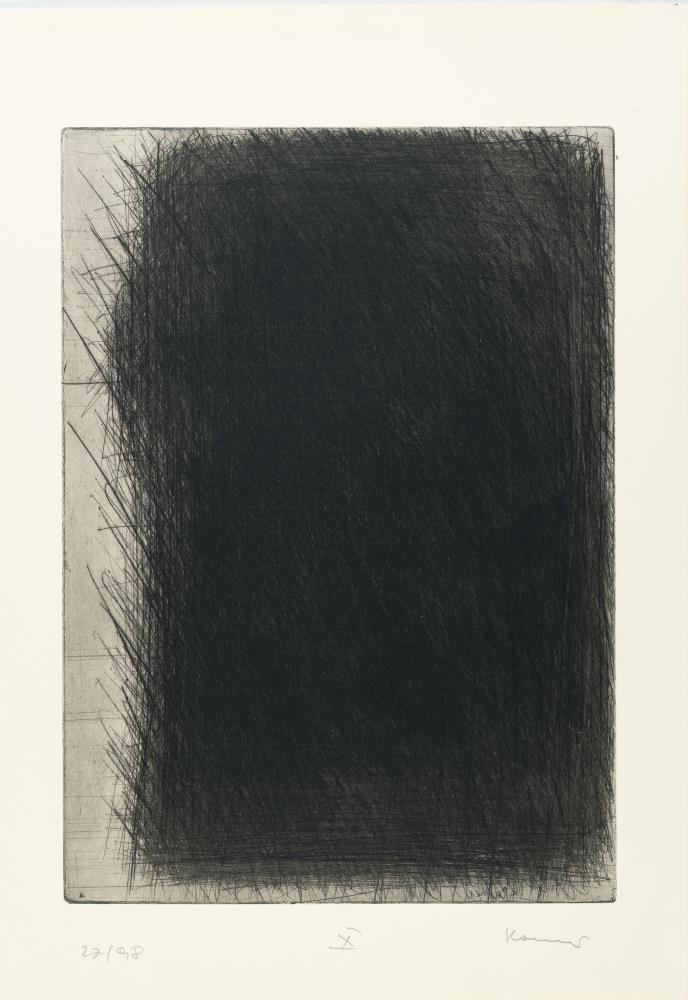
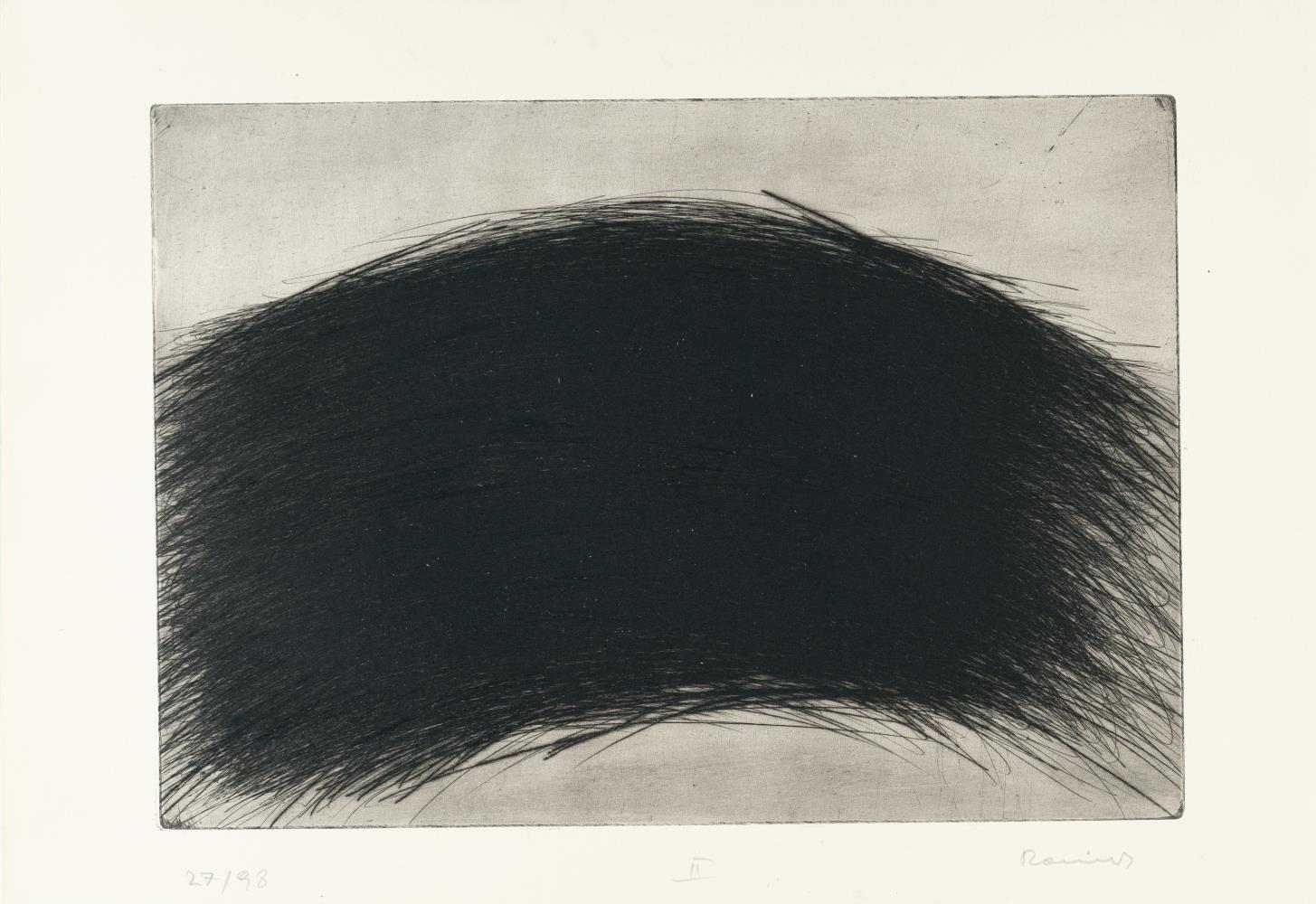
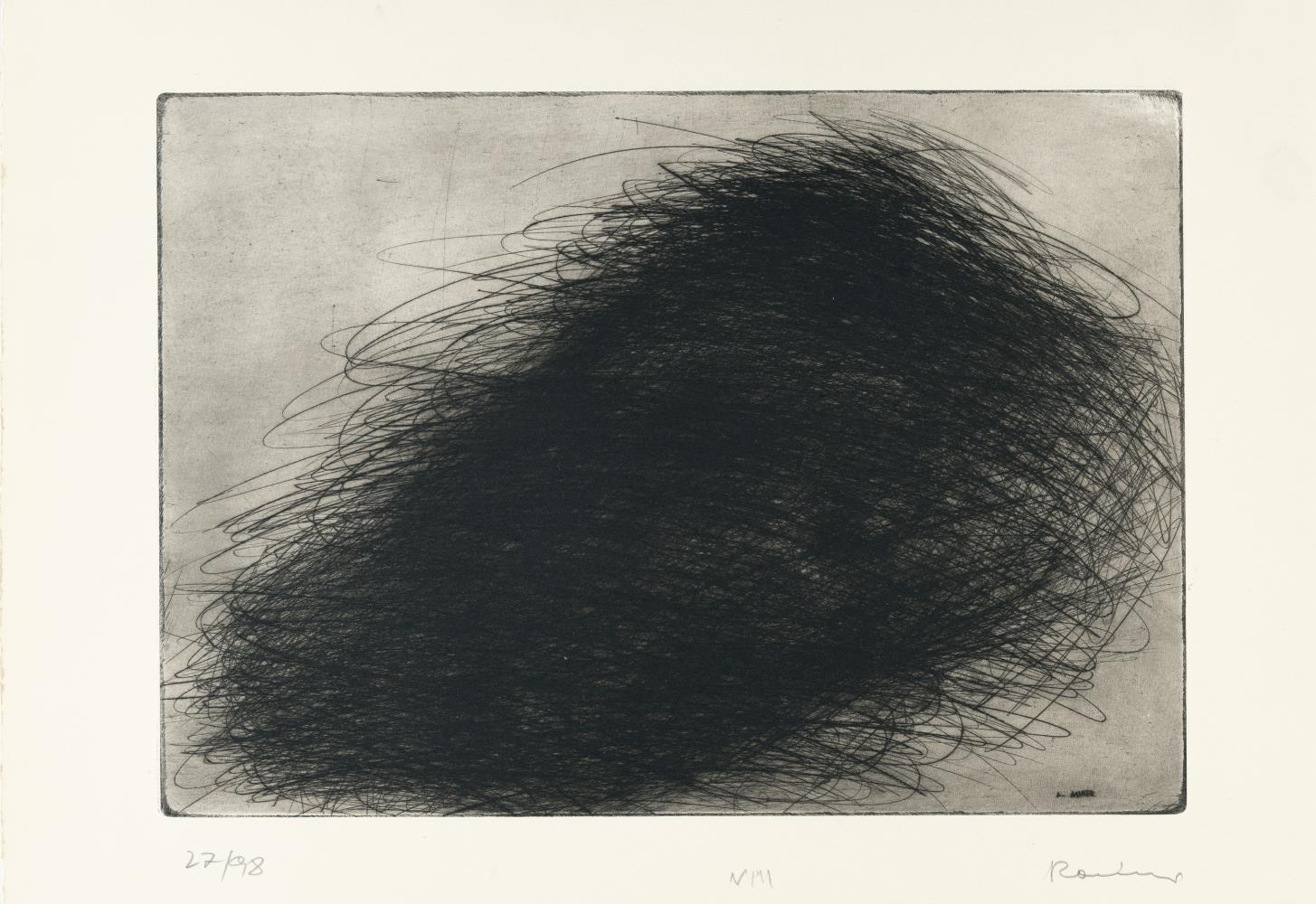
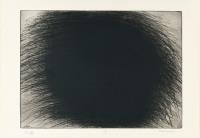
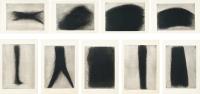
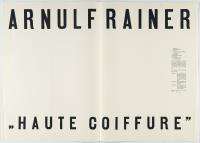
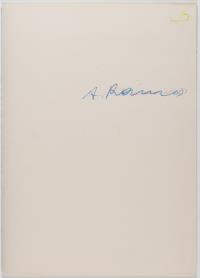
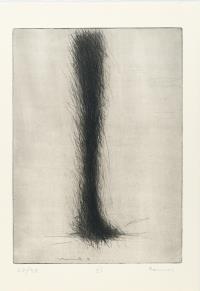
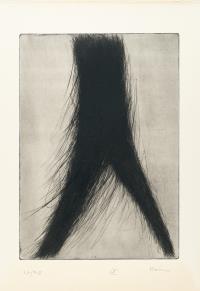
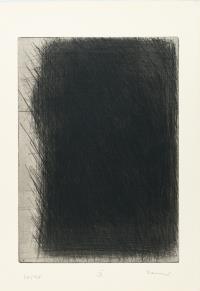
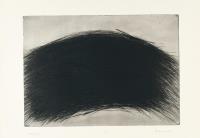
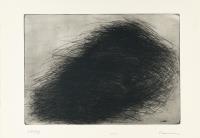
The 10 drypoint etchings "Haute Coiffure" by Arnulf Rainer belong to the early phase of his oeuvre, in which he engaged intensively with gestural condensations and radical reductions. The sheets display dense, black clusters of lines reminiscent of tufts of hair or wigs. The title ironically alludes to fashion and superficiality, whilst the execution represents an almost obsessive, physically palpable expression of the creative process. Here already, Rainer’s central technique of overpainting—which would later become his trademark—is foreshadowed: the condensation, erasure and transformation of existing pictorial states. The fields of lines appear as energetic accumulations that do less to depict than to render visible states of psychological intensity. The Haute-Coiffure sheets reveal Rainer’s fundamental interest in the physical, in automatism, and in the borderline states between control and ecstasy. At the same time, they already reveal the dialectical tension that characterises his work: between visibility and concealment, between image and gesture, between ironic distance and existential urgency.
• The drypoint medium is ideally suited to the gestural, expressive clusters of lines
• Arnulf Rainer is one of Austria’s most important artists
The 10 drypoint etchings "Haute Coiffure" by Arnulf Rainer belong to the early phase of his oeuvre, in which he engaged intensively with gestural condensations and radical reductions. The sheets display dense, black clusters of lines reminiscent of tufts of hair or wigs. The title ironically alludes to fashion and superficiality, whilst the execution represents an almost obsessive, physically palpable expression of the creative process. Here already, Rainer’s central technique of overpainting—which would later become his trademark—is foreshadowed: the condensation, erasure and transformation of existing pictorial states. The fields of lines appear as energetic accumulations that do less to depict than to render visible states of psychological intensity. The Haute-Coiffure sheets reveal Rainer’s fundamental interest in the physical, in automatism, and in the borderline states between control and ecstasy. At the same time, they already reveal the dialectical tension that characterises his work: between visibility and concealment, between image and gesture, between ironic distance and existential urgency.