Adolf Luther
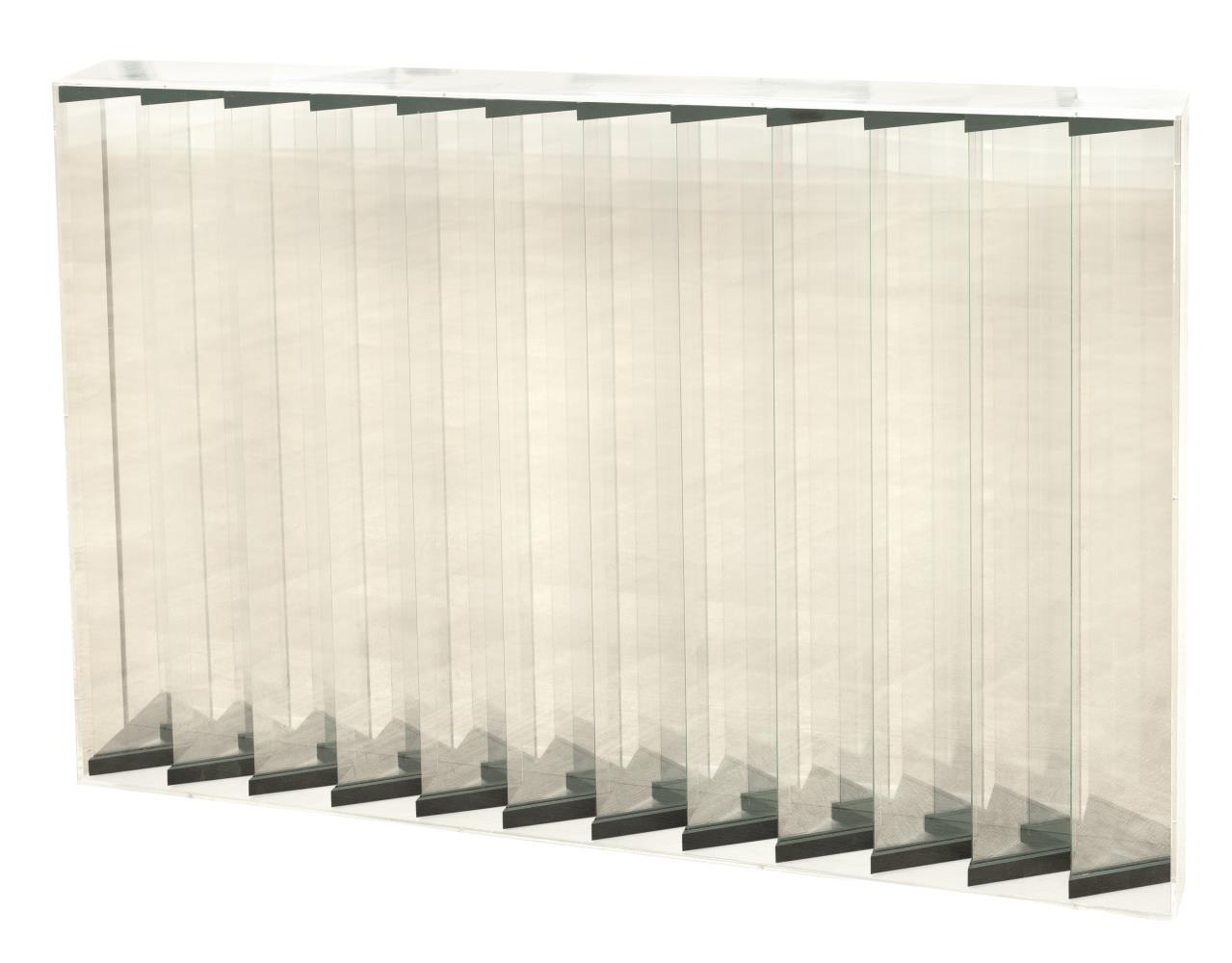
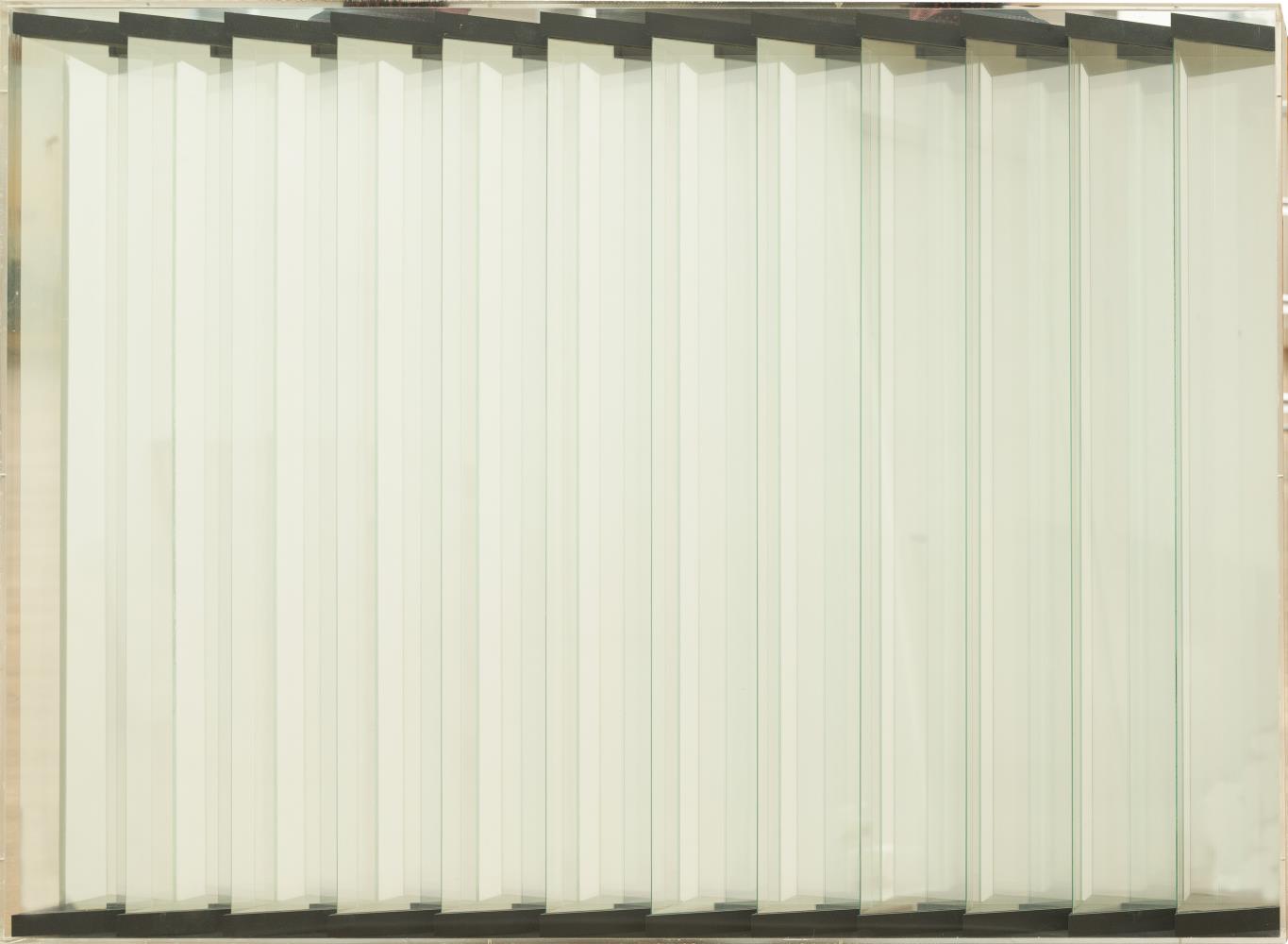
Mirror object
Artista
Adolf Luther
1912 - Krefeld - 1990
Provenienza
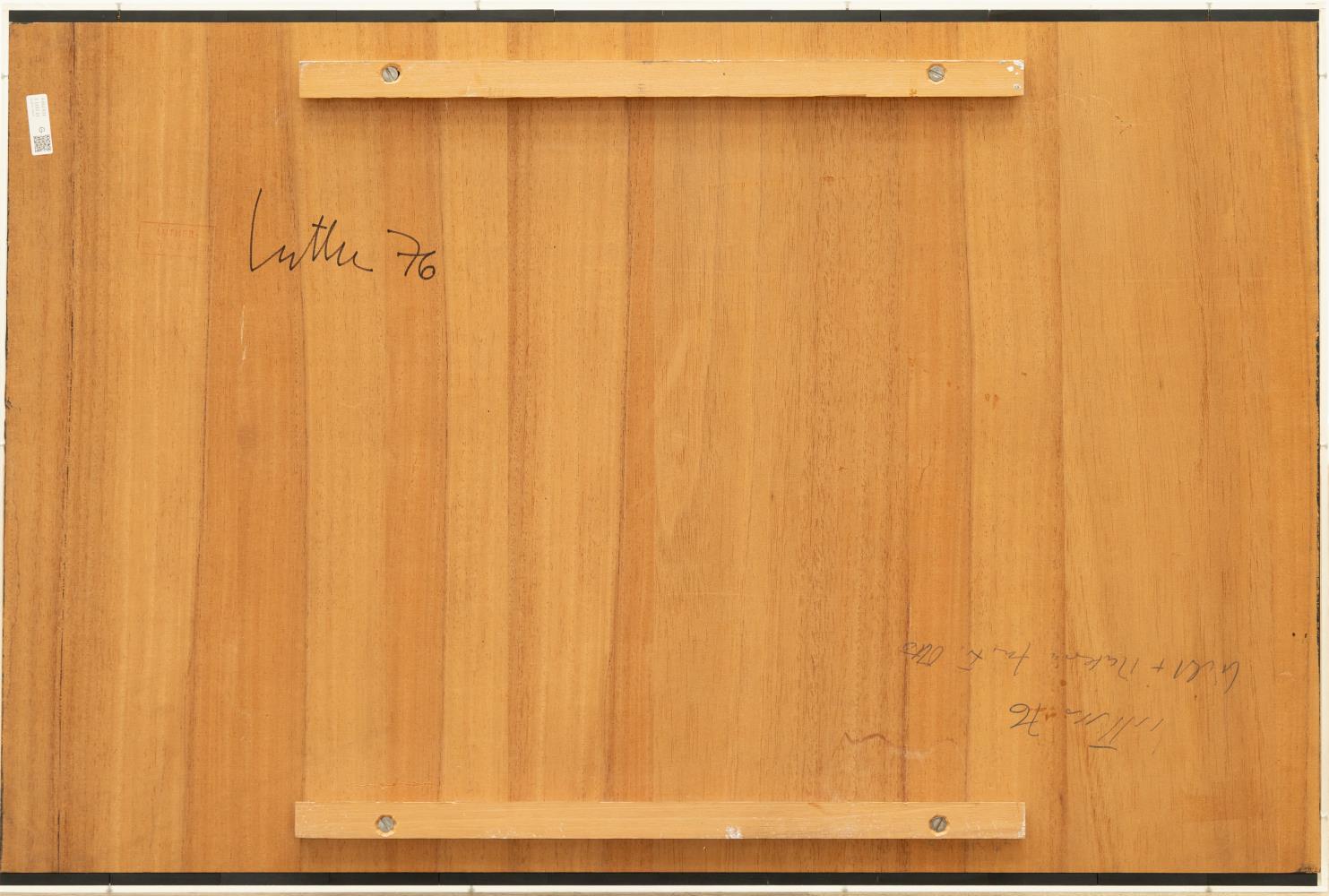
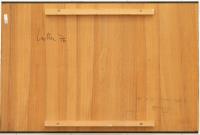
Private collection, with dedication on the reverse;
Private collection, North Rhine-Westphalia.
Private collection, North Rhine-Westphalia.
Share


Descrizione
• Luther’s mirror objects serve as a medium for radiation, refraction, reflection, movement and the expression of all immaterial phenomena of incident light
• He is one of the most important representatives of Kinetic Art and Op Art
• Works by Luther are held in major private and public collections, including the Museum Haus Konstruktiv, Zurich, the Museo de Arte Moderno Jesús Soto, Bolívar, the Städel Museum, Frankfurt am Main, and the Kunstpalast, Düsseldorf
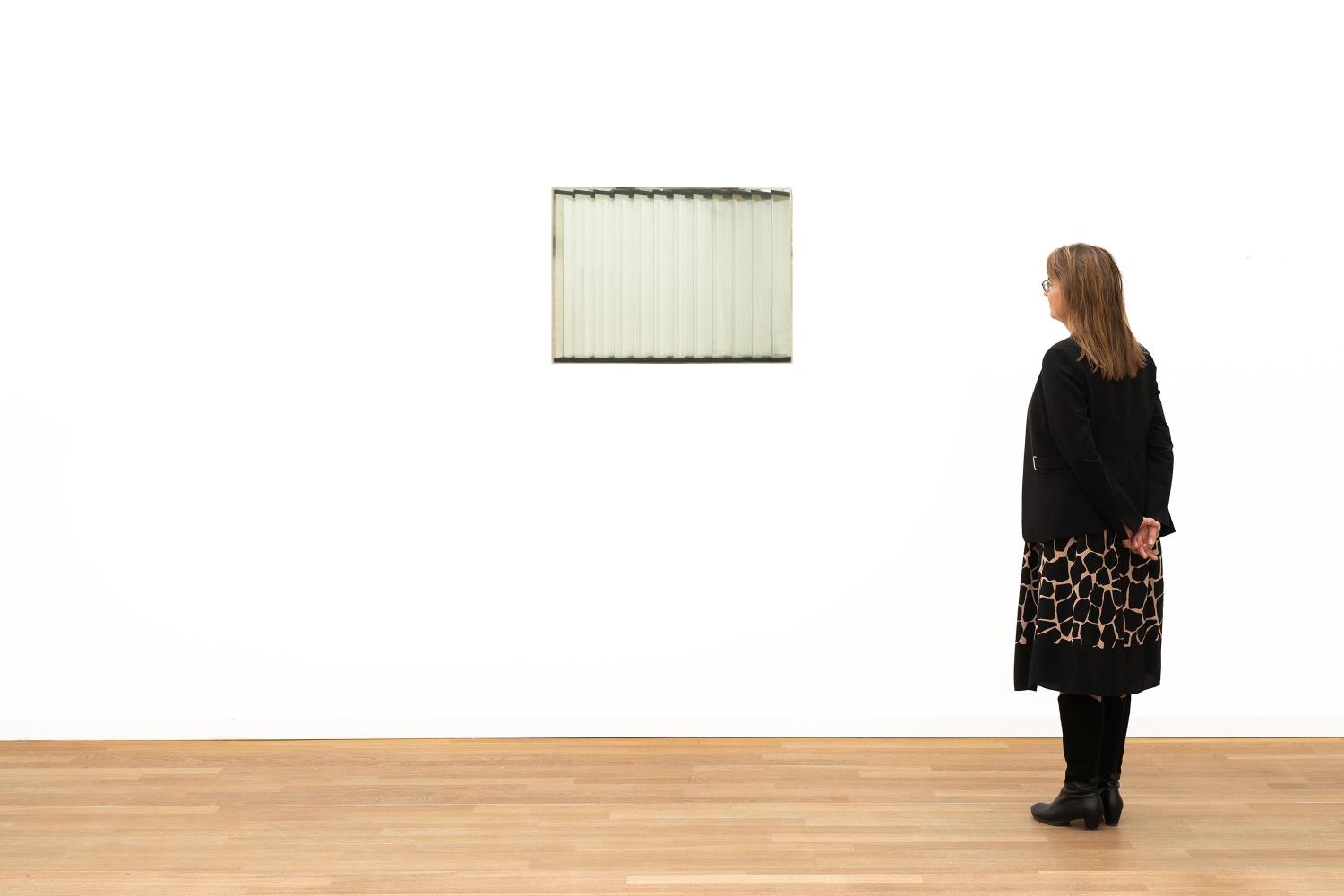
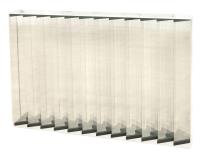
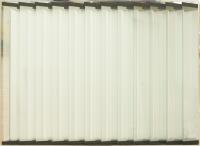
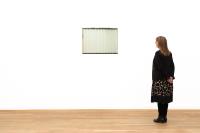
Adolf Luther’s mirror works from the 1970s are among the central groups of works in his oeuvre. The mirror object from 1976, consisting of 12 slats, is a copy of Luther’s artistic exploration of light, space and perception. Since the early 1960s, the artist has developed mirrors and glass objects as instruments for visualising immaterial light phenomena. The serially arranged mirror slats create a dynamic interplay of reflection, movement and spatial disorientation. The work changes continuously depending on the viewer’s position, the surroundings and the incidence of light, actively involving the viewer in the perception. In doing so, Luther dissolves the static concept of the artwork in favour of a process-oriented way of seeing. This approach is closely related to the ZERO movement as well as to international light and kinetic art. In contrast to an illusionistic representation of space, the ‘image’ here arises solely through real light reflections and mirroring. Architecture and the surroundings are always part of the work.
• He is one of the most important representatives of Kinetic Art and Op Art
• Works by Luther are held in major private and public collections, including the Museum Haus Konstruktiv, Zurich, the Museo de Arte Moderno Jesús Soto, Bolívar, the Städel Museum, Frankfurt am Main, and the Kunstpalast, Düsseldorf
Adolf Luther’s mirror works from the 1970s are among the central groups of works in his oeuvre. The mirror object from 1976, consisting of 12 slats, is a copy of Luther’s artistic exploration of light, space and perception. Since the early 1960s, the artist has developed mirrors and glass objects as instruments for visualising immaterial light phenomena. The serially arranged mirror slats create a dynamic interplay of reflection, movement and spatial disorientation. The work changes continuously depending on the viewer’s position, the surroundings and the incidence of light, actively involving the viewer in the perception. In doing so, Luther dissolves the static concept of the artwork in favour of a process-oriented way of seeing. This approach is closely related to the ZERO movement as well as to international light and kinetic art. In contrast to an illusionistic representation of space, the ‘image’ here arises solely through real light reflections and mirroring. Architecture and the surroundings are always part of the work.