Mimmo Rotella
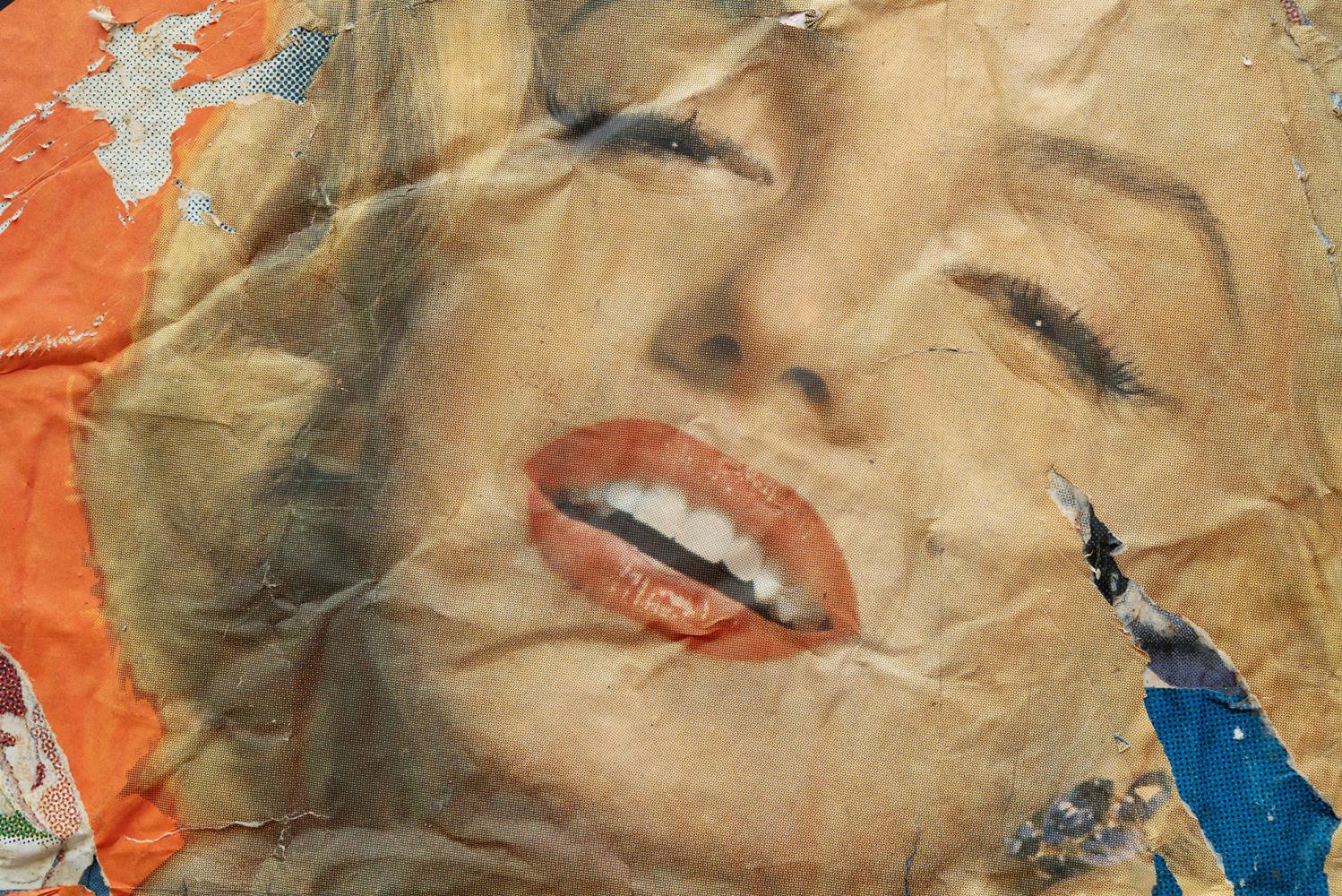
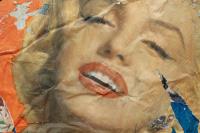
Marilyn
Artista
Mimmo Rotella
1918 Catanzaro - Mailand 2006
Ulteriori informazioni
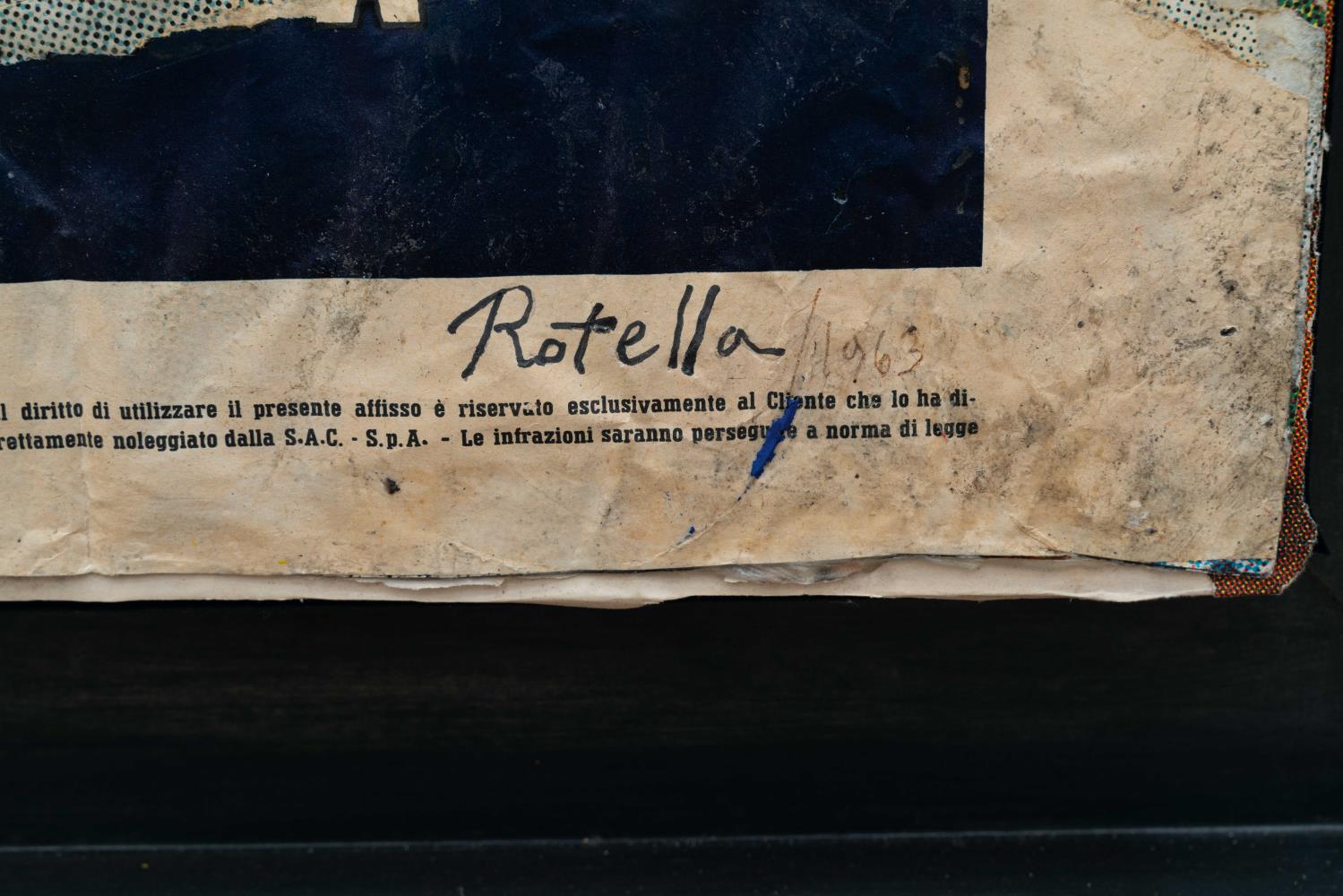
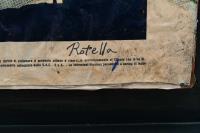
Unten rechts wohl von fremder Hand mit "1963" bezeichnet.
Nicht bei Celant.
Mit einer Echtheitsbestätigung vom Künstler, Mailand, vom 12.12.1996.
Mit einer Echtheitsbestätigung von Piero Mascitti, Archivio Mimmo Rotella, vom 27.3.2026.
Nicht bei Celant.
Mit einer Echtheitsbestätigung vom Künstler, Mailand, vom 12.12.1996.
Mit einer Echtheitsbestätigung von Piero Mascitti, Archivio Mimmo Rotella, vom 27.3.2026.
Mostra
Rotella. Spuren der Großstadt. Marilyn, Bengala & Co., Museum Ludwig, Köln 1994, farb. Abb. S. 49;
Rotella for Swatch. Mimmo Rotella, Köln 1994, S. 50;
Yves Klein. Der Sprung ins Leere. Pretiosen des Nouveau Réalisme, Stiftung Ahlers Pro Arte/Kestner Pro Arte, 2006 o. Kat.;
Nouveau Réalisme. Werke aus der Ahlers Collection, Kunsthalle, Krems 2010/011, o. Kat;
RUHESTÖRUNG. Streifzüge durch die Welten der Collage, Marta Herford und Kunstmuseum Ahlen, 2013/14, farb. Abb. S. 61;
Facing the Future. Art in Europe 1945-1968, BOZAR, Brüssel u.a. 2016, farb. Abb. S. 311;
Flashes of the Future. Die Kunst der 68er oder Die Macht der Ohnmächtigen, Ludwig Forum für Internationale Kunst, Aachen 2018, Kat.-Nr. 9, farb. Abb. S. 351;
#DepictingWomen – beauty, goddess, motherhood, bathing, soliciting, fulfilling, fragment, Stiftung Ahlers Pro Arte, Herford 2018, Kat.-Nr. 12, farb. Abb. S. 27.
Rotella for Swatch. Mimmo Rotella, Köln 1994, S. 50;
Yves Klein. Der Sprung ins Leere. Pretiosen des Nouveau Réalisme, Stiftung Ahlers Pro Arte/Kestner Pro Arte, 2006 o. Kat.;
Nouveau Réalisme. Werke aus der Ahlers Collection, Kunsthalle, Krems 2010/011, o. Kat;
RUHESTÖRUNG. Streifzüge durch die Welten der Collage, Marta Herford und Kunstmuseum Ahlen, 2013/14, farb. Abb. S. 61;
Facing the Future. Art in Europe 1945-1968, BOZAR, Brüssel u.a. 2016, farb. Abb. S. 311;
Flashes of the Future. Die Kunst der 68er oder Die Macht der Ohnmächtigen, Ludwig Forum für Internationale Kunst, Aachen 2018, Kat.-Nr. 9, farb. Abb. S. 351;
#DepictingWomen – beauty, goddess, motherhood, bathing, soliciting, fulfilling, fragment, Stiftung Ahlers Pro Arte, Herford 2018, Kat.-Nr. 12, farb. Abb. S. 27.
Provenienza
Galerie Michael, Darmstadt;
Galerie Reckermann, Cologne;
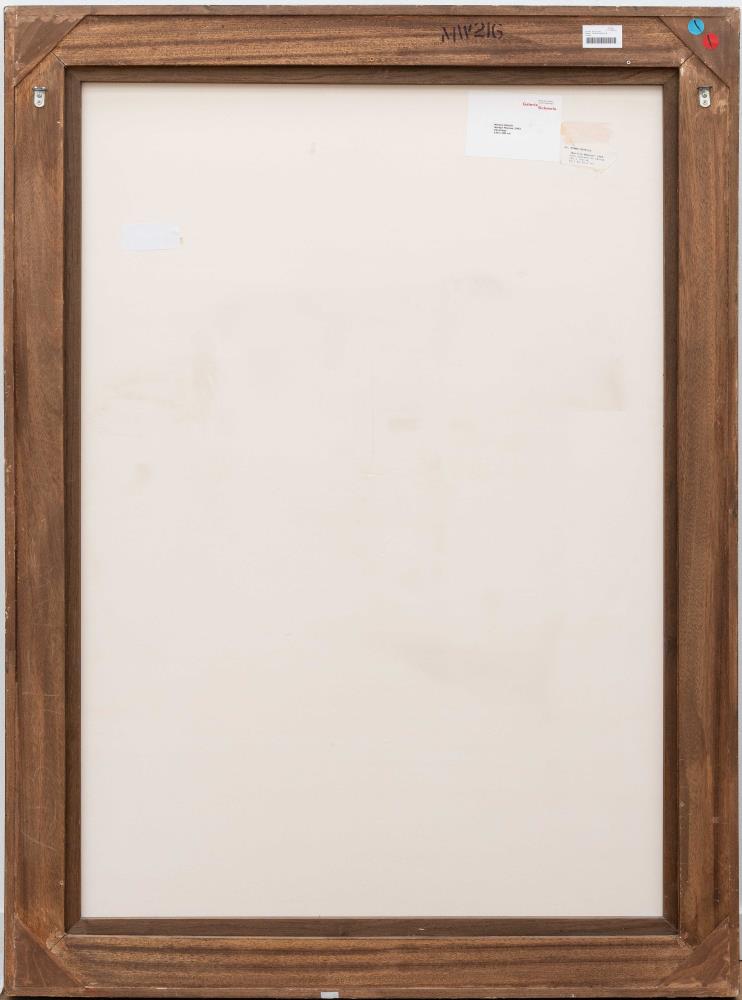
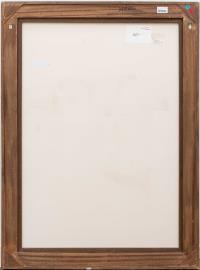
Galerie Schmela, Düsseldorf, with label on the reverse of the frame;
Private collection, Germany, acquired from the aforementioned in 2003.
Galerie Reckermann, Cologne;
Galerie Schmela, Düsseldorf, with label on the reverse of the frame;
Private collection, Germany, acquired from the aforementioned in 2003.
Share


Descrizione
• One of the artist’s most sought-after motifs
• Rotella is the undisputed master of décollage
• Works by the artist are held, amongst others, at the Museum of Modern Art in New York, the Centre Georges Pompidou in Paris and the Galleria Nazionale d'Arte Moderna e Contemporanea in Rome
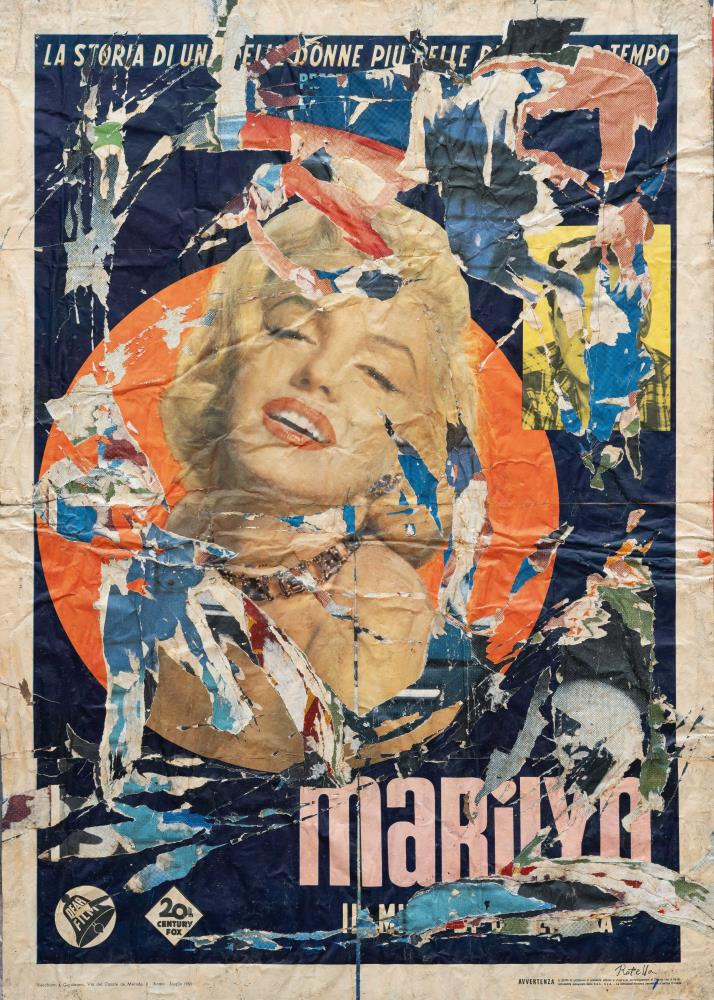
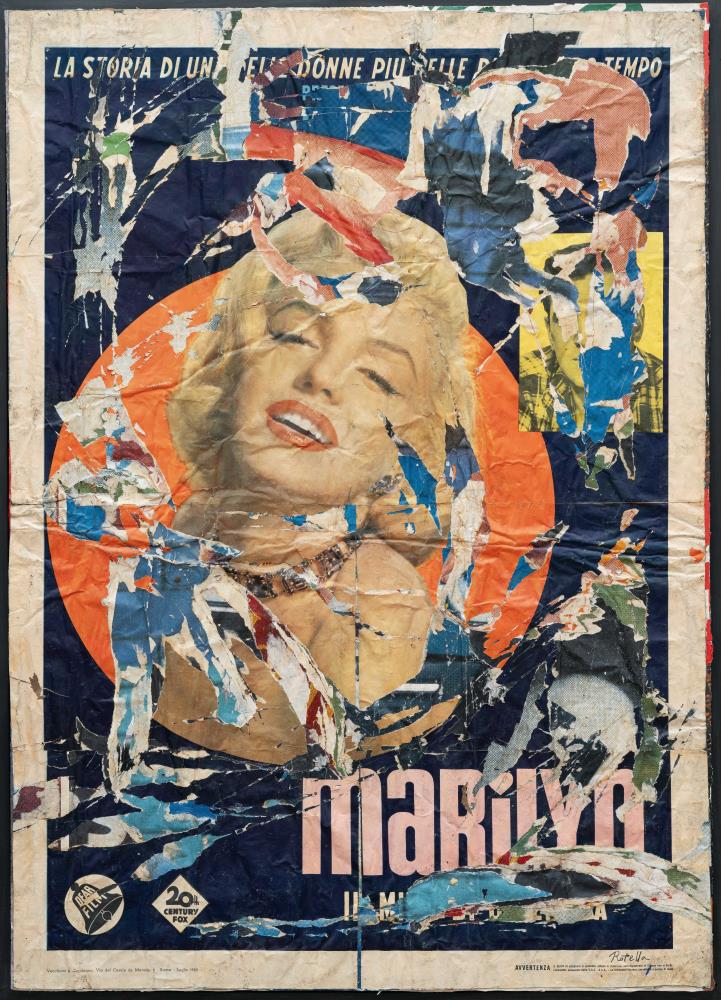
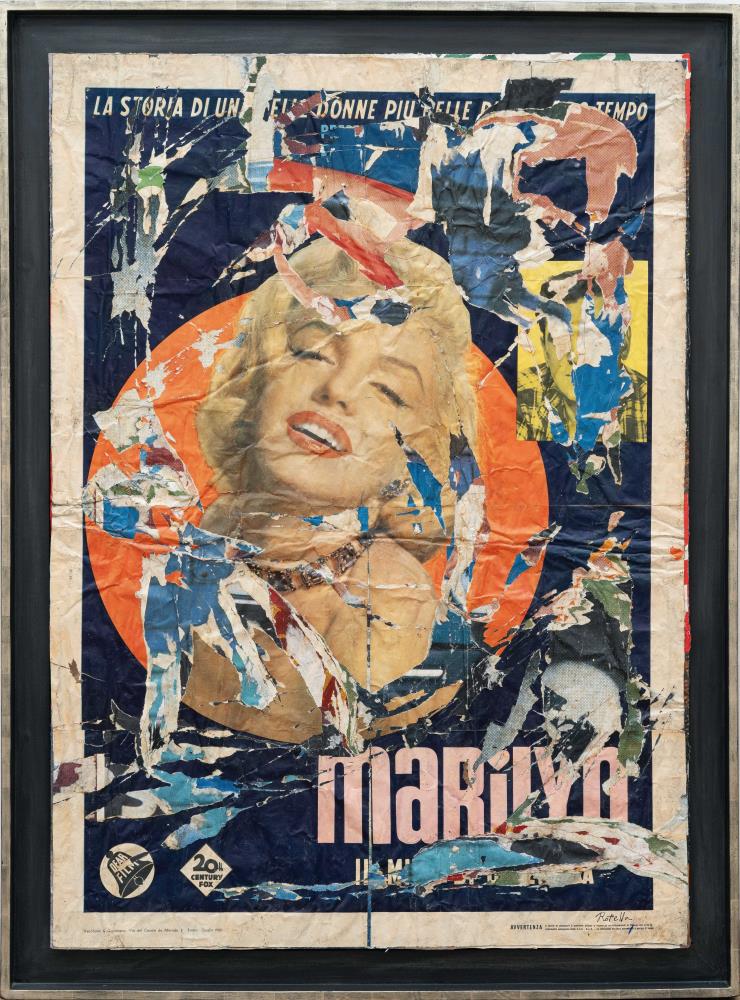
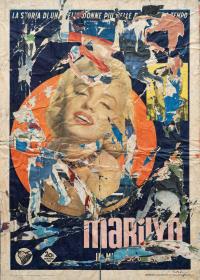
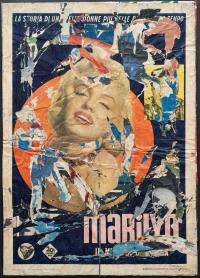
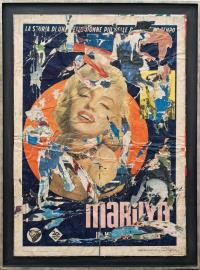
Marilyn Monroe, the epitome of Hollywood glamour, defined an entire era. In the 1960s, there was
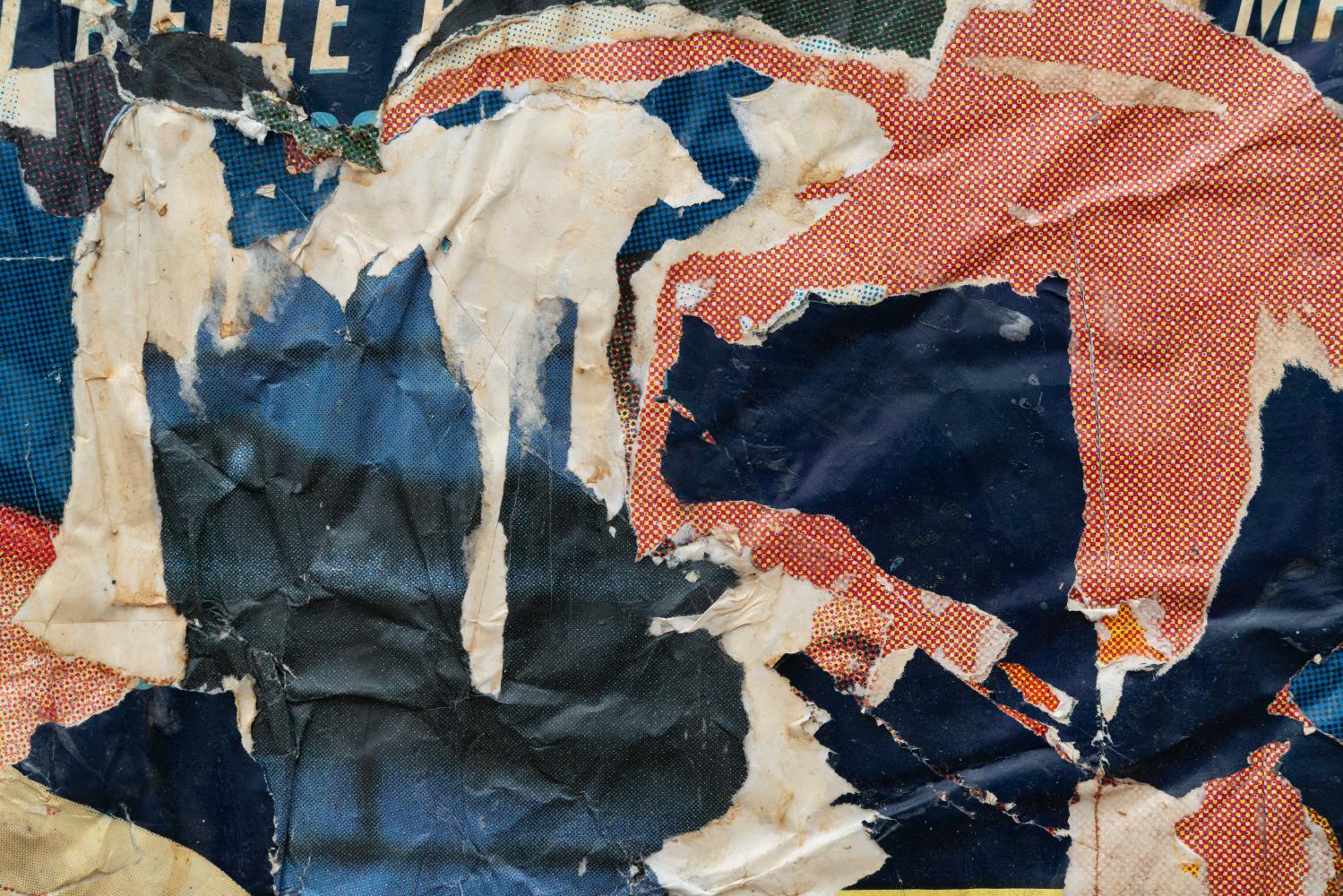
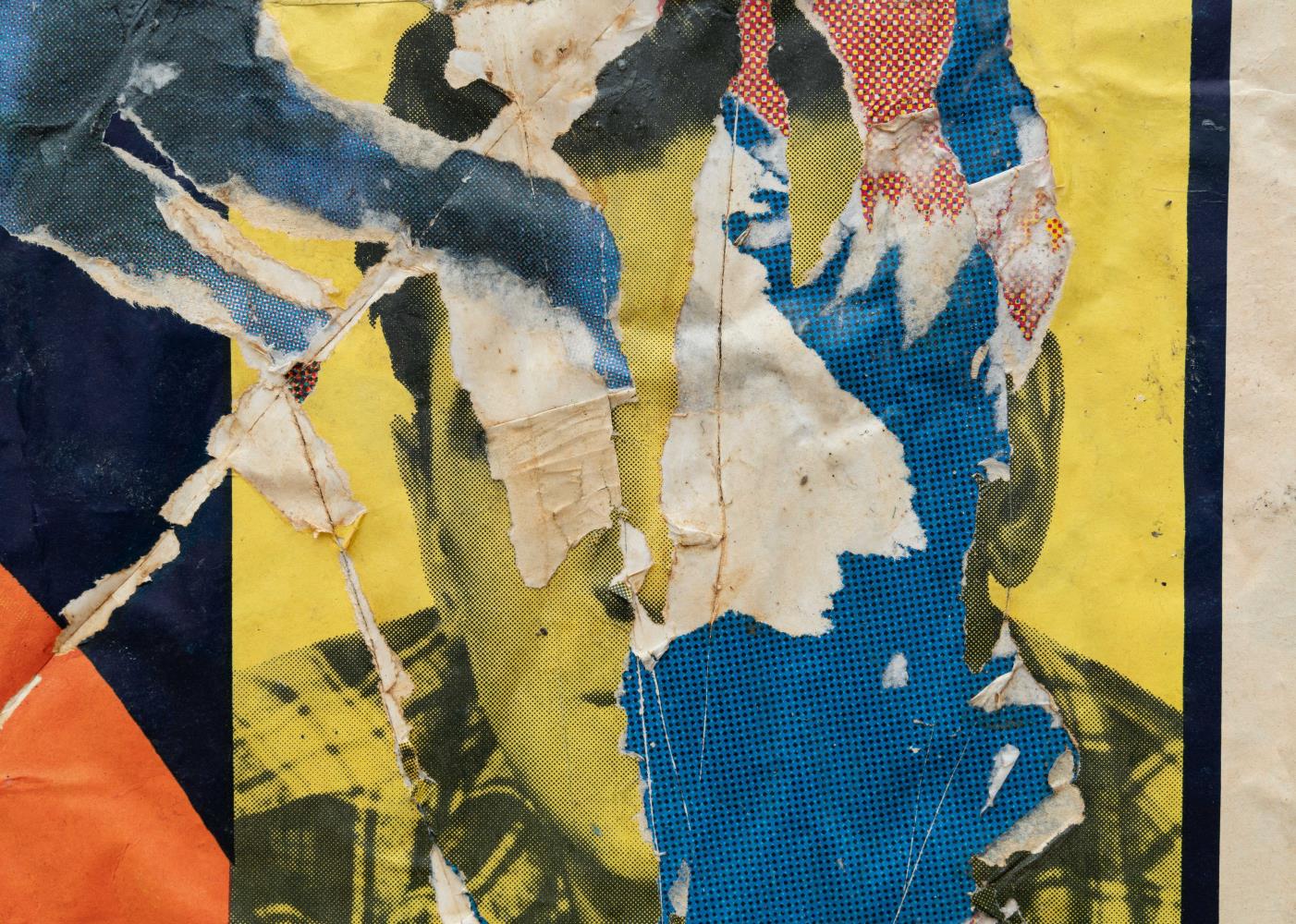
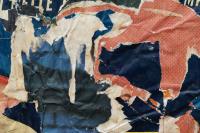
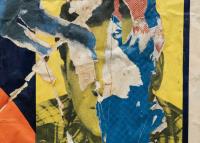
no face in the film industry more prominent than hers. For Mimmo, whose real name is Domenico Rotella, her poster face became a central motif during this period, one that he revisited time and again over the decades. As early as the 1950s, the Italian artist began experimenting in his ‘manifesti lacerati’ with the unique expressiveness and aesthetics of a damaged surface composed of found fragments. The posters, which hang in thick layers on advertising columns in both Milan and Paris, are collected by the artist and then reduced layer by layer until something convincingly new emerges from what appears to be an act of destruction. In his work with found materials, Rotella follows in the tradition of Cubism, the material paintings and collages of Kurt Schwitters, and the Parisian affichistes, who had been creating art from posters since the 1940s. It was Mimmo Rotella, however, who succeeded in granting décollage its own autonomous status, elevating it to an art form in its own right and imbuing it with the gestural power that defines his works today.
• Rotella is the undisputed master of décollage
• Works by the artist are held, amongst others, at the Museum of Modern Art in New York, the Centre Georges Pompidou in Paris and the Galleria Nazionale d'Arte Moderna e Contemporanea in Rome
Marilyn Monroe, the epitome of Hollywood glamour, defined an entire era. In the 1960s, there was
no face in the film industry more prominent than hers. For Mimmo, whose real name is Domenico Rotella, her poster face became a central motif during this period, one that he revisited time and again over the decades. As early as the 1950s, the Italian artist began experimenting in his ‘manifesti lacerati’ with the unique expressiveness and aesthetics of a damaged surface composed of found fragments. The posters, which hang in thick layers on advertising columns in both Milan and Paris, are collected by the artist and then reduced layer by layer until something convincingly new emerges from what appears to be an act of destruction. In his work with found materials, Rotella follows in the tradition of Cubism, the material paintings and collages of Kurt Schwitters, and the Parisian affichistes, who had been creating art from posters since the 1940s. It was Mimmo Rotella, however, who succeeded in granting décollage its own autonomous status, elevating it to an art form in its own right and imbuing it with the gestural power that defines his works today.