Max Beckmann
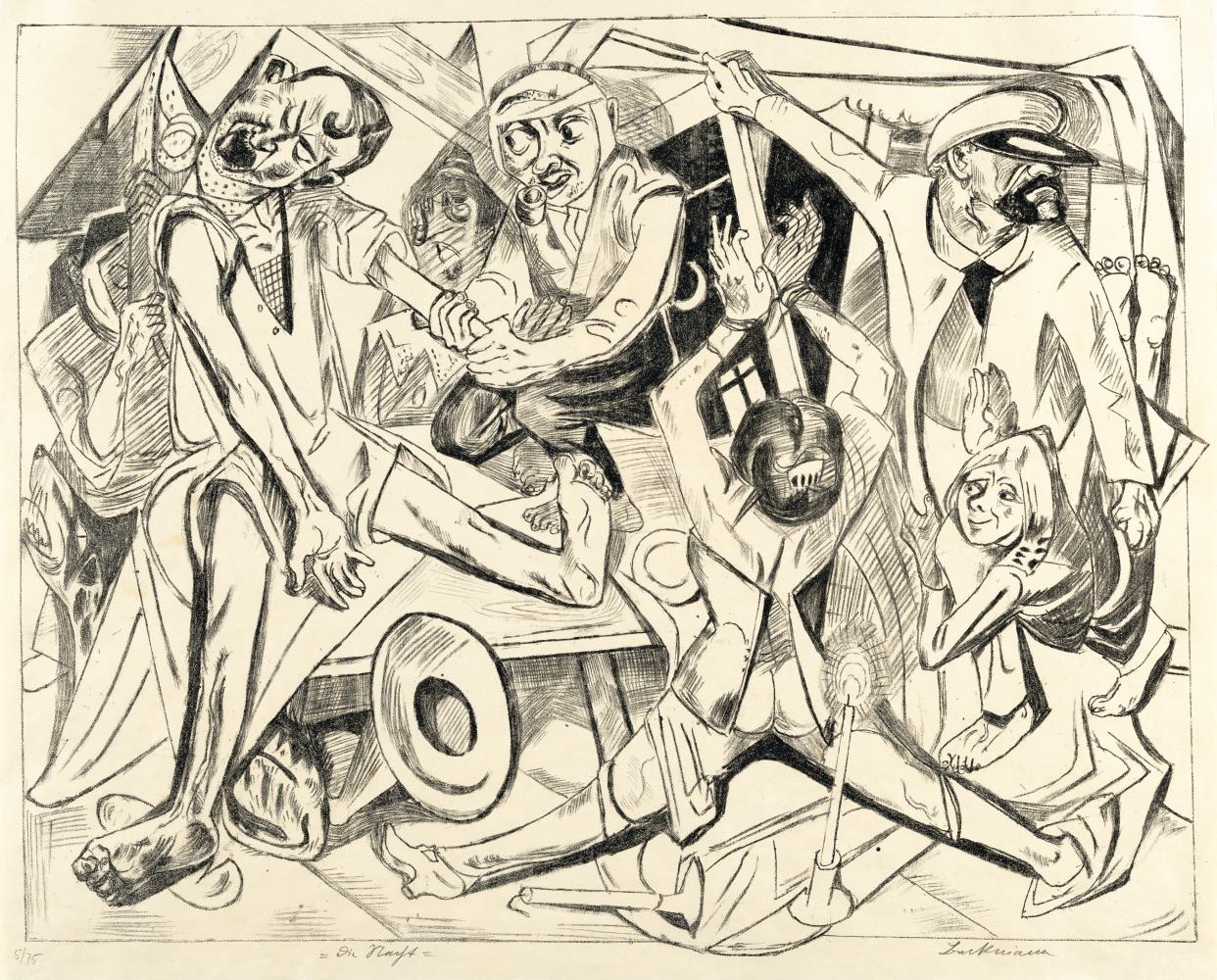
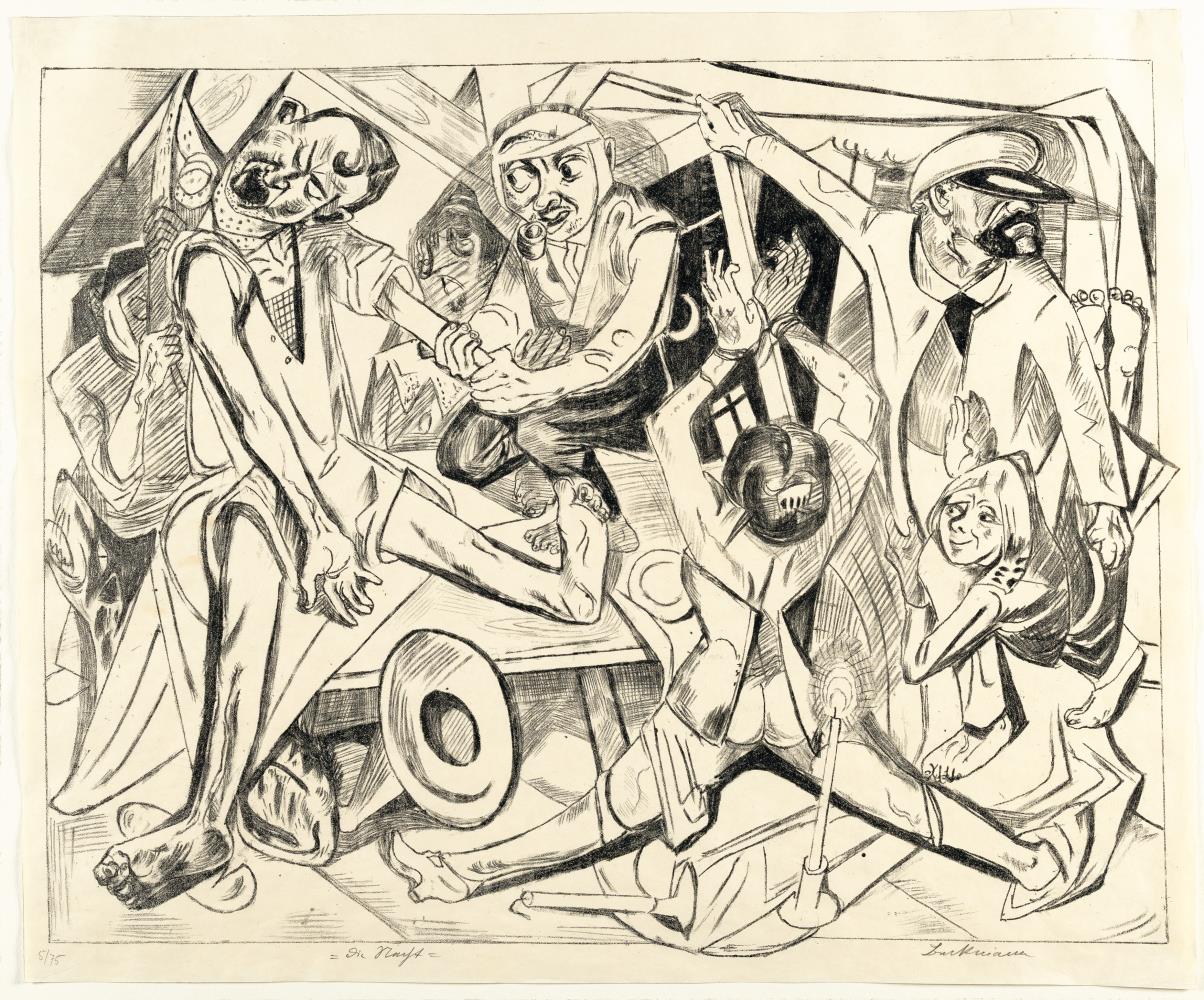
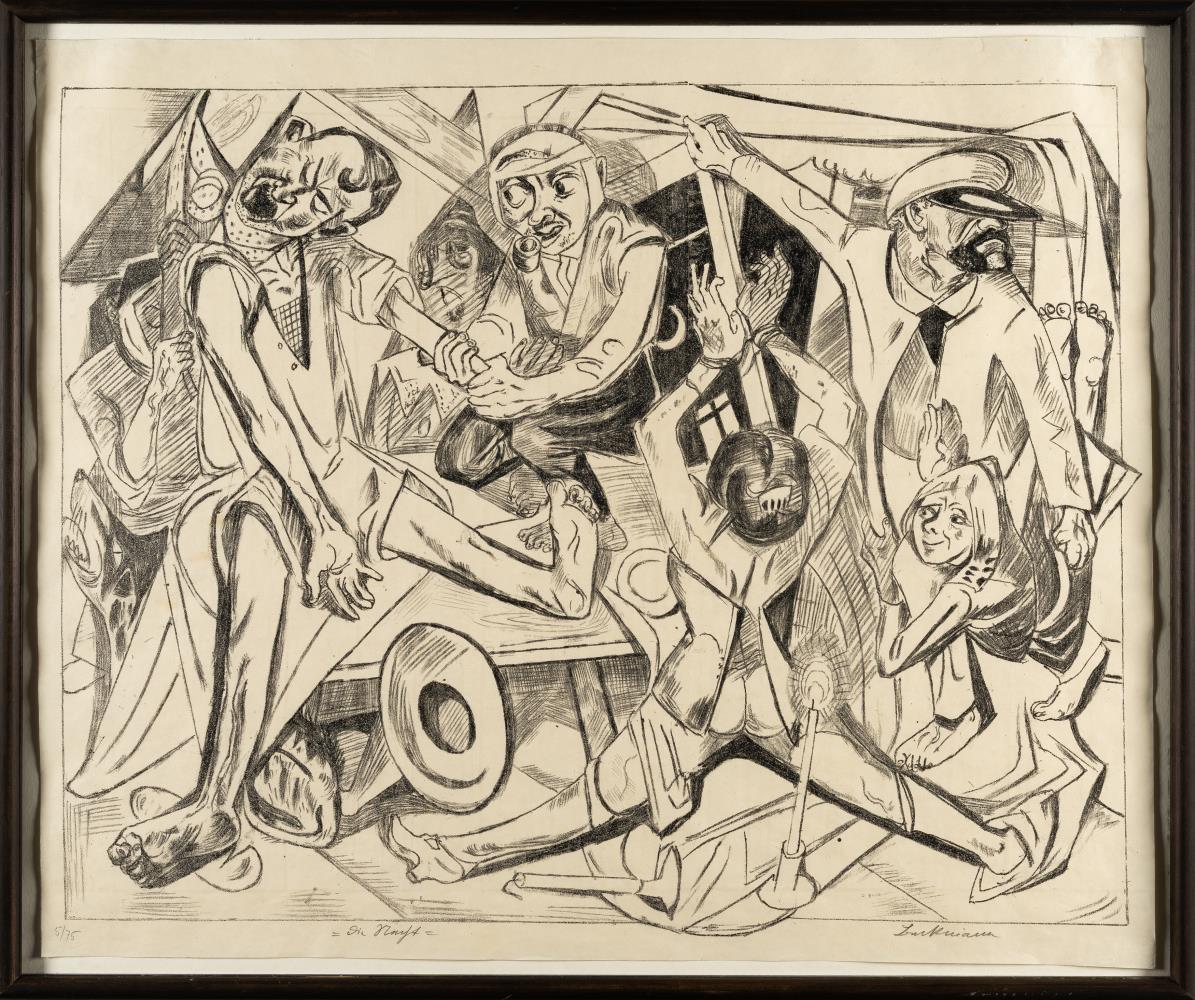
"Die Nacht" (The Night)
Artista
Max Beckmann
1884 Leipzig - New York 1950
Ulteriori informazioni
Blatt 7 aus der insgesamt 11 Blatt umfassenden Mappe "Die Hölle", herausgegeben von I. B. Neumann, Berlin.
Hofmaier 145 B (von B).
Hofmaier 145 B (von B).
Mostra
Schwarz auf Weiß. Druck-Graphik im Wandel der Zeit von Rembrandt bis Dieter Roth, Stiftung Ahlers Pro Arte/Kestner Pro Arte, Hannover 2013/14, Kat.-Nr. 29, farb. Abb. S. 36.
Provenienza
Isselbacher Gallery, New York;
Private collection, Northern Germany, acquired from the aforementioned in 1989.
Private collection, Northern Germany, acquired from the aforementioned in 1989.
Share


Descrizione
• Print accompanying the painting of the same name from the same year
• Beckmann intertwines his personal situation with political events
• From the well-known series ‘Hell’
What is hell?
Max Beckmann is familiar with Schopenhauer’s text, reads it time and again … and experiences it first-hand.
When he painted his work "Die Nacht" in 1918/19 and published the accompanying print series "Die Hölle", the First World War had just ended. An armistice was signed at Compiègne; the battles of attrition and the nightmares come true in the trenches were over. Today, over 100 years later, that sounds like a cause for celebration. Yet the reality is quite different: in the German Empire, the situation escalates until the November Revolution of 1919, with inflation and hardship, war-wounded and destitute people, and major cities resembling civil war zones, where the law of the jungle prevails. The cathartic effect of war, hoped for by many intellectuals—such as Nietzsche and, indeed, Beckmann, who was influenced by him—gives way to the realisation that in war there are only losers.
In this climate, Max Beckmann created ‘Die Hölle’ (Hell), a series of prints that links his personal experience with the social situation. The images are rich in iconographic depth, their content and visual elements intertwined. Beckmann constructs expressionist, almost cubist spaces, narrowing them to the point of claustrophobia, pressing in, pulling the viewer forward.
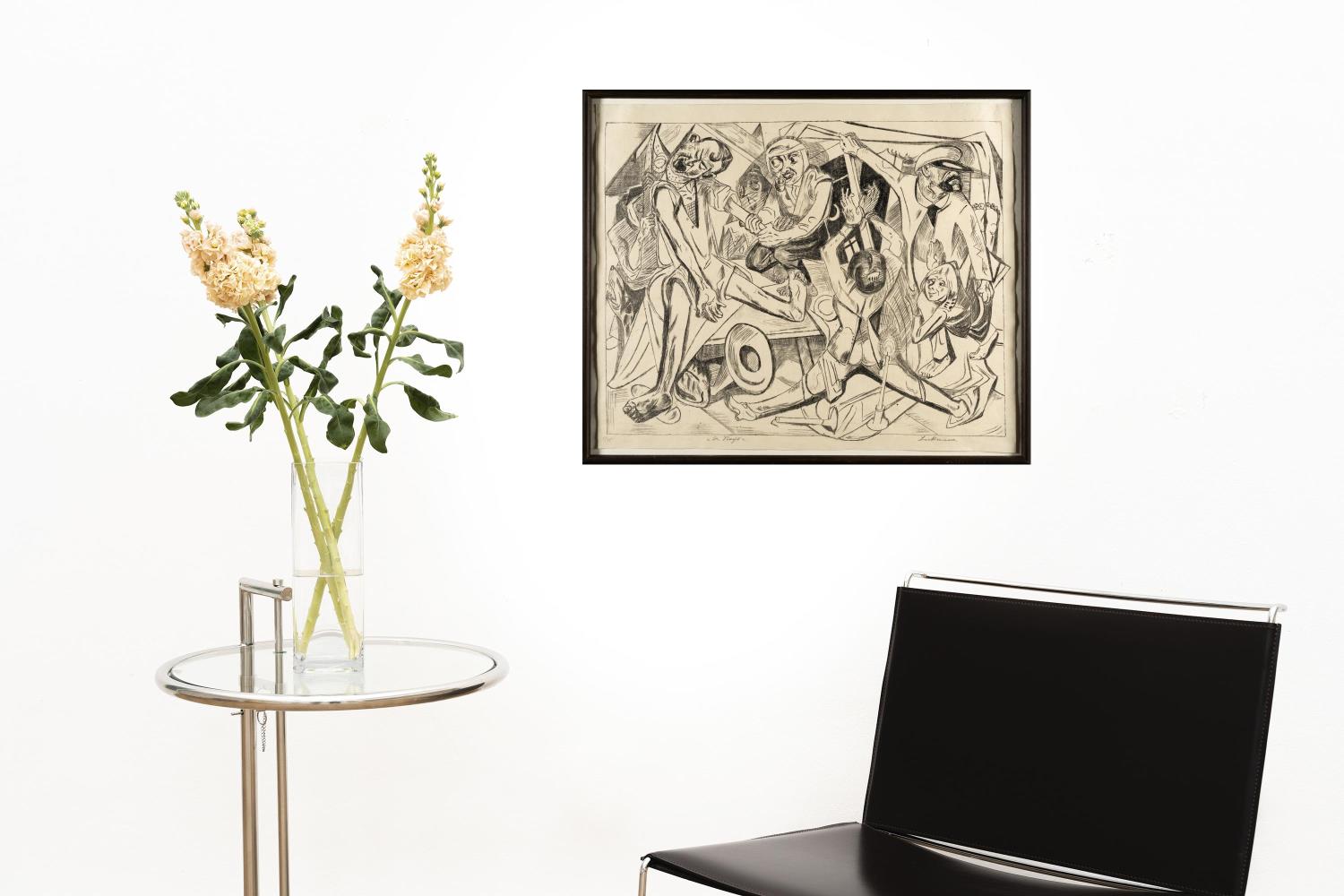
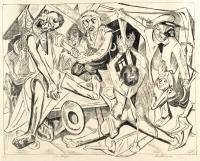
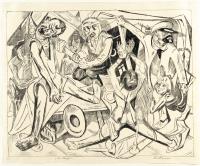
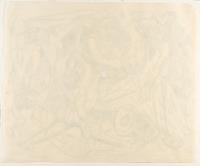
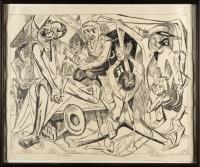
In "Die Nacht" (The Night), we witness a scene of extreme violence. We cannot look away, as the artist throws the events right at our feet and forces us to become voyeurs: in a flat, the inhabitants are being brutally tortured. A married couple, a child and an elderly lady become playthings for the sadistic outbursts of a group of burglars who torture, rape, abduct and ultimately murder them.
Beckmann masterfully links the crumbling marriage and the resulting family difficulties – the victims bear the facial features of Max, Minna and Peter Beckmann – with political statements. Not only does he allude in the scene to the dire situation in the Reich, he also identifies the culprits: thus the figures of the criminals and the elderly lady stand in for the Wilhelmine and reactionary bourgeoisie, for the war invalids and the Spartacists (with the face of Lenin).
• Beckmann intertwines his personal situation with political events
• From the well-known series ‘Hell’
What is hell?
Max Beckmann is familiar with Schopenhauer’s text, reads it time and again … and experiences it first-hand.
When he painted his work "Die Nacht" in 1918/19 and published the accompanying print series "Die Hölle", the First World War had just ended. An armistice was signed at Compiègne; the battles of attrition and the nightmares come true in the trenches were over. Today, over 100 years later, that sounds like a cause for celebration. Yet the reality is quite different: in the German Empire, the situation escalates until the November Revolution of 1919, with inflation and hardship, war-wounded and destitute people, and major cities resembling civil war zones, where the law of the jungle prevails. The cathartic effect of war, hoped for by many intellectuals—such as Nietzsche and, indeed, Beckmann, who was influenced by him—gives way to the realisation that in war there are only losers.
In this climate, Max Beckmann created ‘Die Hölle’ (Hell), a series of prints that links his personal experience with the social situation. The images are rich in iconographic depth, their content and visual elements intertwined. Beckmann constructs expressionist, almost cubist spaces, narrowing them to the point of claustrophobia, pressing in, pulling the viewer forward.
In "Die Nacht" (The Night), we witness a scene of extreme violence. We cannot look away, as the artist throws the events right at our feet and forces us to become voyeurs: in a flat, the inhabitants are being brutally tortured. A married couple, a child and an elderly lady become playthings for the sadistic outbursts of a group of burglars who torture, rape, abduct and ultimately murder them.
Beckmann masterfully links the crumbling marriage and the resulting family difficulties – the victims bear the facial features of Max, Minna and Peter Beckmann – with political statements. Not only does he allude in the scene to the dire situation in the Reich, he also identifies the culprits: thus the figures of the criminals and the elderly lady stand in for the Wilhelmine and reactionary bourgeoisie, for the war invalids and the Spartacists (with the face of Lenin).