Jan Harmensz. van Bijlert (zugeschrieben)
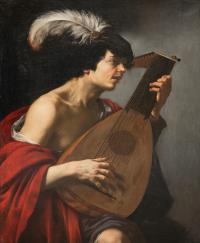
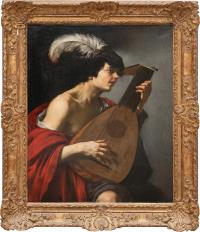
The Lute Player

Artista
Jan Harmensz. van Bijlert (zugeschrieben)
1598 – Utrecht – 1671
Ulteriori informazioni
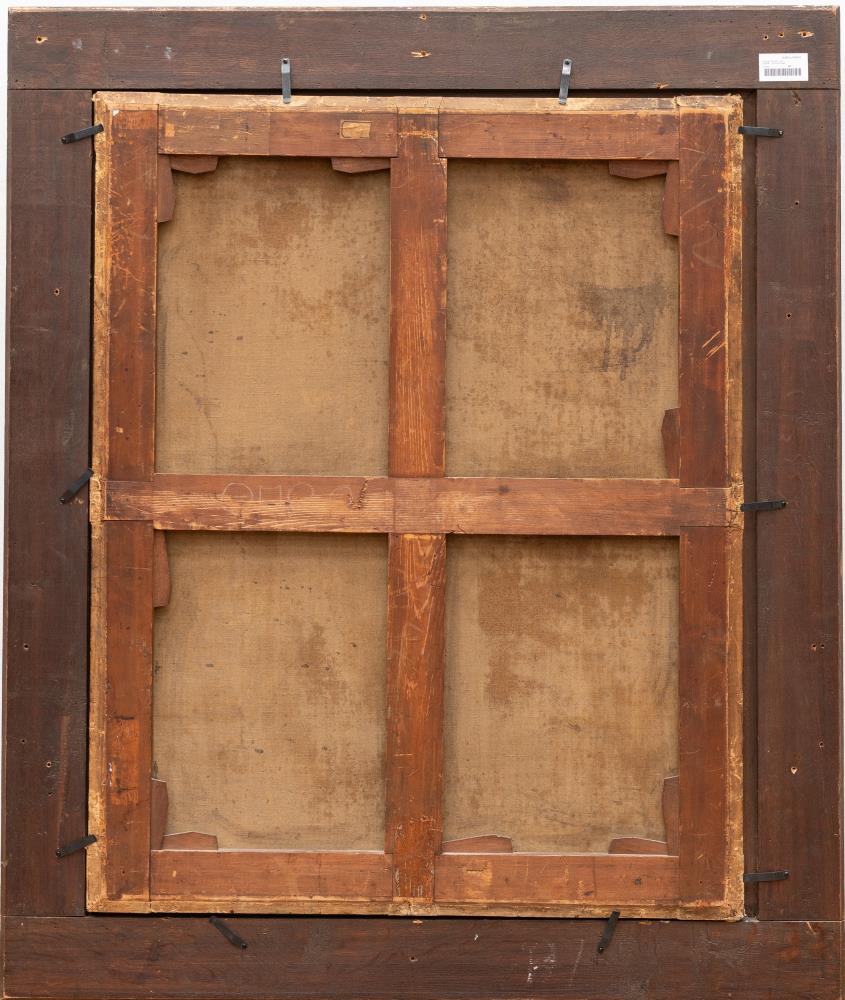
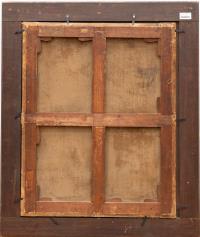
Verso unleserlich bezeichnete Etikettreste.
Provenienza
International private collection.
Share


Descrizione
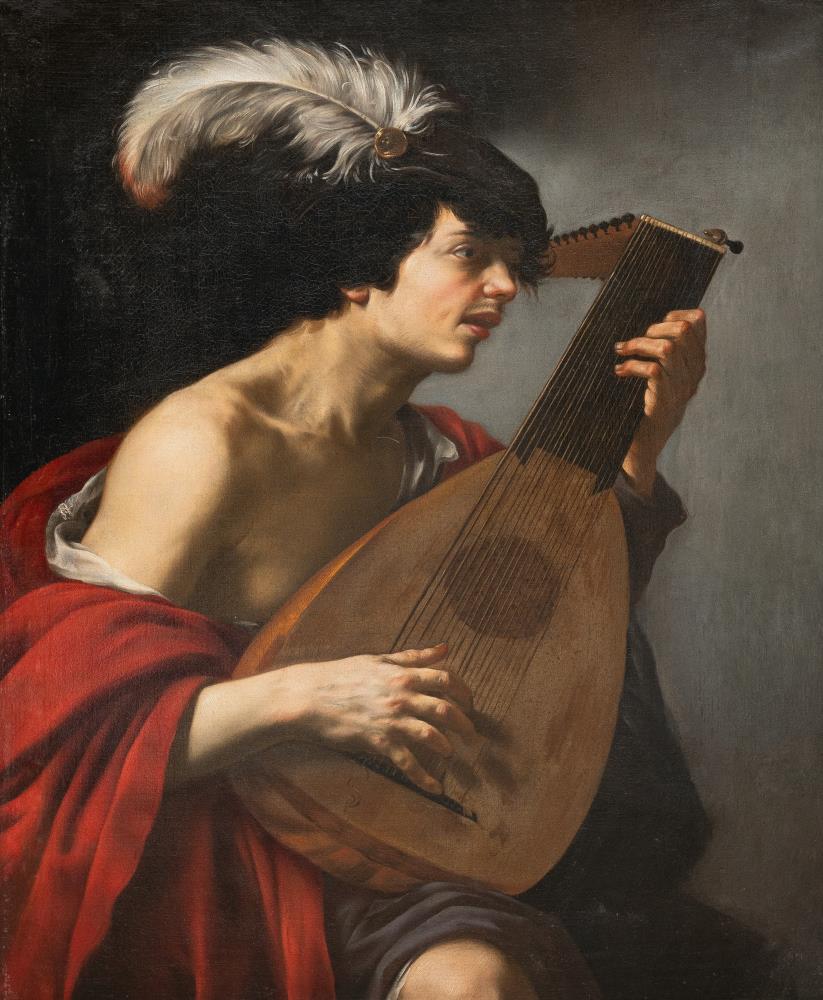
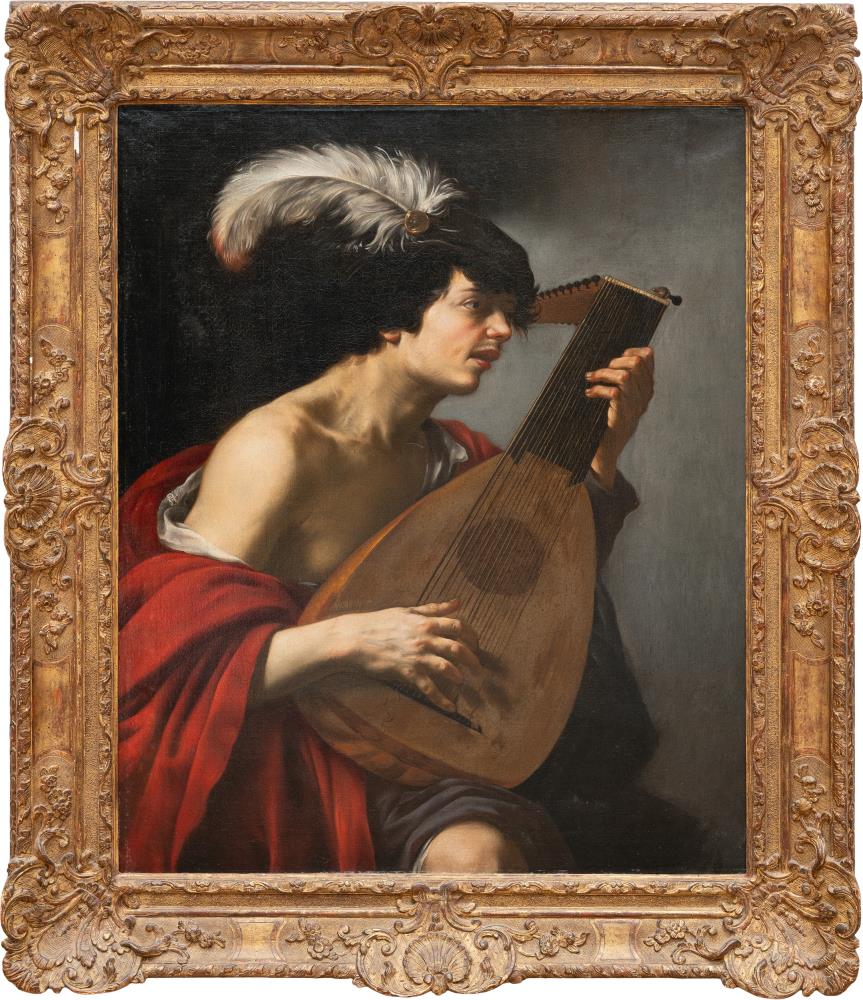
During the European Renaissance, the lute was regarded as the most distinguished and, at the same time, the most popular stringed instrument – often referred to as the ‘queen of instruments’. Its origins date back to the 2nd millennium BC, where early forms can be traced in the ancient Near East. Through the cultural exchanges of the Crusades, the instrument found its way to Europe, where it was rapidly developed further and adapted to the musical needs of the time. By 1500, the lute had firmly established itself in musical life and shaped both courtly and bourgeois musical culture across generations. Our painting depicts a young lute player who appears as much the embodiment of contemporary elegance as he does a musician. His appearance is characterised by fashionable refinement: the wide-brimmed hat with a reddish-shimmering ostrich feather still sits carefully upon his head, whilst his opulent clothing is already falling into a suggestive disarray. His bare upper body is covered only by the body of the lute, whilst red and white swathes of fabric cascade down in picturesque folds. The artist is less interested in an individual portrait or a precise depiction of the instrument than in evoking an attitude: here, the lute functions as an attribute of youthful joie de vivre, a sign of fashion-consciousness and cultivated sensuality. In the interplay of music, the body and the materiality of the fabric, an image unfolds that powerfully encapsulates the fleeting elegance and hedonistic self-image of its time.