Robert Rauschenberg
Suite 1 (America Mix-16)
Artist
Robert Rauschenberg
Provenance
Iris Editions, New York;
Privatsammlung, München, 1991 beim Vorgenanntem auf Vermittlung des Künstlers erworben.
Privatsammlung, München, 1991 beim Vorgenanntem auf Vermittlung des Künstlers erworben.
Share


Description
Published by Iris Editions, New York.
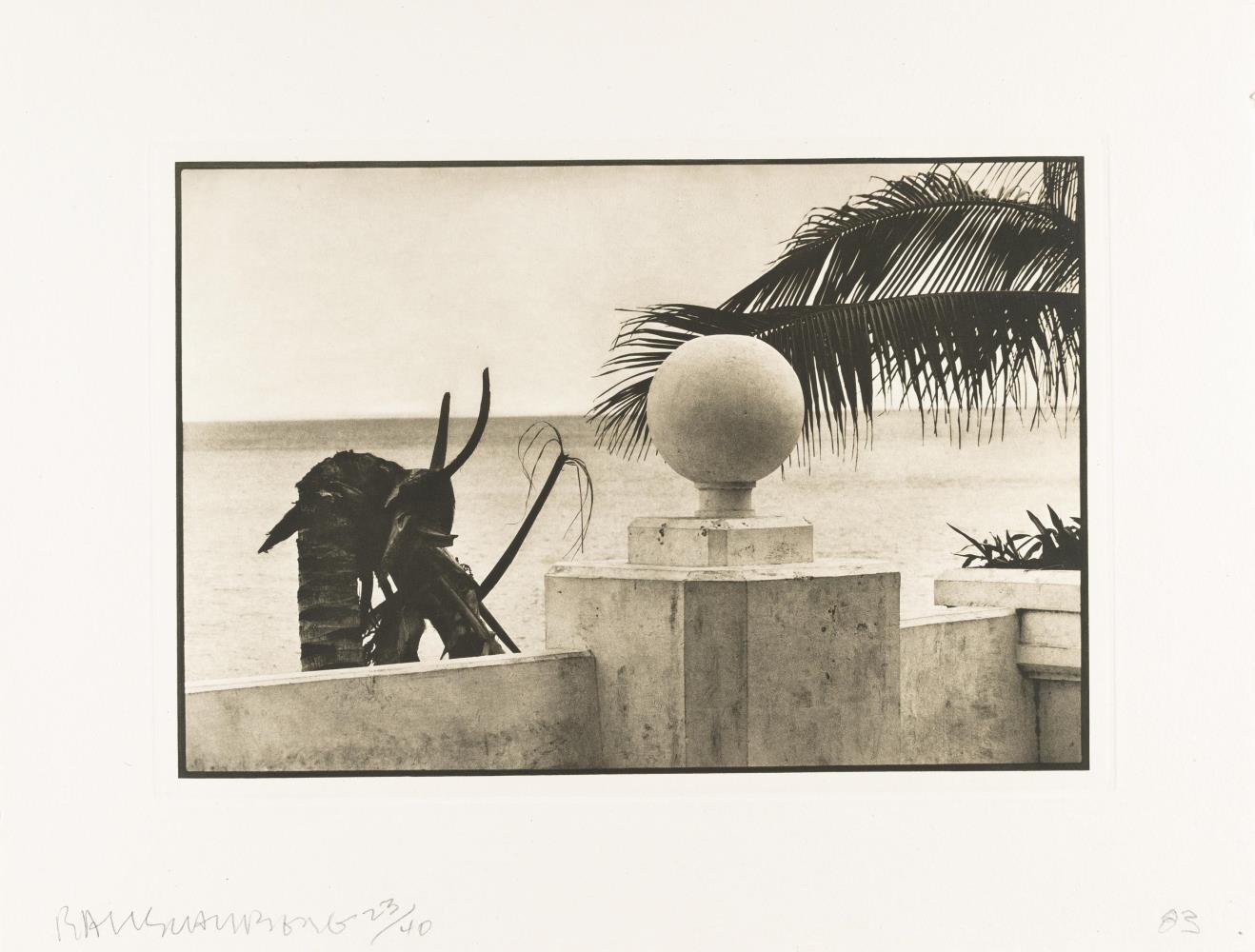
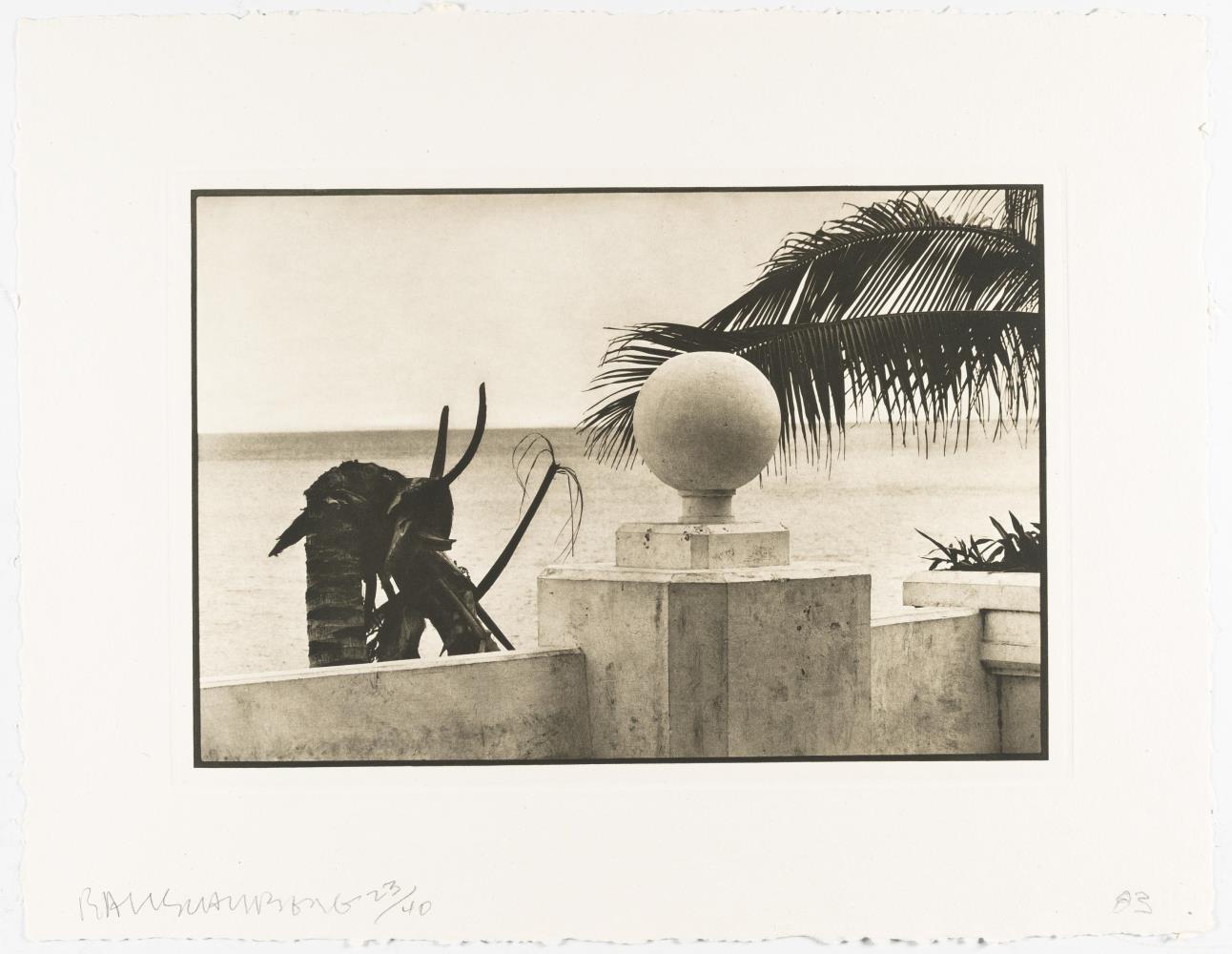
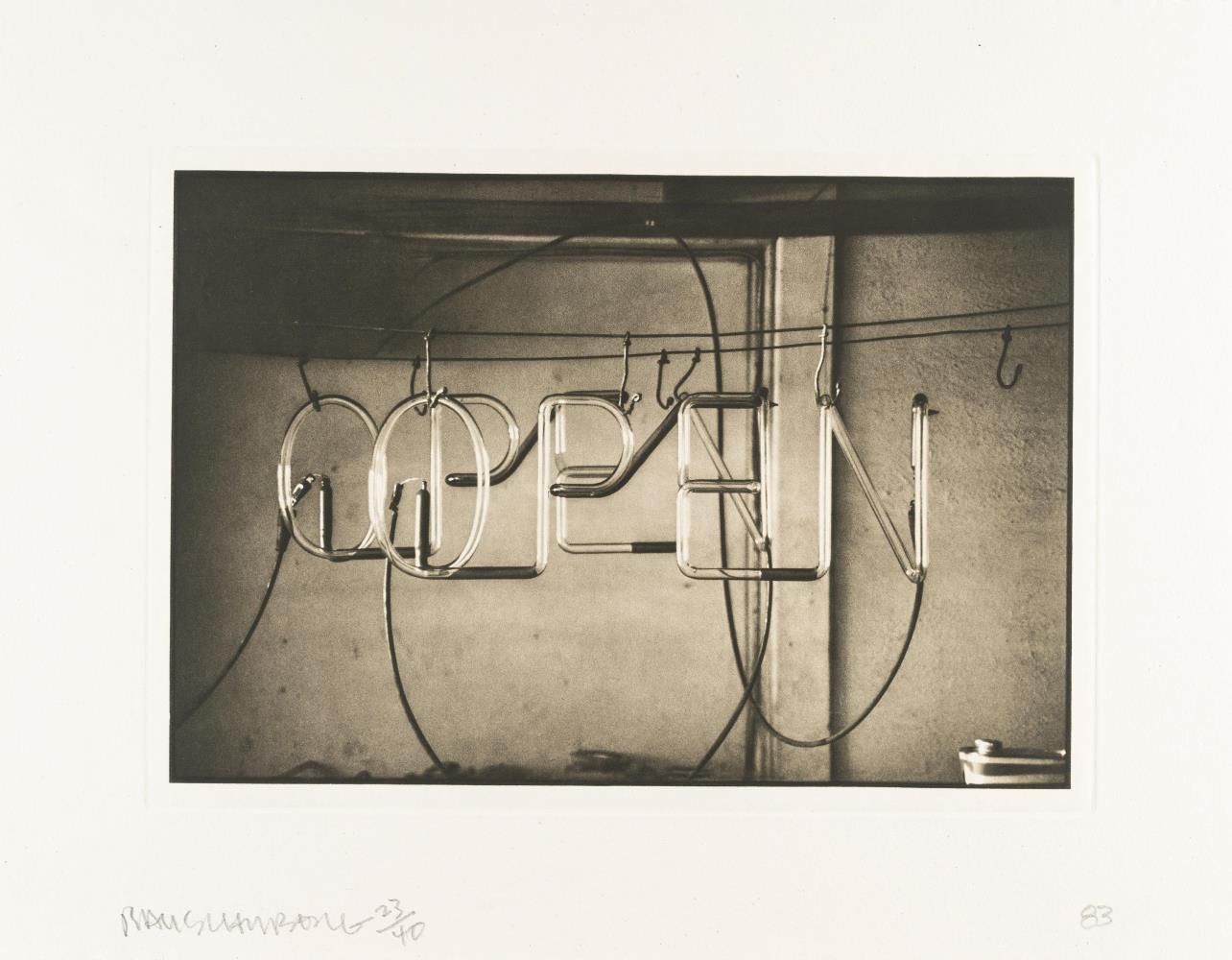
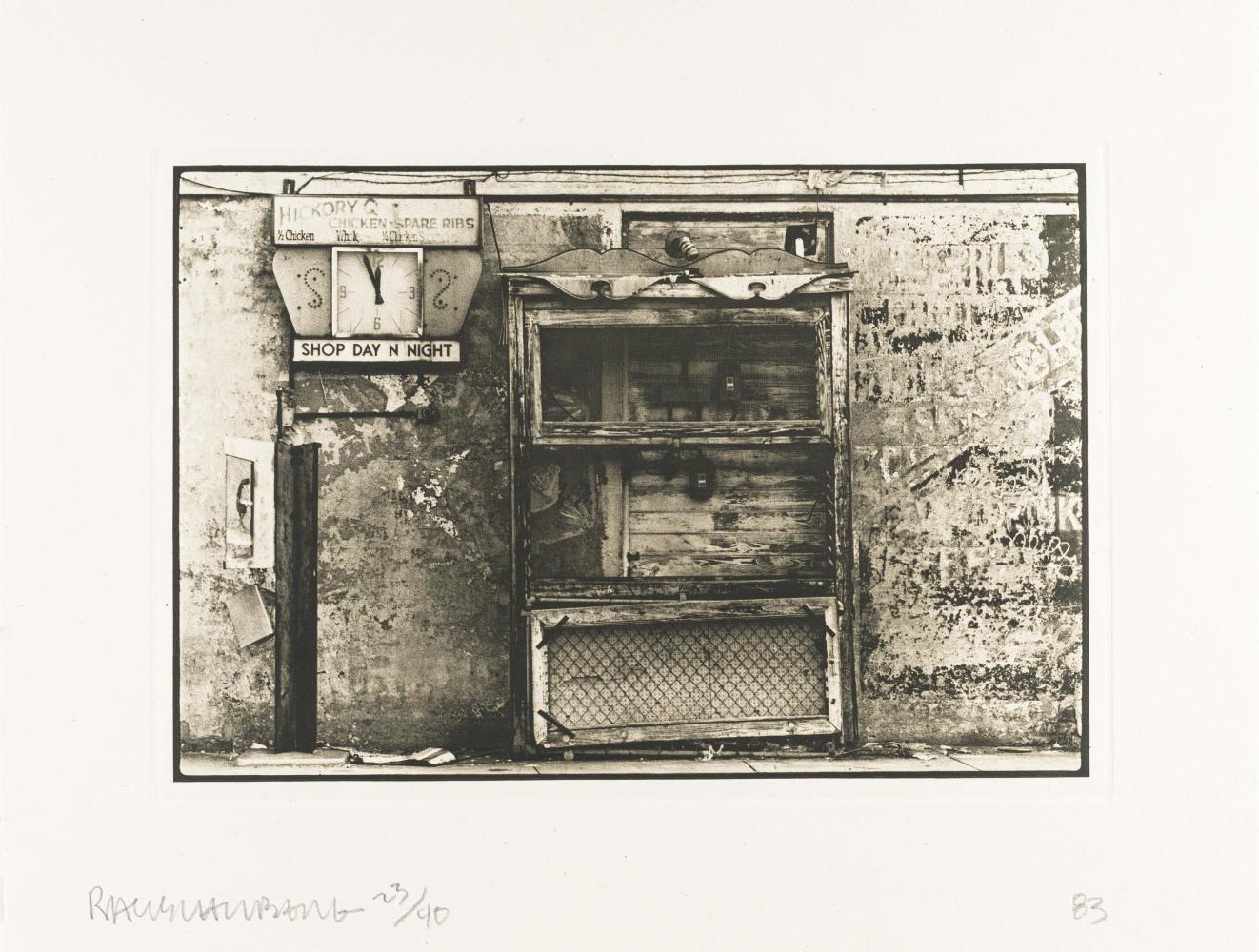
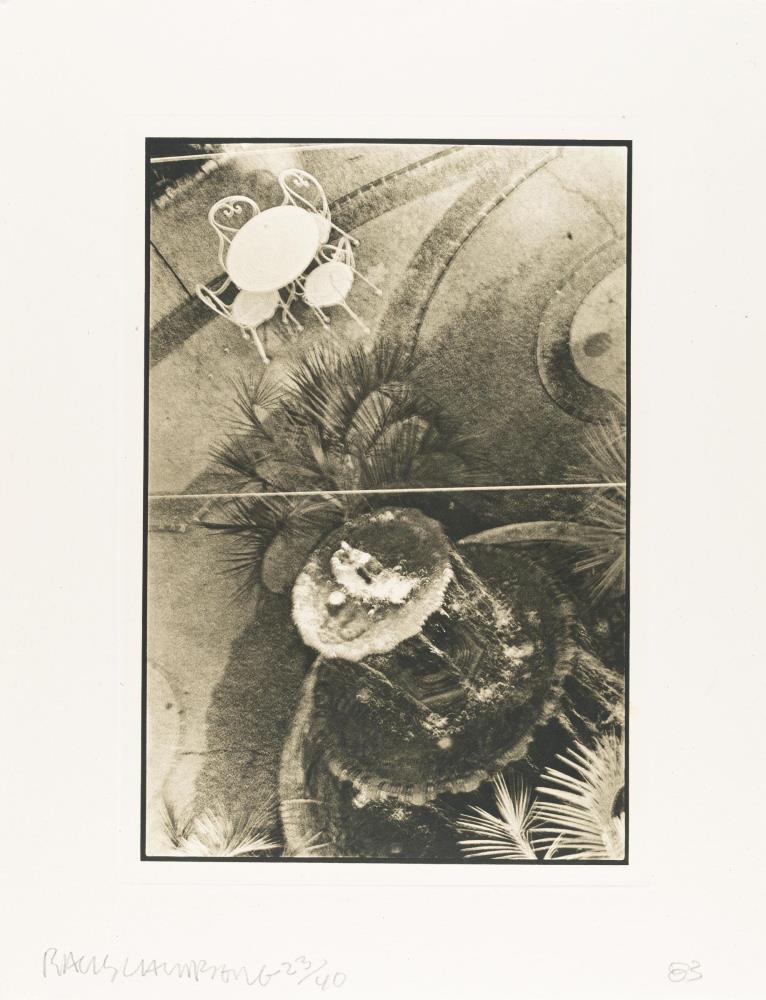
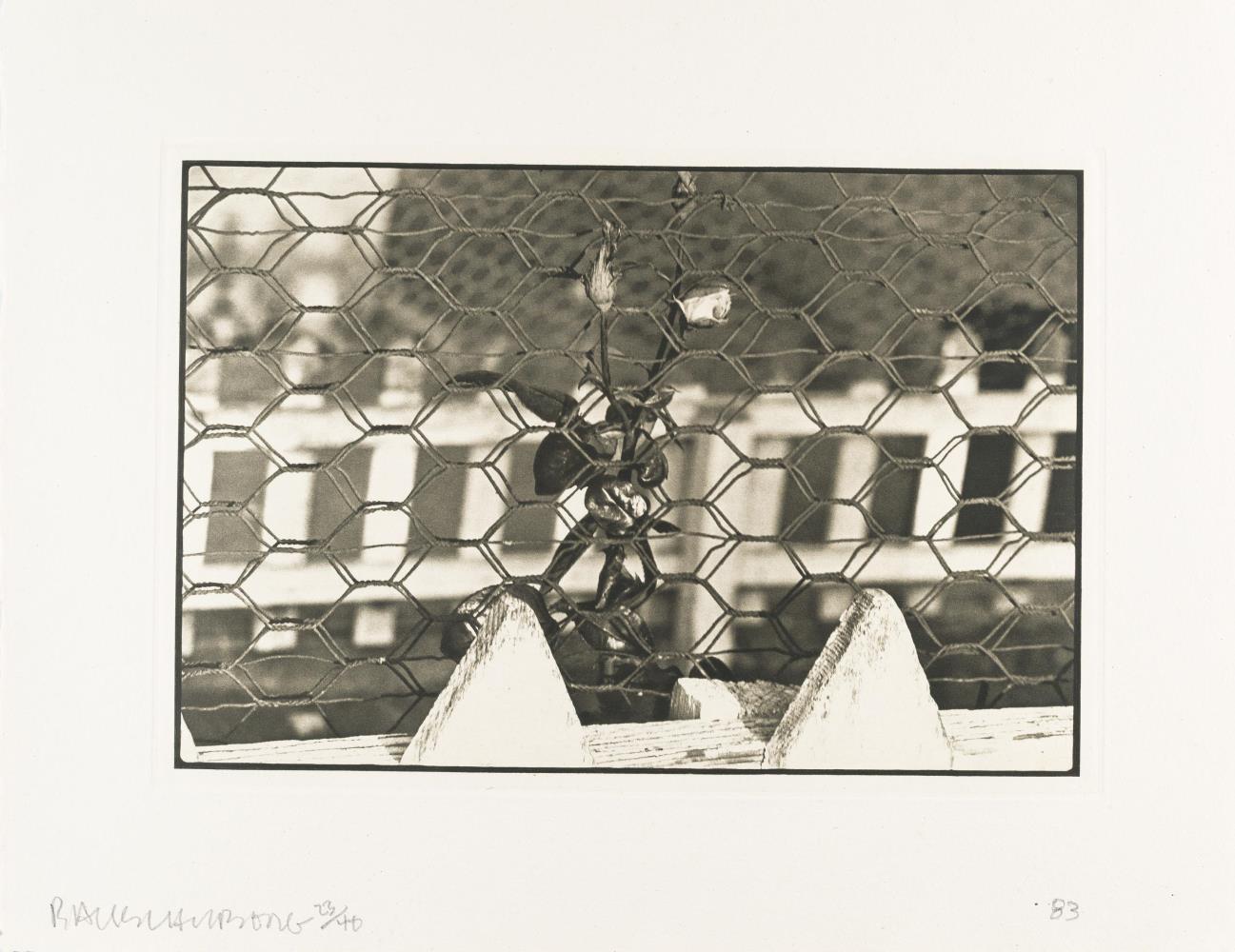
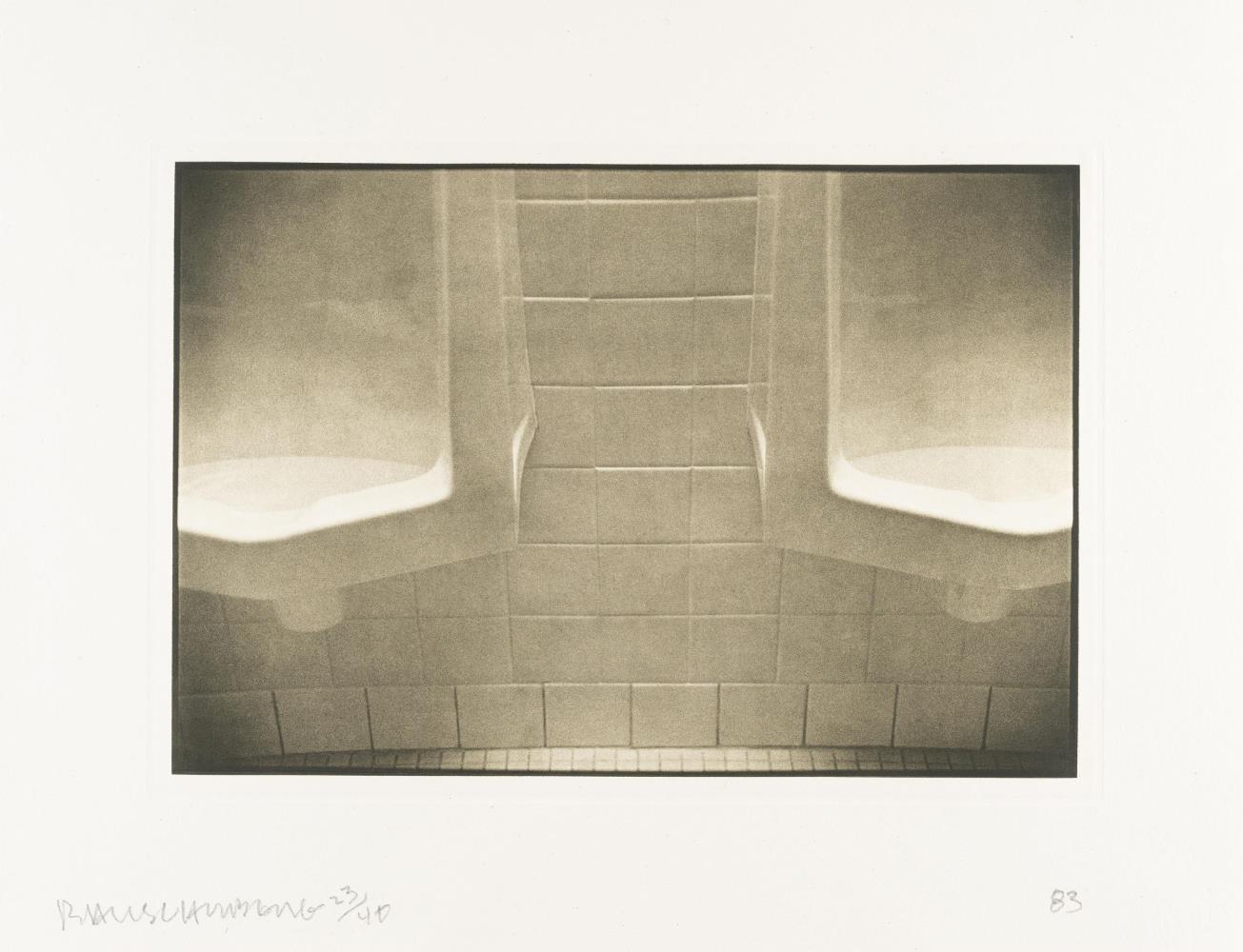
With the portfolio Suite 1 (America Mix-16), Robert Rauschenberg once again demonstrates his radical openness towards materials, techniques and media. The sixteen-part series, created in 1983, is part of a later body of work in which the artist increasingly works with photography as a central means of expression. Rauschenberg's approach to photography is less documentary than compositional: the camera becomes an instrument for collecting images, impressions, scenes and signs of a multi-layered reality – a visual lexicon from which he draws for his works.
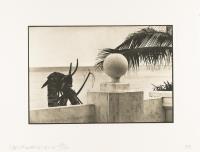
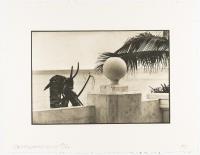
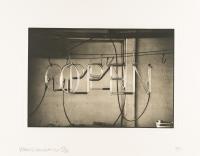
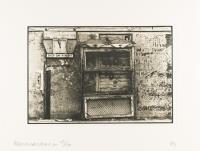
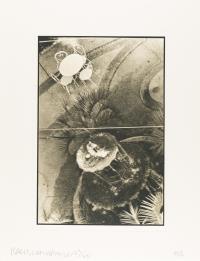
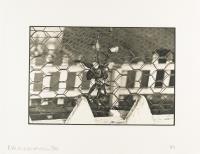
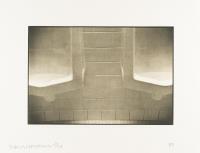
Suite 1 (America Mix-16) is part of a larger series of photographic portfolios created in the 1980s. The photographs, often taken during his numerous journeys through the USA or other countries, show everyday scenes: street scenes, typography, signs, urban fixtures, silhouettes – motifs that appear both random and composed in their apparent triviality. In America Mix-16, these photographic fragments combine to form a collage-like reflection on American identity, consumer culture, mobility and the visual diversity of our world.
Photography has accompanied Rauschenberg's work since the 1950s and plays a central role in his artistic practice: he already integrated photographic image elements in his Combines – both as actual prints and in the form of screen print transfers, which later became an important stylistic device in his work. The focus is never on the individual image, but on the context, the interlocking of heterogeneous visual languages. Rauschenberg's photography is always integrated into a network of meanings, contrasts and cultural codes.
In the portfolio Suite 1 (America Mix-16), this approach culminates in a media-reflexive, almost collage-like visual aesthetic. The individual images appear like notes or visual sketches – snapshots of an attentive gaze that never merely observes, but structures and transforms. The series is thus exemplary of Rauschenberg's artistic thinking: thinking in fragments, superimpositions and open spaces of meaning. At the same time, it is a testimony to his role as a crossover artist between painting, object art, photography and conceptual art – and as a pioneer who expanded the visual vocabulary of post-war modernism in a lasting way.
With the portfolio Suite 1 (America Mix-16), Robert Rauschenberg once again demonstrates his radical openness towards materials, techniques and media. The sixteen-part series, created in 1983, is part of a later body of work in which the artist increasingly works with photography as a central means of expression. Rauschenberg's approach to photography is less documentary than compositional: the camera becomes an instrument for collecting images, impressions, scenes and signs of a multi-layered reality – a visual lexicon from which he draws for his works.
Suite 1 (America Mix-16) is part of a larger series of photographic portfolios created in the 1980s. The photographs, often taken during his numerous journeys through the USA or other countries, show everyday scenes: street scenes, typography, signs, urban fixtures, silhouettes – motifs that appear both random and composed in their apparent triviality. In America Mix-16, these photographic fragments combine to form a collage-like reflection on American identity, consumer culture, mobility and the visual diversity of our world.
Photography has accompanied Rauschenberg's work since the 1950s and plays a central role in his artistic practice: he already integrated photographic image elements in his Combines – both as actual prints and in the form of screen print transfers, which later became an important stylistic device in his work. The focus is never on the individual image, but on the context, the interlocking of heterogeneous visual languages. Rauschenberg's photography is always integrated into a network of meanings, contrasts and cultural codes.
In the portfolio Suite 1 (America Mix-16), this approach culminates in a media-reflexive, almost collage-like visual aesthetic. The individual images appear like notes or visual sketches – snapshots of an attentive gaze that never merely observes, but structures and transforms. The series is thus exemplary of Rauschenberg's artistic thinking: thinking in fragments, superimpositions and open spaces of meaning. At the same time, it is a testimony to his role as a crossover artist between painting, object art, photography and conceptual art – and as a pioneer who expanded the visual vocabulary of post-war modernism in a lasting way.