Sam Francis
Untitled (SF92-91)
Artist
Sam Francis
1923 San Mateo/Kalifornien - Santa Monica 1994
Further information
Laut der Sam Francis Foundation kann das Werk in unterschiedlichen Ausrichtungen präsentiert werden – sowohl horizontal als auch vertikal.
Das Werk ist im "Sam Francis: Online Catalogue Raisonné Project" unter der Nr. SF92-91 verzeichnet.
Das Werk ist im "Sam Francis: Online Catalogue Raisonné Project" unter der Nr. SF92-91 verzeichnet.
Provenance
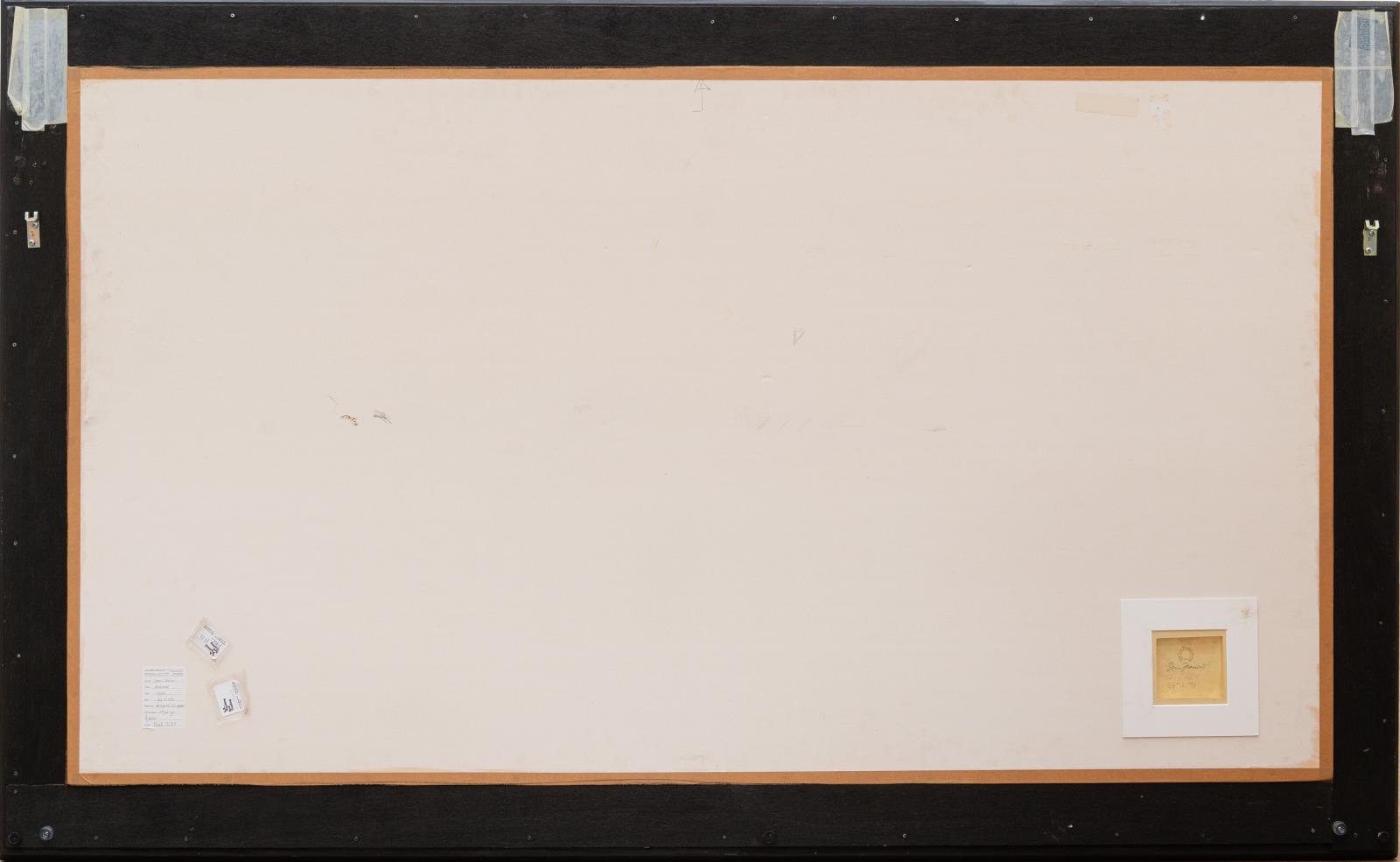
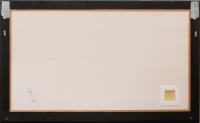
1994 Artist’s estate, with stamp, signature stamp and handwritten archive and inventory numbers on the reverse;
1998 Gallery Delaive, Amsterdam, with label on the reverse of the frame;
Private collection, Belgium;
Private collection, Europe.
1998 Gallery Delaive, Amsterdam, with label on the reverse of the frame;
Private collection, Belgium;
Private collection, Europe.
Share


Description
• A characteristic late work in which Francis’s visual language evolves from open colour spaces to energetically charged clusters of colour
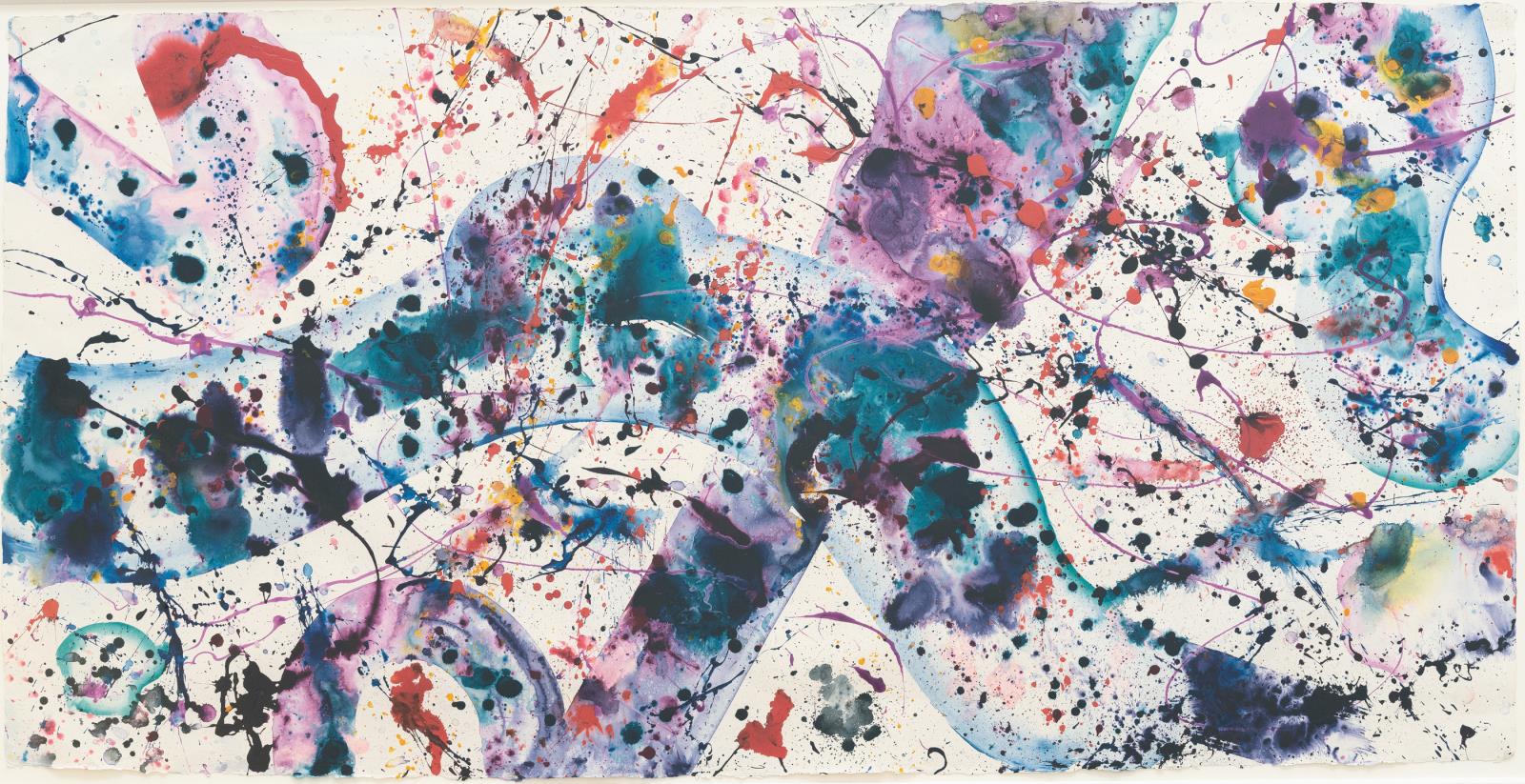
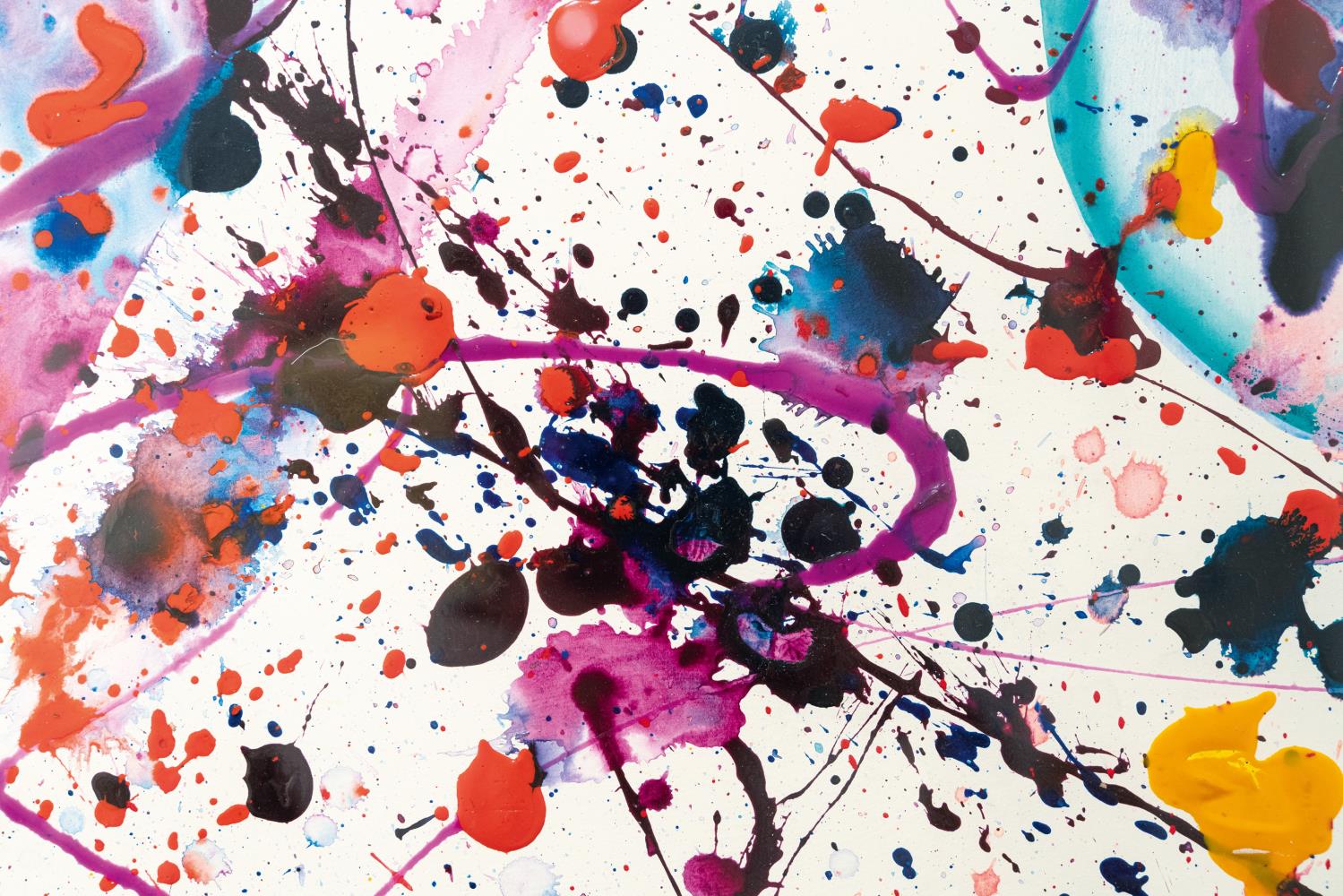
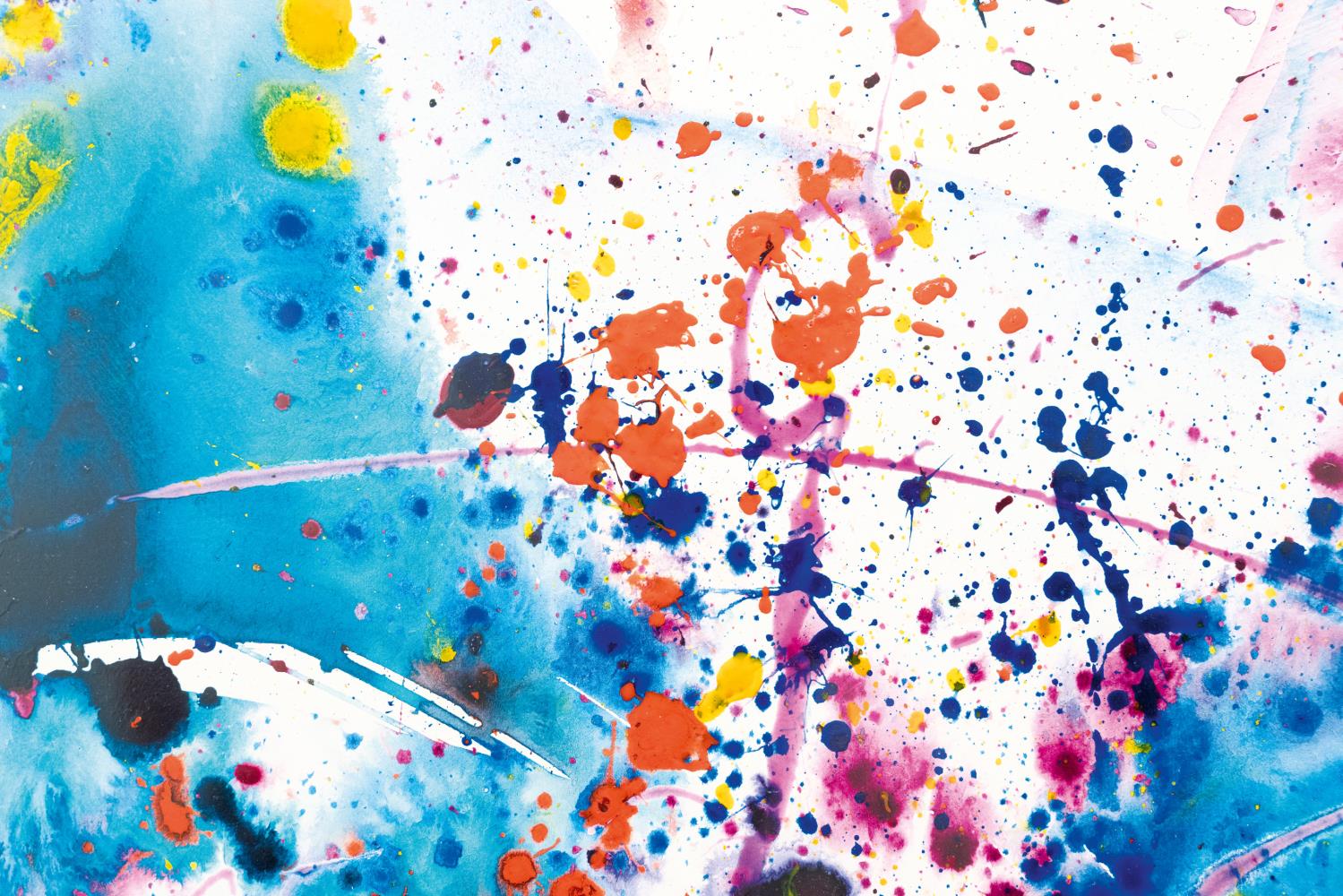
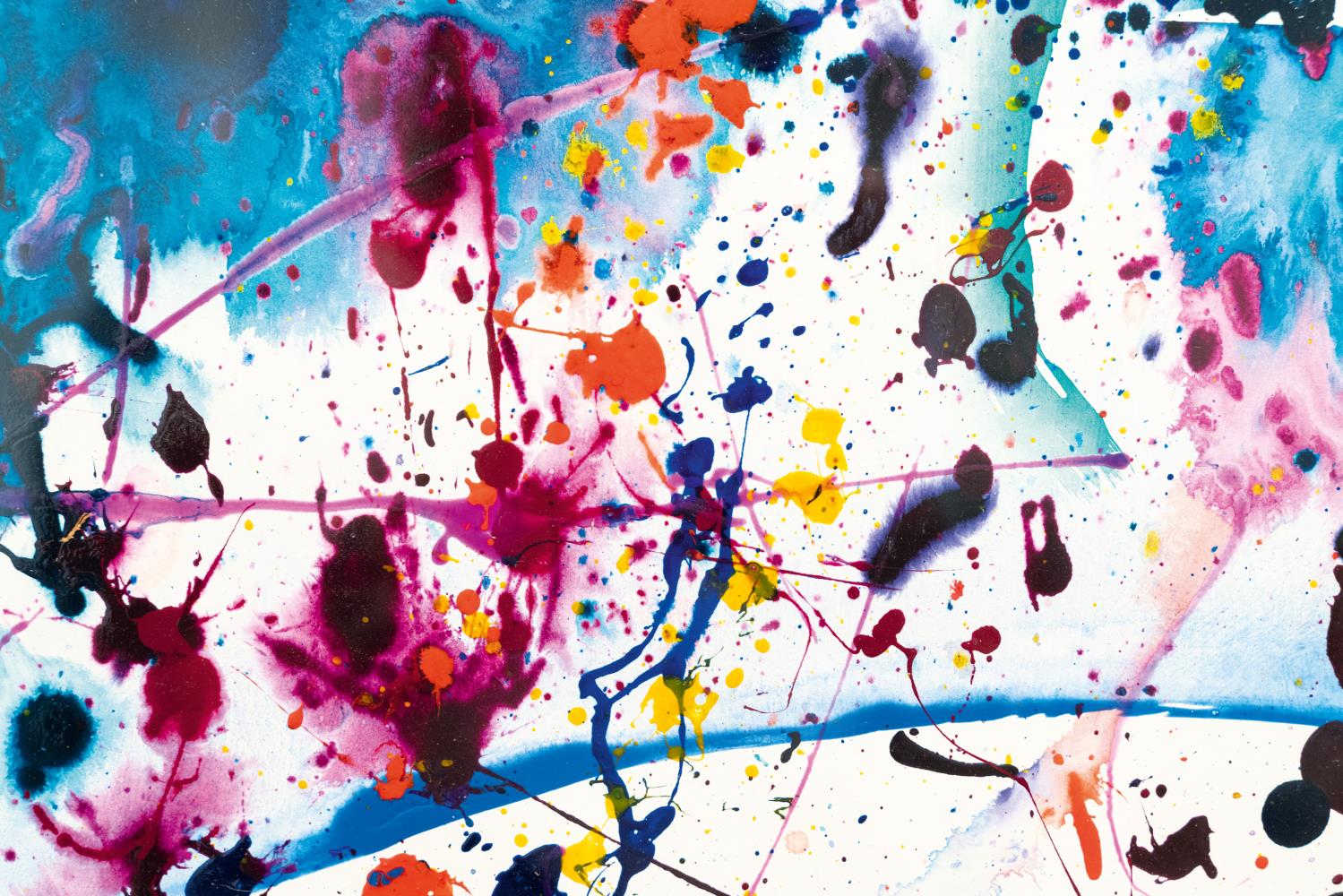
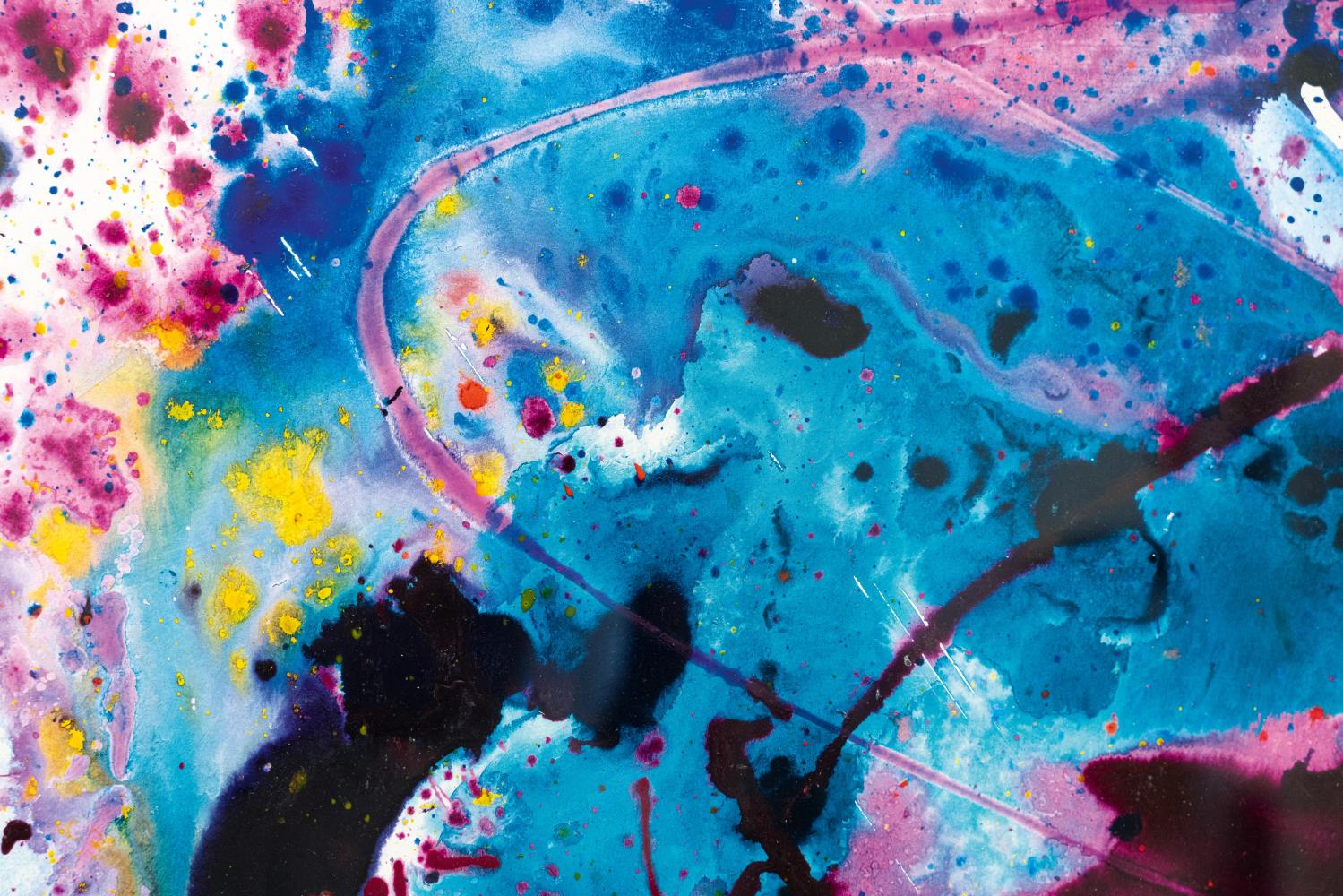
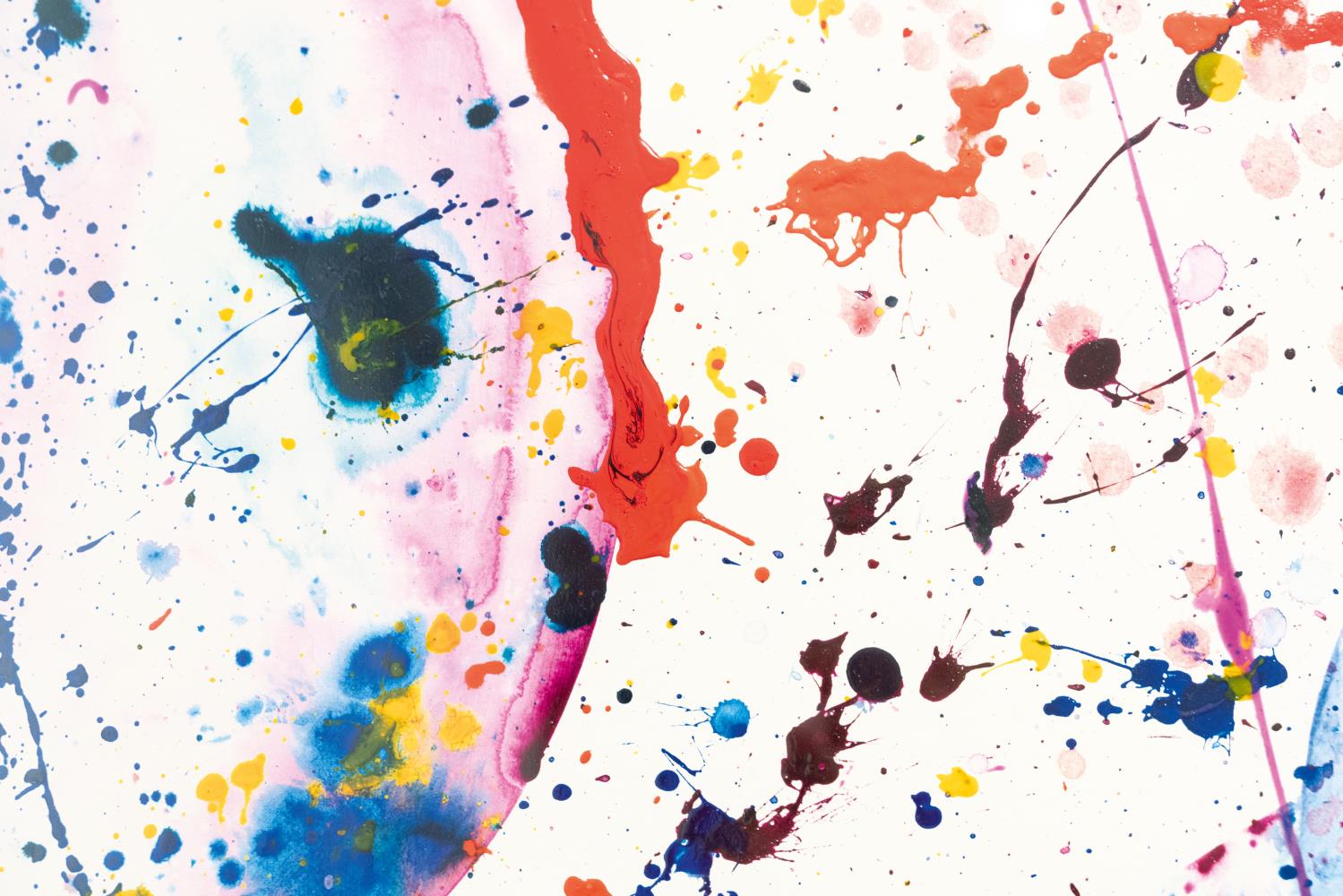
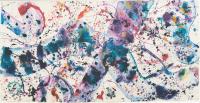
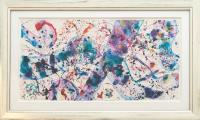
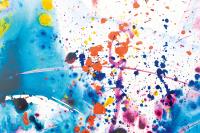
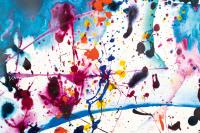
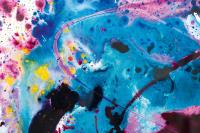
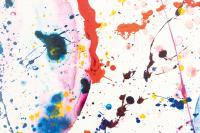
• A multi-layered composition of freely arranged colour formations, linear inscriptions and dynamic drippings in vibrant shades of blue, turquoise, violet and magenta
• An atmospheric fusion of gestural spontaneity, rhythmic structure and the light-infused transparency that characterises Francis’s late works
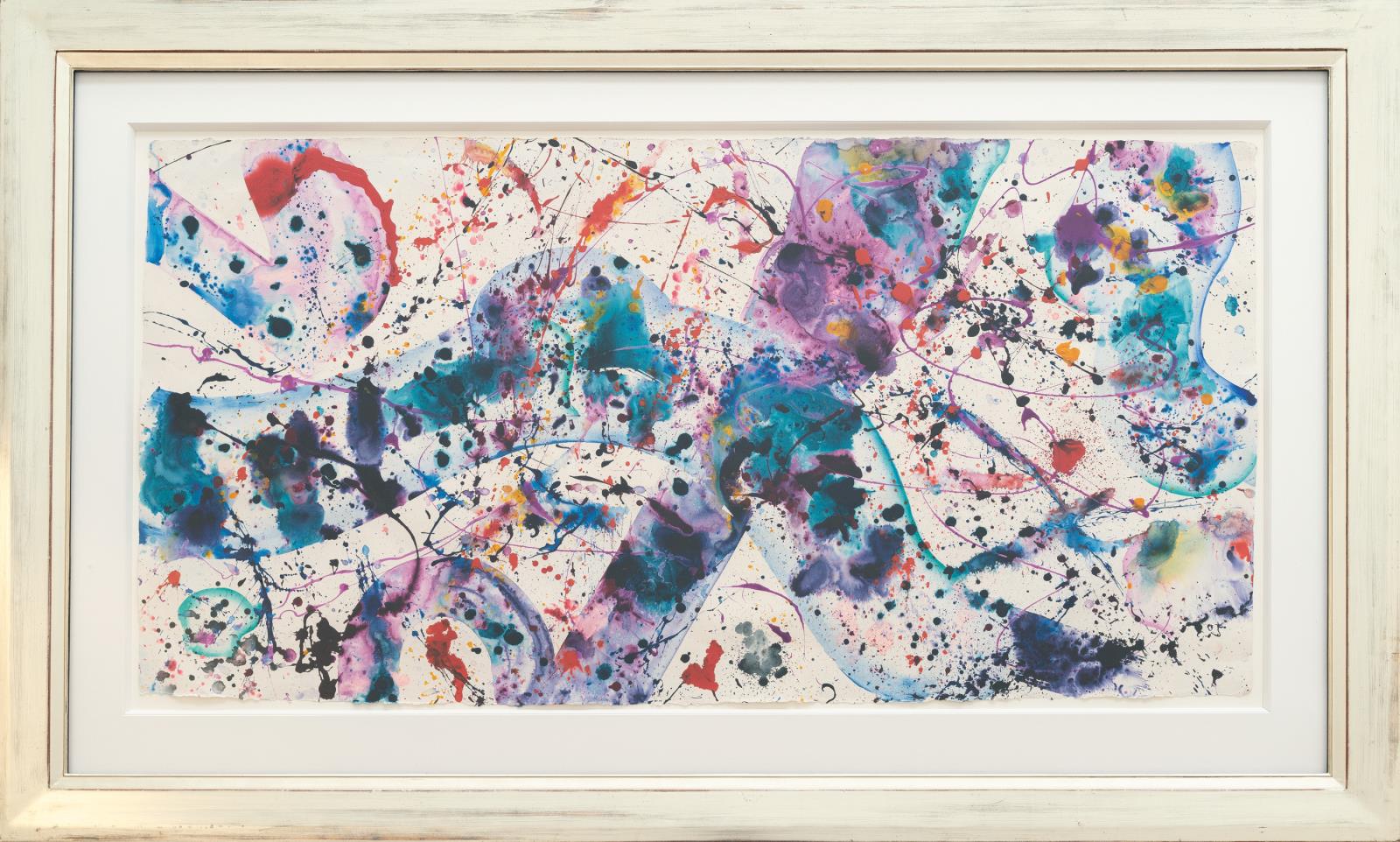
This work, ‘untitled (SF92-91)’, belongs to Sam Francis’s late oeuvre and reveals how his visual language has evolved over the decades. Colour and space remain central, yet structure and organisation have changed. Increasingly, the colour no longer spreads primarily as a floating formation in open space, but condenses into complex, energetically charged clusters. Patches of colour collide, overlap and develop an almost eruptive dynamism.
This development was already foreshadowed in the works of the 1970s, when, following his return to Japon, Francis developed more geometric basic structures and more sharply contrasted white spaces.
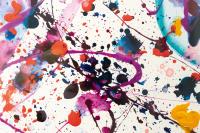
The present composition unfolds as a dense network of colour clusters freely distributed across the picture plane, linear inscriptions and finely atomised splashes that move rhythmically across the white background. Francis develops a multi-layered network of individual colour events that correspond with one another and animate the surface in an almost pulsating manner. Above all, the cool shades of blue, turquoise and violet determine the overall effect, yet are repeatedly interrupted by bold red and magenta accents. Sweeping lines, flinging marks and drippings run through the composition, lending it a great sense of movement.
At the same time, the works of the 1990s retain that particular luminosity and transparency that make Francis’s painting unmistakable. The biomorphic, cellular forms seem to pulsate with an inner light, evoking microscopic or cosmic structures – cells, atoms or planetary systems. It is precisely here that it becomes clear how much Francis’ art is driven by the idea of a universal, almost boundless energy.
"Los Angeles is best for the light in my work. The light in New York is harsh. The light in Paris is a beautiful sky grey. But the light in Los Angeles is clear and radiant, even when it’s hazy."
• A multi-layered composition of freely arranged colour formations, linear inscriptions and dynamic drippings in vibrant shades of blue, turquoise, violet and magenta
• An atmospheric fusion of gestural spontaneity, rhythmic structure and the light-infused transparency that characterises Francis’s late works
This work, ‘untitled (SF92-91)’, belongs to Sam Francis’s late oeuvre and reveals how his visual language has evolved over the decades. Colour and space remain central, yet structure and organisation have changed. Increasingly, the colour no longer spreads primarily as a floating formation in open space, but condenses into complex, energetically charged clusters. Patches of colour collide, overlap and develop an almost eruptive dynamism.
This development was already foreshadowed in the works of the 1970s, when, following his return to Japon, Francis developed more geometric basic structures and more sharply contrasted white spaces.
The present composition unfolds as a dense network of colour clusters freely distributed across the picture plane, linear inscriptions and finely atomised splashes that move rhythmically across the white background. Francis develops a multi-layered network of individual colour events that correspond with one another and animate the surface in an almost pulsating manner. Above all, the cool shades of blue, turquoise and violet determine the overall effect, yet are repeatedly interrupted by bold red and magenta accents. Sweeping lines, flinging marks and drippings run through the composition, lending it a great sense of movement.
At the same time, the works of the 1990s retain that particular luminosity and transparency that make Francis’s painting unmistakable. The biomorphic, cellular forms seem to pulsate with an inner light, evoking microscopic or cosmic structures – cells, atoms or planetary systems. It is precisely here that it becomes clear how much Francis’ art is driven by the idea of a universal, almost boundless energy.
"Los Angeles is best for the light in my work. The light in New York is harsh. The light in Paris is a beautiful sky grey. But the light in Los Angeles is clear and radiant, even when it’s hazy."