Stephan Balkenhol
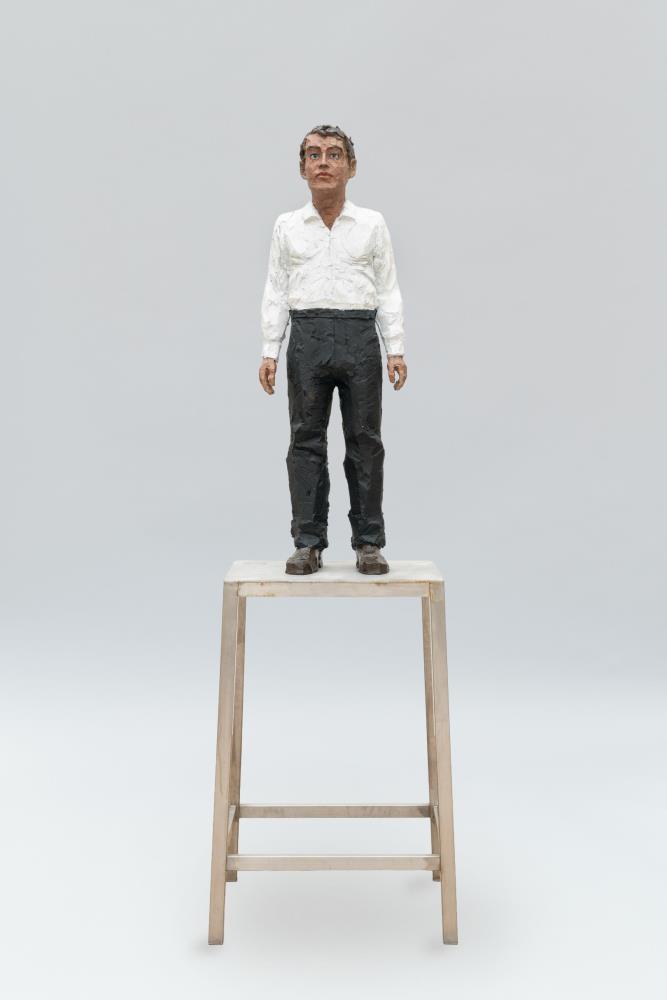
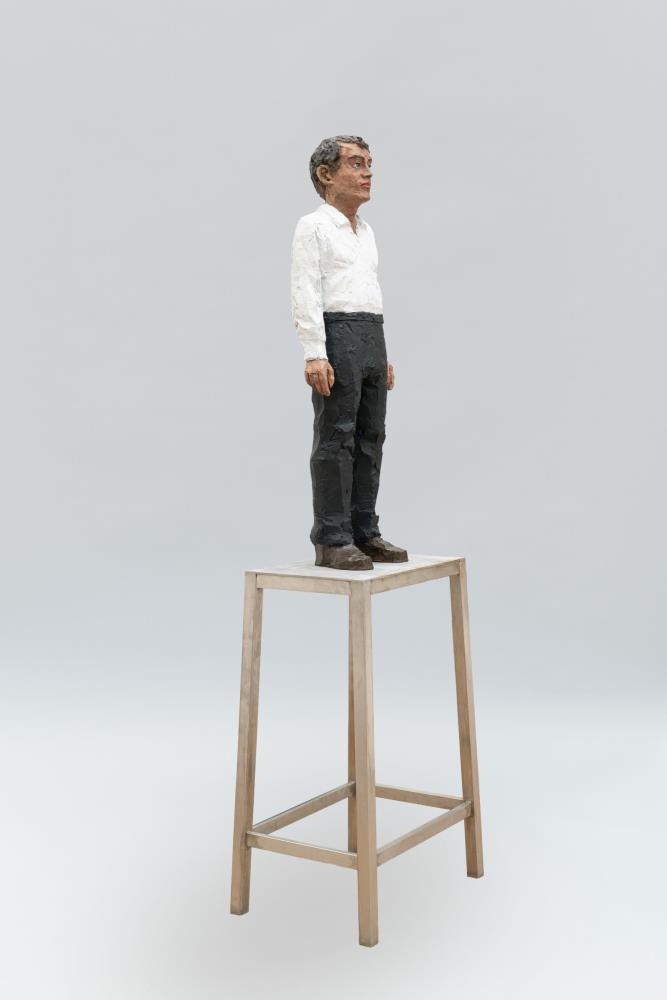
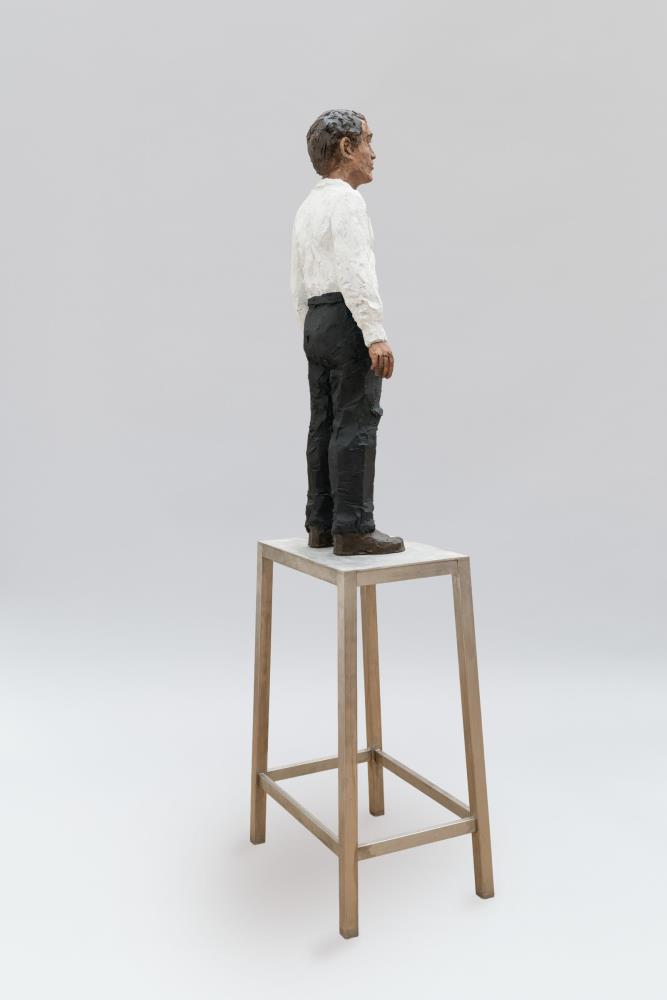
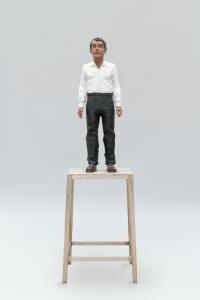
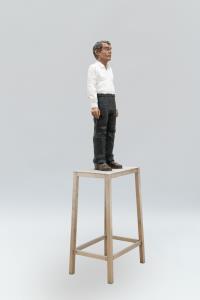
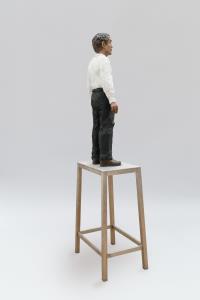
Mann mit schwarzer Hose auf Sockel
Artist
Stephan Balkenhol
Exhibition
Galerie Walter Bischoff Collection, Hans Braun Collection, Museum Villa Haiss, Baden-Württemberg.
Provenance
Gallery Löhrl, Mönchengladbach;Hans Braun Collection, Baden-Württemberg, acquired from the aforementioned.
Share


Description
- Balkenhol's sculptures are among the best-known works of contemporary sculpture beyond the borders of Germany
- Through anonymous stereotypes in neutral clothing and their enigmatic aura, the artist encourages the viewer to make their own interpretations
- The bronze sculptures thrive on the tension between the organic, wood-like surface and the material density and durability of the material
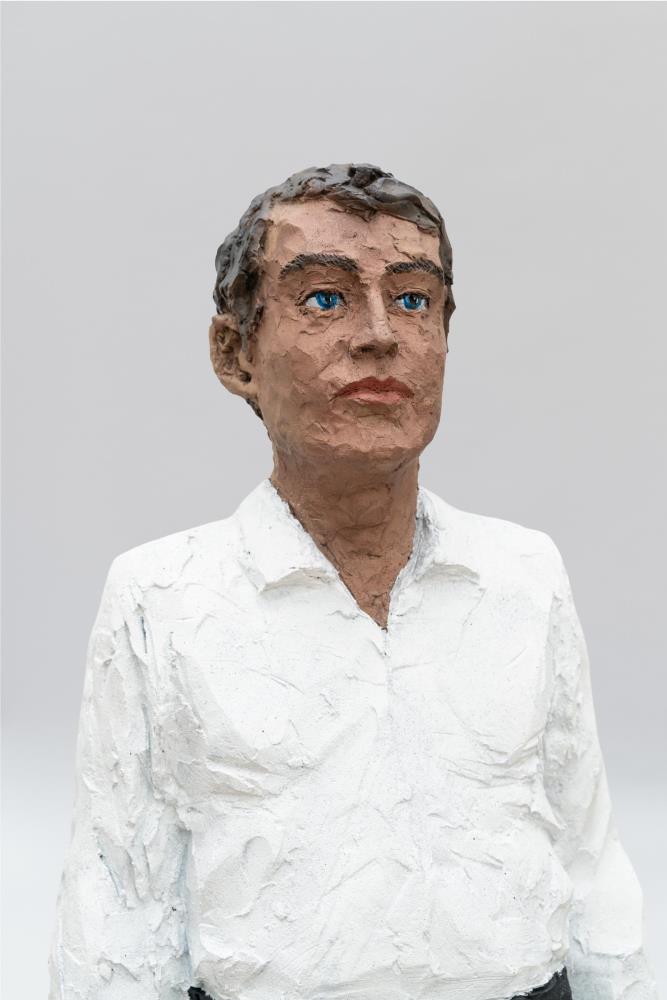
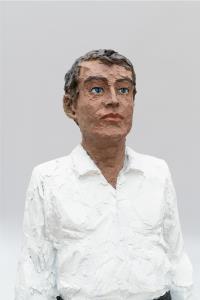
Stephan Balkenhol is one of the most important representatives of contemporary sculpture in Germany. In recent decades, his unmistakable figures have found their way into numerous national and international museums and collections and populate prominent public spaces. Man himself is always at the center of his work. In bronze, we encounter a man in a white shirt and black trousers on a high pedestal. The materiality of the bronze is heavy and solid, in a charming interplay with the surface, which at first glance looks like wood. The man appears simple and ordinary, his facial expressions and posture are deliberately unspecific and the figure becomes a projection surface for the viewer.
- Through anonymous stereotypes in neutral clothing and their enigmatic aura, the artist encourages the viewer to make their own interpretations
- The bronze sculptures thrive on the tension between the organic, wood-like surface and the material density and durability of the material
Stephan Balkenhol is one of the most important representatives of contemporary sculpture in Germany. In recent decades, his unmistakable figures have found their way into numerous national and international museums and collections and populate prominent public spaces. Man himself is always at the center of his work. In bronze, we encounter a man in a white shirt and black trousers on a high pedestal. The materiality of the bronze is heavy and solid, in a charming interplay with the surface, which at first glance looks like wood. The man appears simple and ordinary, his facial expressions and posture are deliberately unspecific and the figure becomes a projection surface for the viewer.