Aurélie Nemours
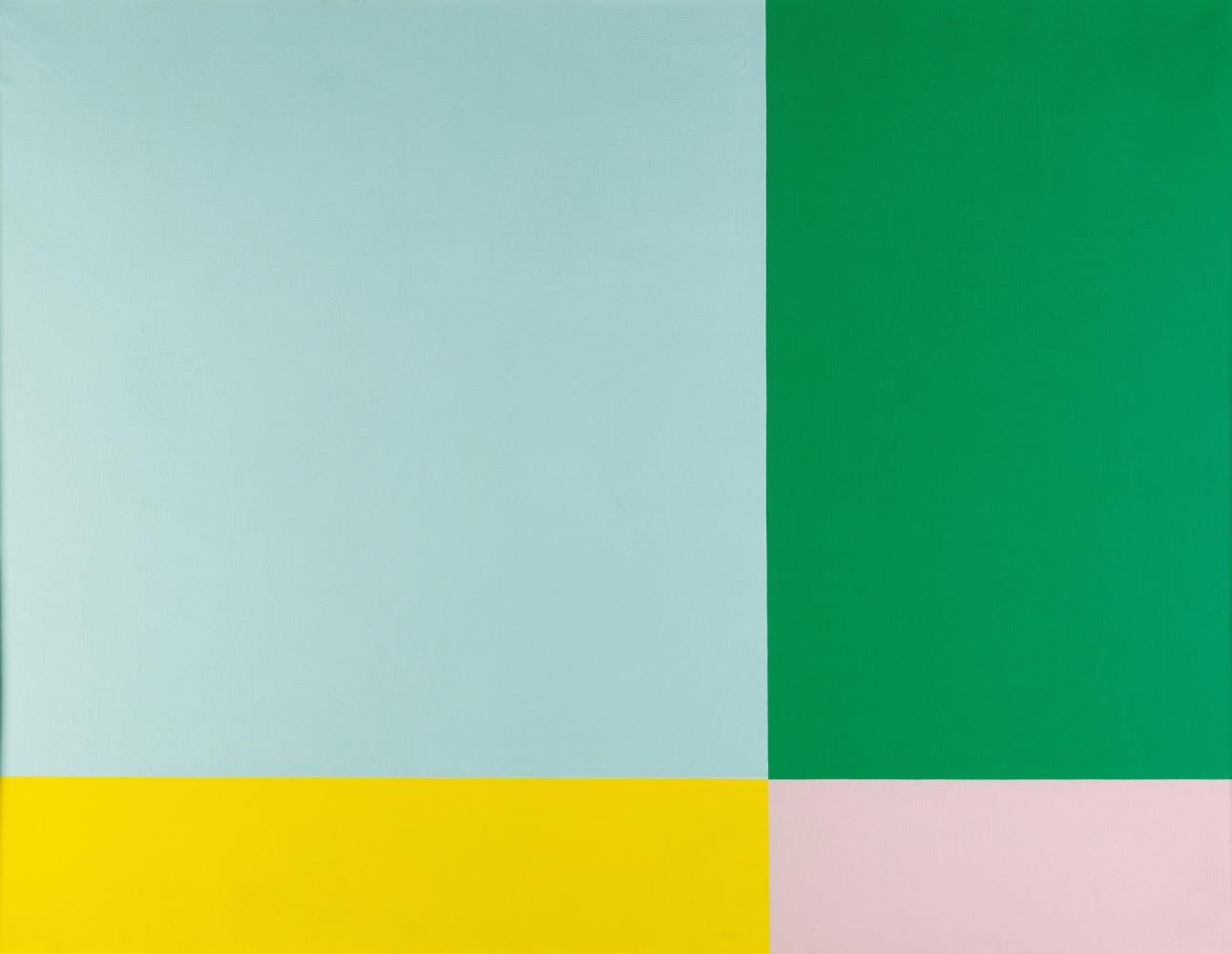
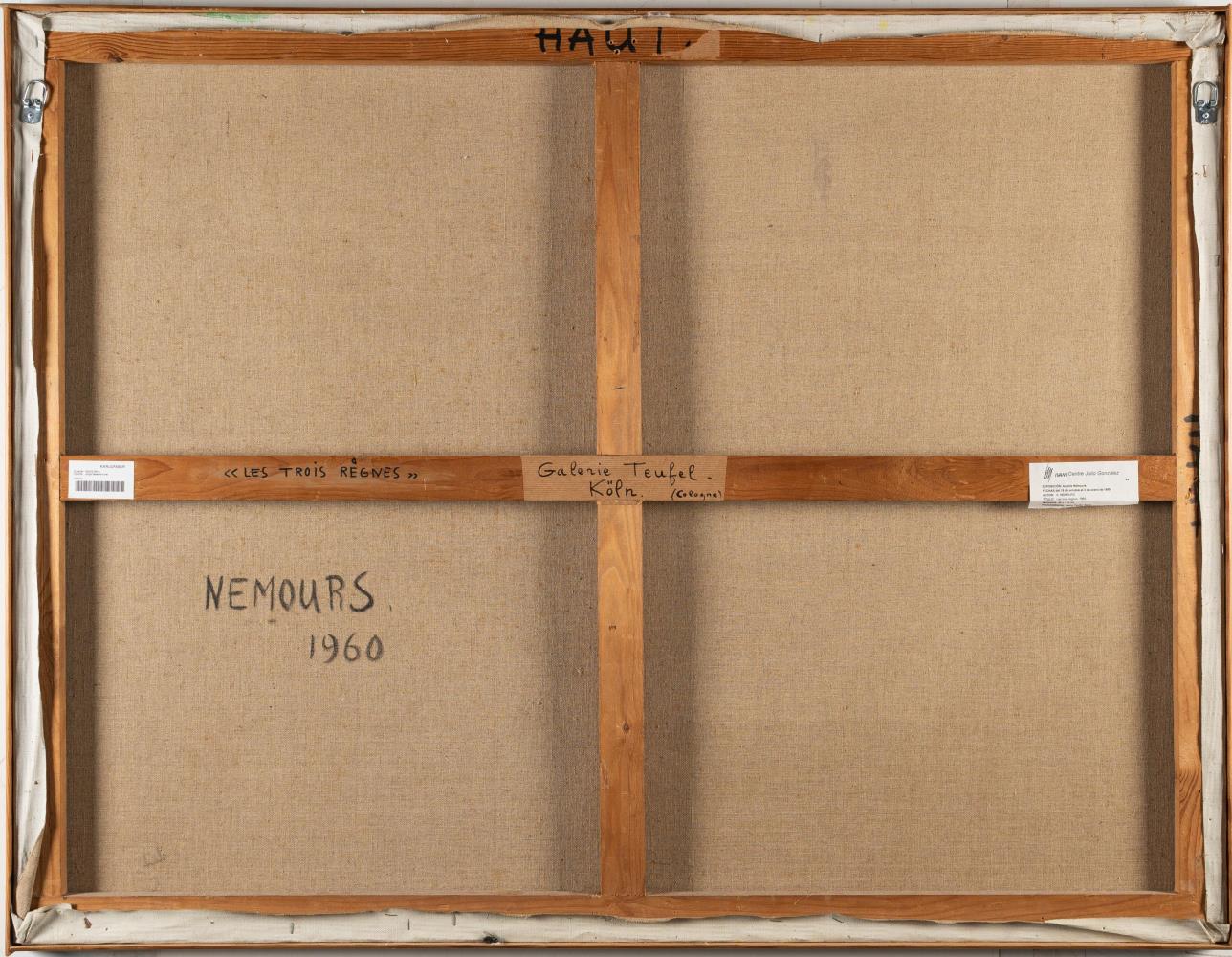
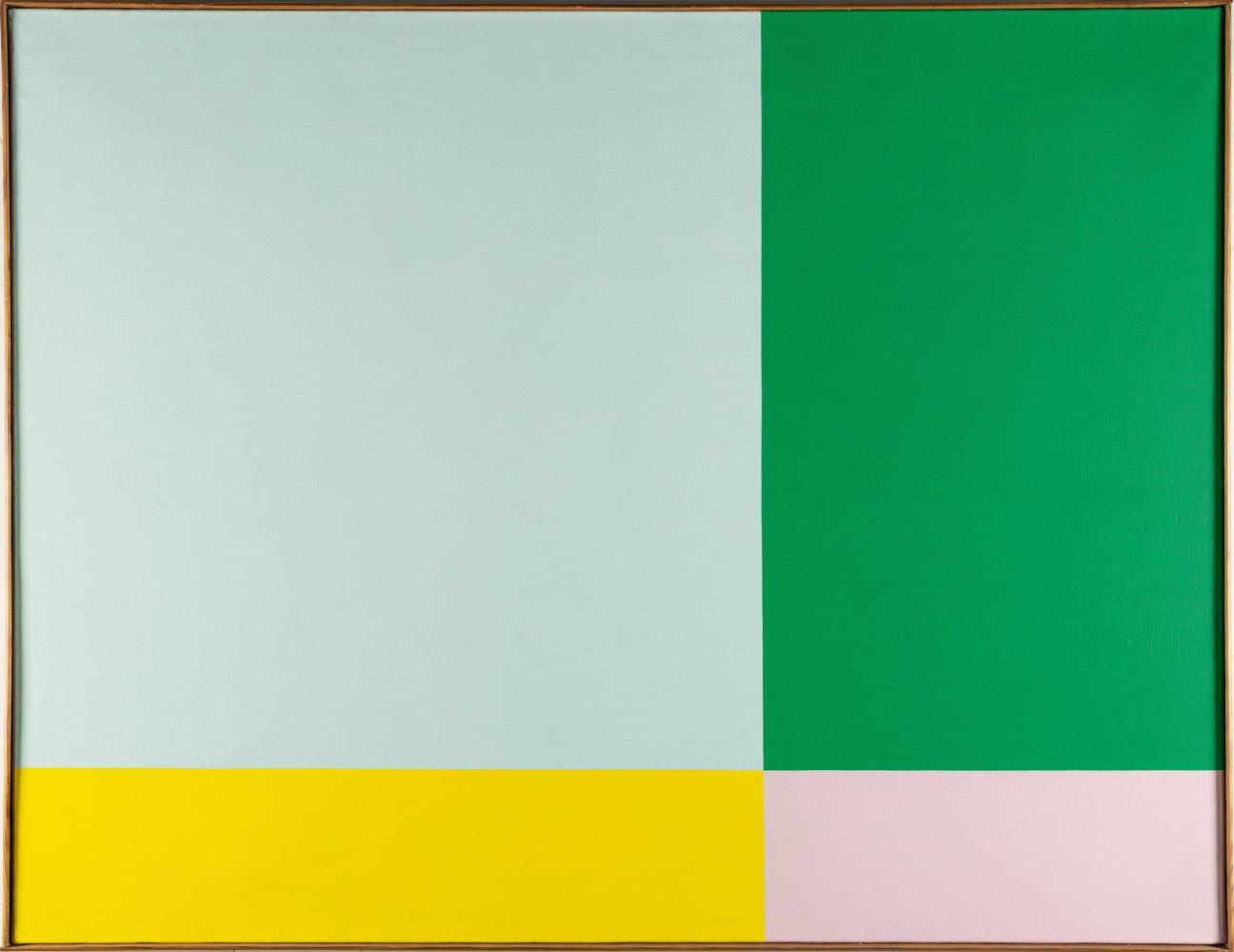
„Les trois règnos“
Artist
Aurélie Nemours
Exhibition
Nemours. Works from three decades, Galerie Teufel, Cologne 1980, col. ill. p. 29 ;
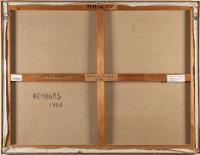
Aurélie Nemours, IVAM, Centre Julio González, Valencia 1998/1999, col. Illus. p. 64, with the label on the reverse of the stretcher.
Aurélie Nemours, IVAM, Centre Julio González, Valencia 1998/1999, col. Illus. p. 64, with the label on the reverse of the stretcher.
Provenance
Private collection, Baden-Württemberg.
Share


Description
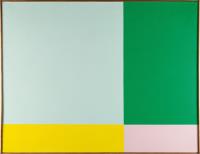
- Characteristic color composition, based on the geometric structure of the right angle
- The French artist Aurélie Nemours is the grande dame of Concrete Art. As a student of Fernand Léger, she takes up the cubist-constructivist heritage and consistently transforms it into pure geometry
- Works by Nemours can be seen internationally in the most important museums for Concrete Art, such as the Museum Haus Konstruktiv, Zurich, the Josef Albers Museum Quadrat, Bottrop, and the Museum für Konkrete Kunst in Ingolstadt
In works such as "Les trois règnos", Aurélie Nemours places sensitively selected color rectangles in a geometric relationship to each other, whereby these are arranged asymmetrically in the sense of a "balanced imbalance". The artist finds absolute truth only in color and geometric form, detached from subjectivity and emotionally tinged realism. This artistic position represented by Nemours stands at the end of 20 years of training, which clearly illustrates her artistic discovery process: she began her studies at the École du Louvre in 1929 and acquired a basic knowledge of art theory. In 1937, she attended the private studio "Ecole Paul Colin", where she learned to draw from models and designed posters, fashion, stage sets and costumes. This activity did not satisfy the artist, so in 1941 she decided to take painting lessons with André Lhote. The last stage of her training was with Fernand Léger, who ultimately paved the way for her to abstract geometric art, which is defined solely by color, the horizontal and the vertical.
- The French artist Aurélie Nemours is the grande dame of Concrete Art. As a student of Fernand Léger, she takes up the cubist-constructivist heritage and consistently transforms it into pure geometry
- Works by Nemours can be seen internationally in the most important museums for Concrete Art, such as the Museum Haus Konstruktiv, Zurich, the Josef Albers Museum Quadrat, Bottrop, and the Museum für Konkrete Kunst in Ingolstadt
In works such as "Les trois règnos", Aurélie Nemours places sensitively selected color rectangles in a geometric relationship to each other, whereby these are arranged asymmetrically in the sense of a "balanced imbalance". The artist finds absolute truth only in color and geometric form, detached from subjectivity and emotionally tinged realism. This artistic position represented by Nemours stands at the end of 20 years of training, which clearly illustrates her artistic discovery process: she began her studies at the École du Louvre in 1929 and acquired a basic knowledge of art theory. In 1937, she attended the private studio "Ecole Paul Colin", where she learned to draw from models and designed posters, fashion, stage sets and costumes. This activity did not satisfy the artist, so in 1941 she decided to take painting lessons with André Lhote. The last stage of her training was with Fernand Léger, who ultimately paved the way for her to abstract geometric art, which is defined solely by color, the horizontal and the vertical.