Veit Stoß (Umkreis)
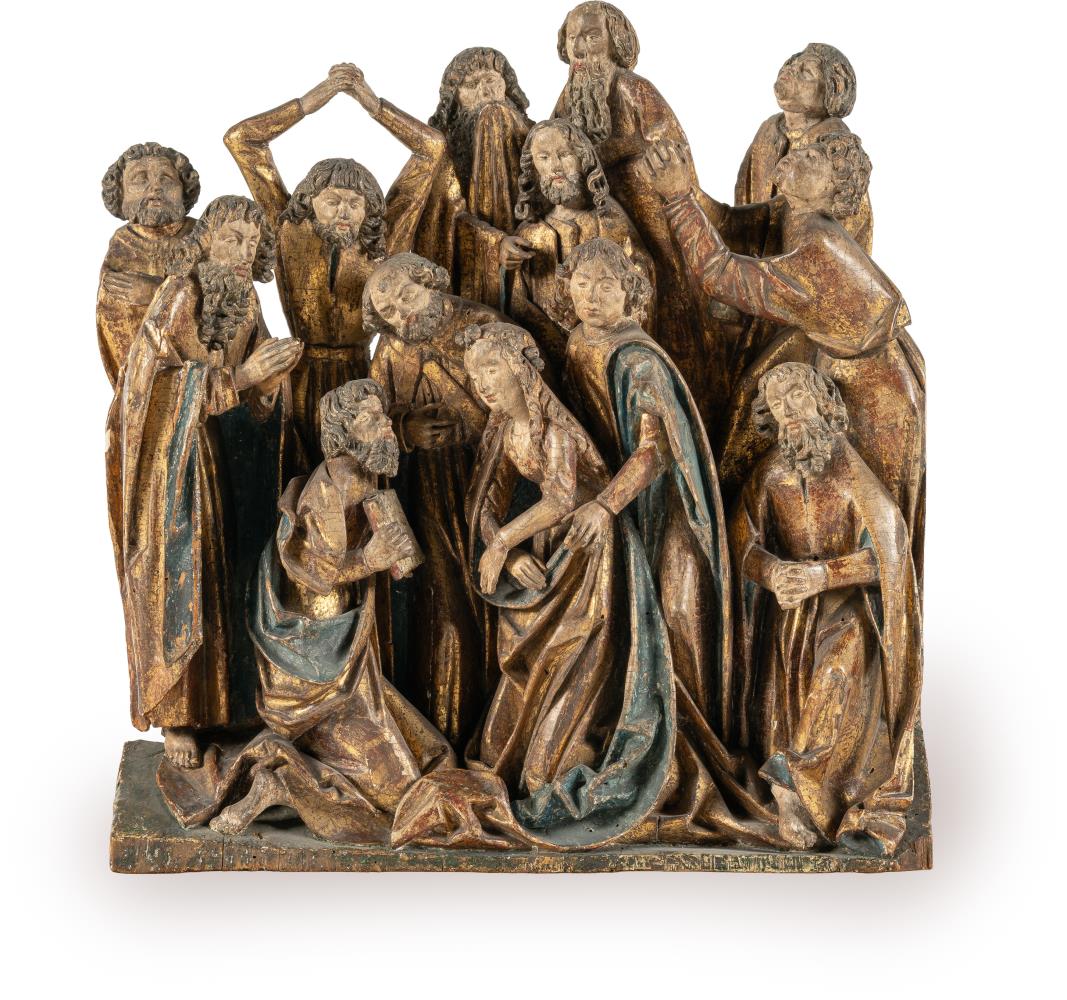
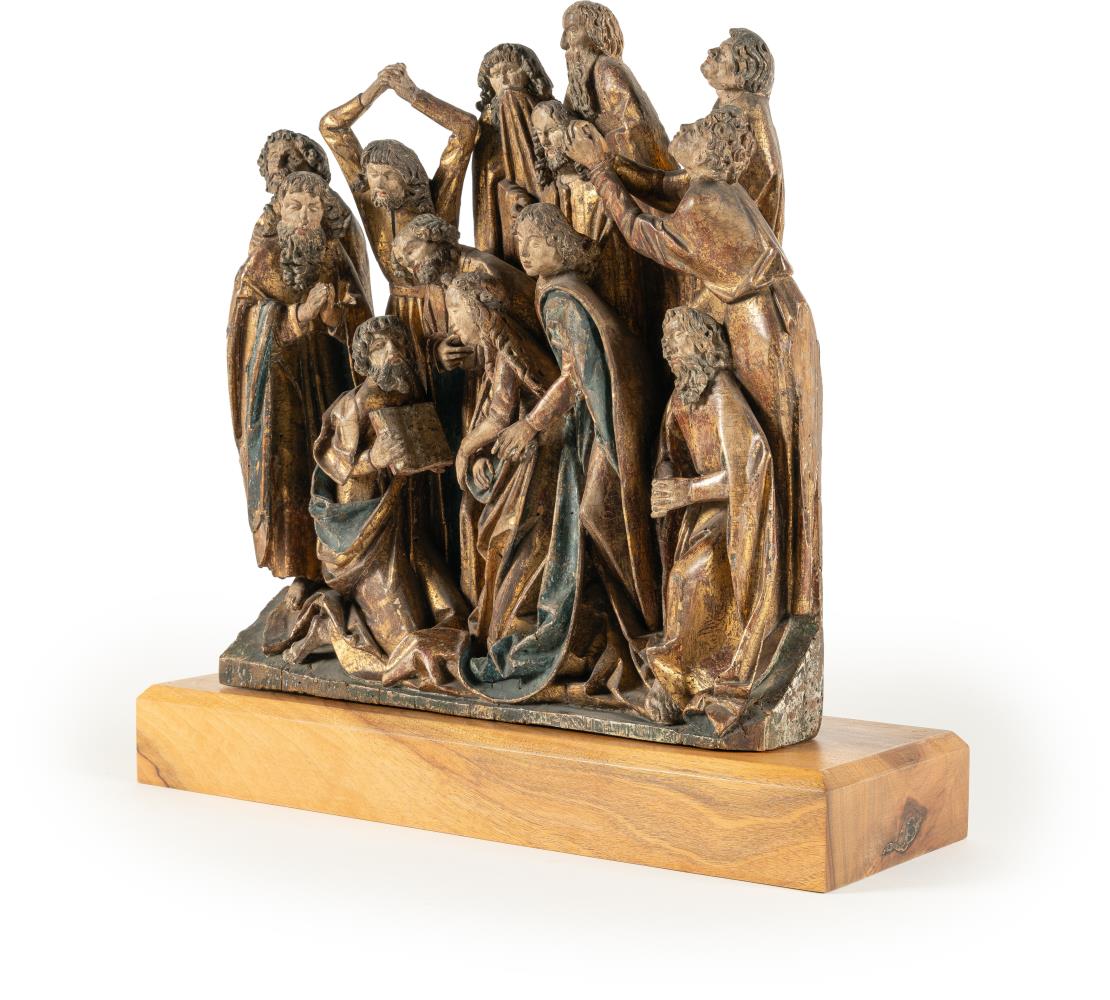
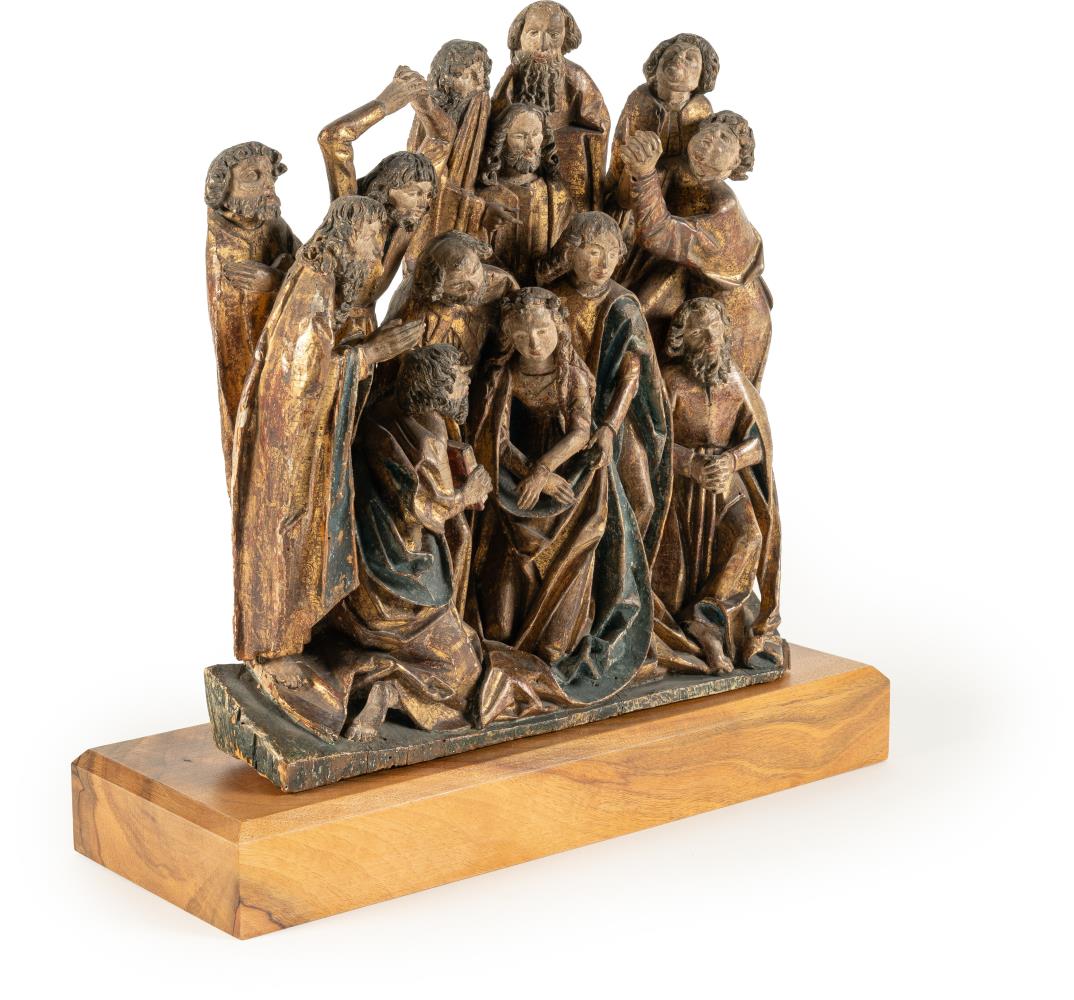
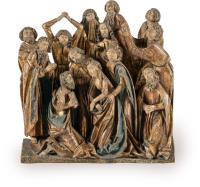
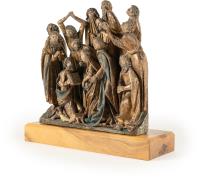
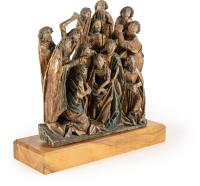
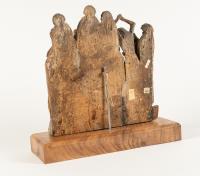
Death of the Virgin
Artista
Veit Stoß (Umkreis)
Letteratura
German and Dutch Panel Sculptures in Private Collections in Berlin, 1904, no. 72, fig. plate 37; Original Panels in Wood, Stone, Ivory, etc. from the Benoit Oppenheim Collection, Berlin, Leipzig 1907, no. 19, fig. plate 13; See Weniger, Matthias, Konjunktur und Kennerschaft – Benoit Oppenheim und der Hype des Skulpturensammelns um 1900, Lindenberg im Allgäu 2026.
Provenienza
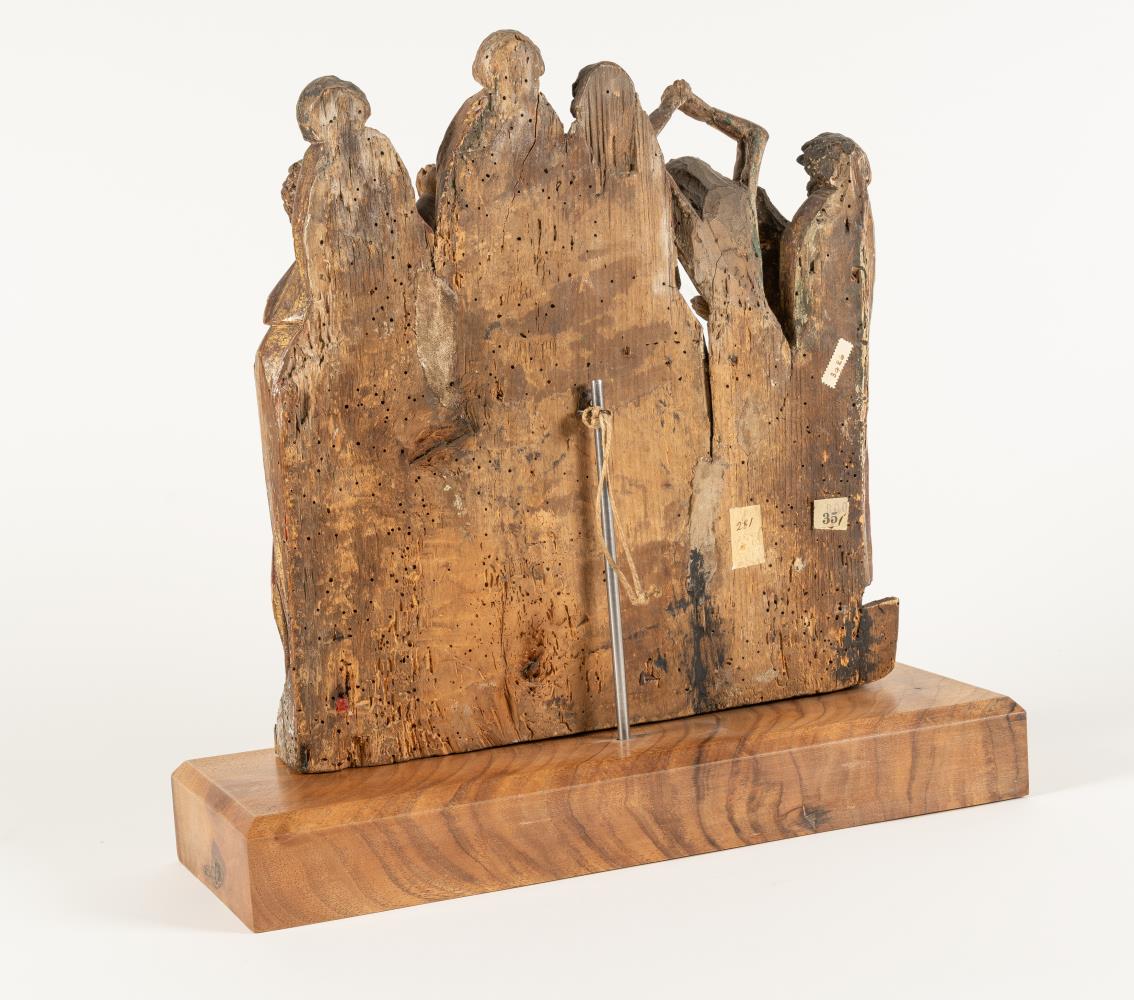
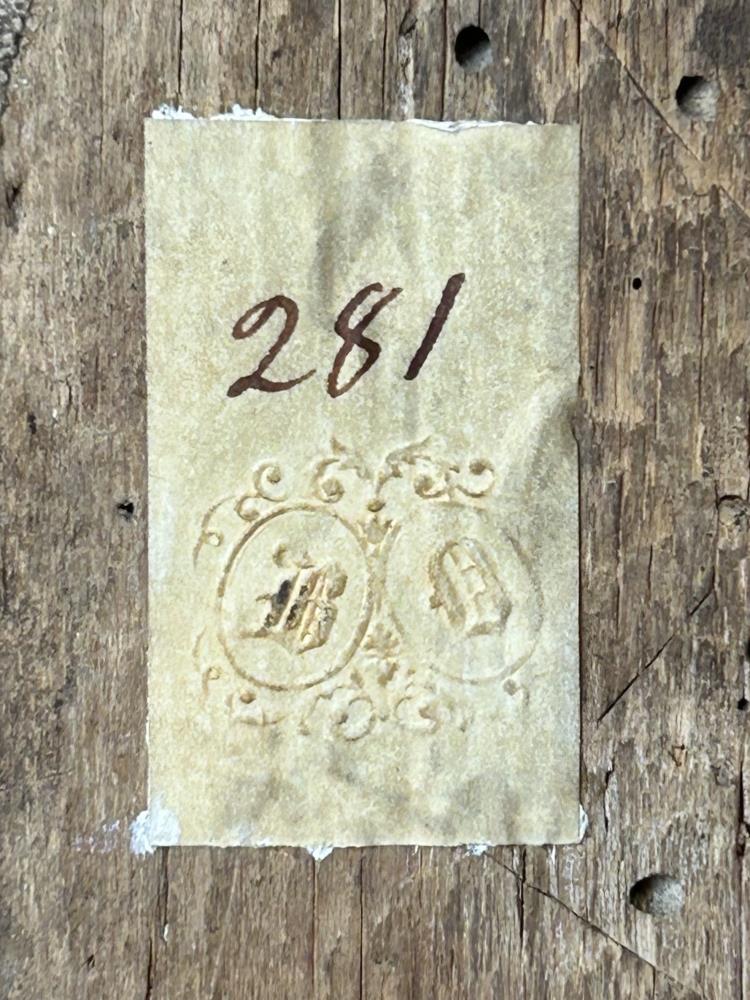
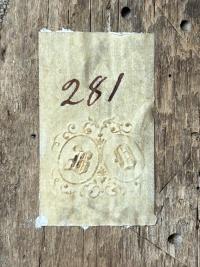
Benoit Oppenheim Collection, Berlin (acquired before 1904, label on the reverse bearing the collector’s stamp and the handwritten inventory number 281); Jakob Goldschmidt Collection, Berlin; Lempertz, Cologne, 11–12 March 1938, Lot 163; private collection, North Rhine-Westphalia (acquired from the aforementioned); private collection, Germany (inherited from the aforementioned). We would like to thank Dr Matthias Weniger, Munich, for his information regarding the Oppenheim Collection.
Share


Descrizione
The Jakob Goldschmidt Collection The Gothic sculpture ‘The Death of the Virgin’ comes to auction with a turbulent history – as part of one of Berlin’s most significant Jewish art collections, the dispersal of which is directly linked to the Nazi persecution of its owner. In the 1920s, Jakob Goldschmidt (1882–1955) was one of Germany’s most influential and successful bankers. As the sole shareholder of Danat-Bank, then Germany’s second-largest bank, he played a decisive role in shaping the financial life of the Weimar Republic. After the First World War, Jakob Goldschmidt built up an art collection of international standing, distinguished by its extraordinary breadth and quality. An early focus was on East Asian porcelain and decorative arts, which he assembled with assured judgement, before he specifically expanded his collection to include works of French modernism. He also placed particular emphasis on a collection of medieval sculpture, including high-quality devotional images and reliefs, mostly carved from panels, which vividly evoke the religious imagery of the late Middle Ages. In his prestigious residences – the villa in Neubabelsberg as well as in Berlin’s Tiergarten district – the collection unfolds as a living component of a cultured lifestyle. Contemporary photographs show densely hung rooms in which paintings, sculptures and decorative arts are deliberately interrelated and unfold their impact through their juxtaposition. Goldschmidt’s commitment extends beyond the private sphere. As a patron, he plays an active role in Berlin’s art scene and specifically supports museum acquisitions. For instance, he financed the acquisition of Vincent van Gogh’s *Garden by Daubigny* (1890) for the National Gallery – a work that remains one of the collection’s centrepieces to this day. It is in this combination of private collecting and public patronage that Goldschmidt’s role as a defining collector of the Weimar era becomes particularly evident. With the global economic crisis of 1931, the Danat Bank also became insolvent. In July 1931, the NSDAP newspaper *Der Führer* accused Goldschmidt of having brought about the bank’s collapse out of ‘typically Jewish greed’. In the wake of the banking crisis, parts of his assets, including property, securities and works of art, were seized to secure liabilities. Consequently, the collection also increasingly fell into the hands of the creditor banks. In 1933, following the National Socialists’ seizure of power, the situation worsened further: Goldschmidt lost his influence and was slandered in the press. Uniformed party supporters gathered outside his villa, chanting "We want the Jew Jakob Goldschmidt and we’ll beat him to death!" When his brother Louis was mistaken for him and brutally beaten by a group of National Socialists, Jakob Goldschmidt fled hastily and without preparation, first to Switzerland and a few years later via England to New York, where he built a new life for himself under difficult circumstances. He is forced to leave his property and the bulk of his art collection behind in Germany. This is confiscated by the state and gradually auctioned off in the years that follow. The works appear anonymously at auctions as ‘art collection of a Berlin collector’ and are torn from their original context. This relief is also among these objects. Goldschmidt had acquired it before 1930 from the well-known Berlin art collector Benoit Oppenheim (1842–1931). A historical interior photograph shows the sculpture in the study of Oppenheim’s Berlin villa and documents its presentation within the context of an upper-class collection. On 23 June 1936, it was offered for sale at Hugo Helbing in Frankfurt am Main, where it remained unsold, and was put up for auction again on 11–12 March 1938 at Lempertz in Cologne, where it finally changed hands. The break-up of Jakob Goldschmidt’s significant collection continued in the following years: in 1941, further works remaining in Germany were forcibly auctioned, and the remaining possessions were confiscated. After the war, the objects were scattered across the globe; the family began a protracted search for the lost works and submitted numerous restitution claims. The current consignors are descendants of the 1938 buyers. Aware of the historical circumstances, they have reached an amicable and fair settlement with Jakob Goldschmidt’s heirs through the mediation of KARL&FABER. Thus, after more than eight decades, the relief returns to the art market.