Max Kaus
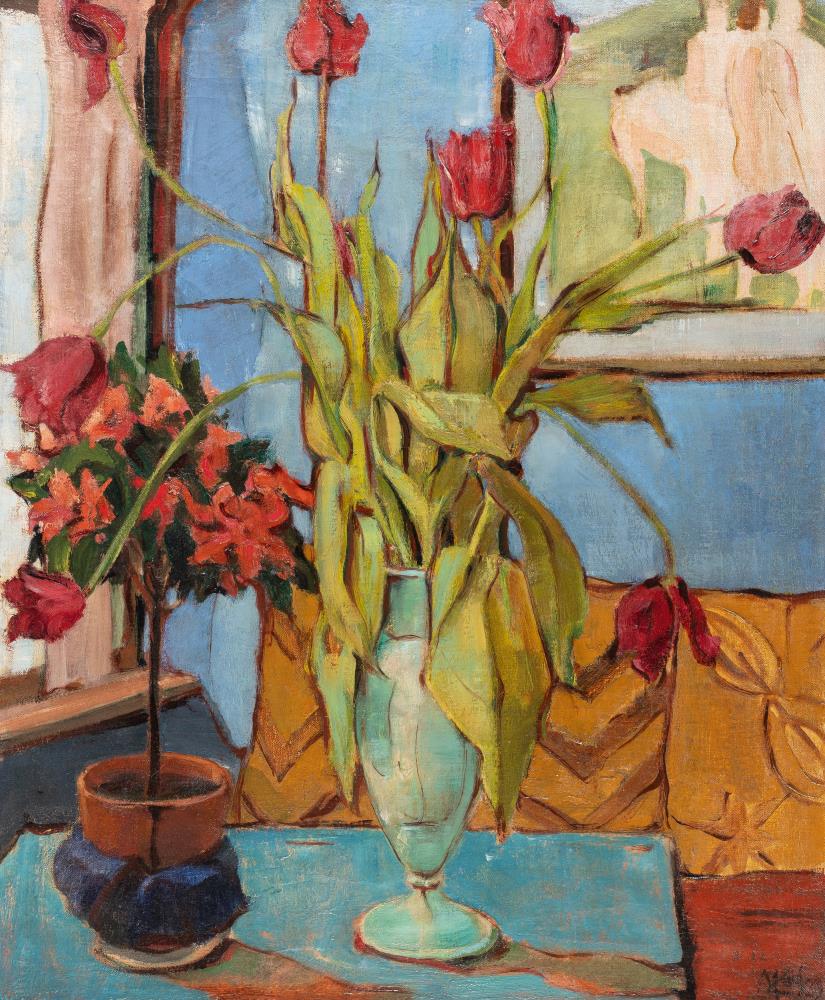
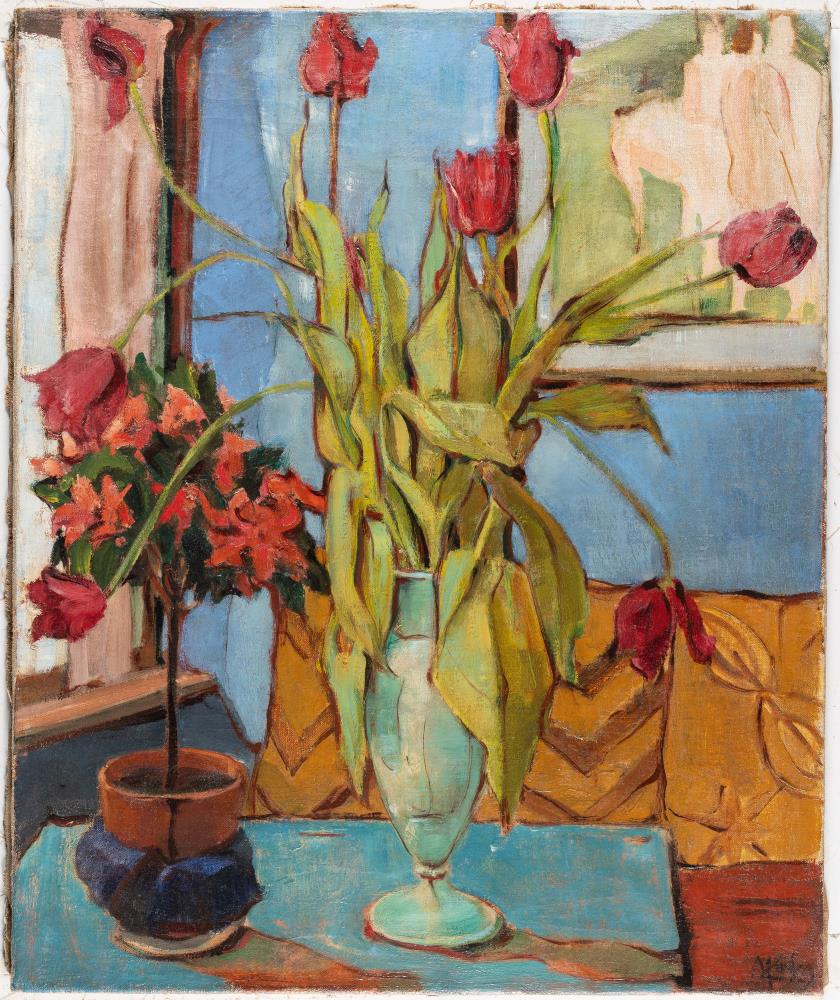
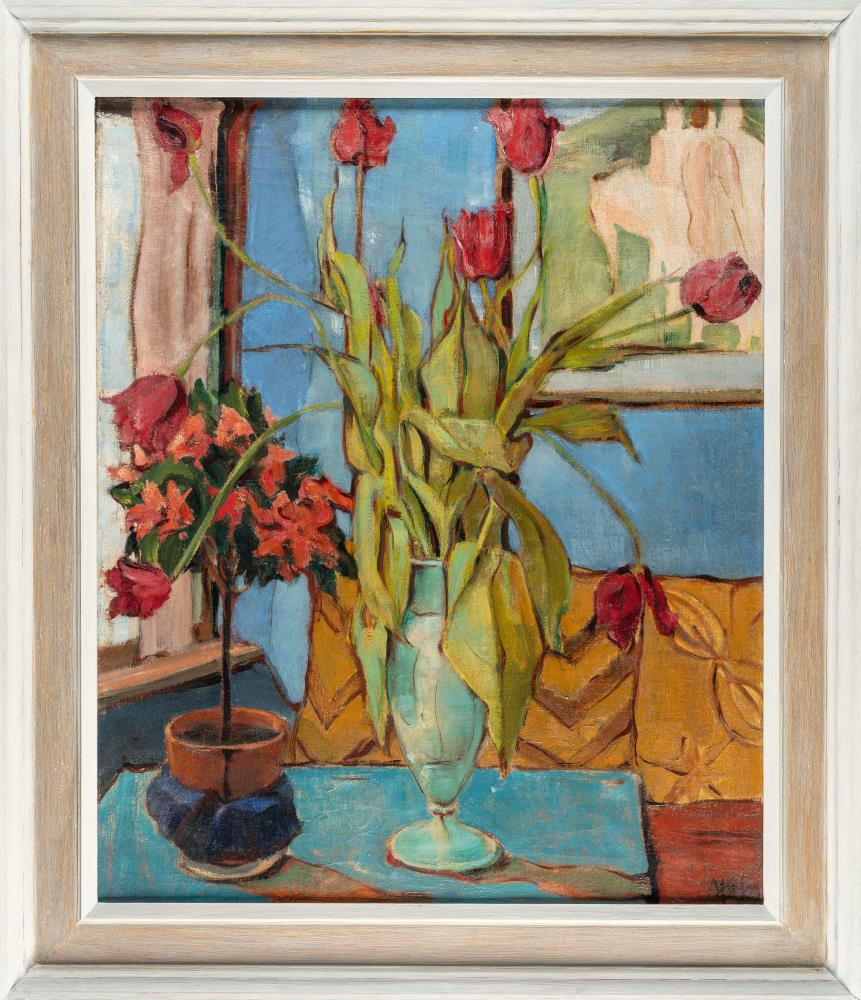
"Tulips"
Artist
Max Kaus
1891 - Berlin - 1977
Further information
Schmitt-Wischmann 152.
Provenance
Heinrich Vetter Collection, Ilvesheim;
Lempertz, Cologne 13 December 2003, Heinrich Vetter Collection, Lot 159;
Private collection, Berlin.
Lempertz, Cologne 13 December 2003, Heinrich Vetter Collection, Lot 159;
Private collection, Berlin.
Share


Description
• Created during the artist’s most artistically successful period in the 1920s
• A harmonious yet expressive and compelling composition
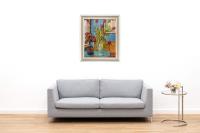
• Unusually large format for a still life
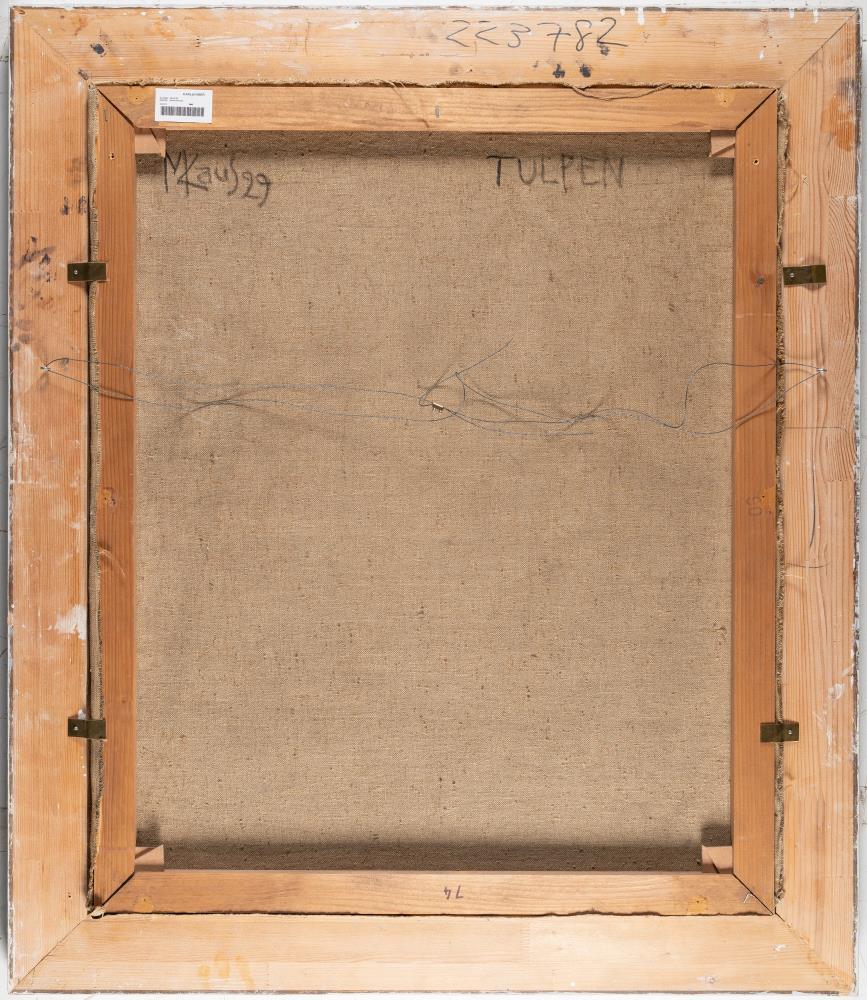
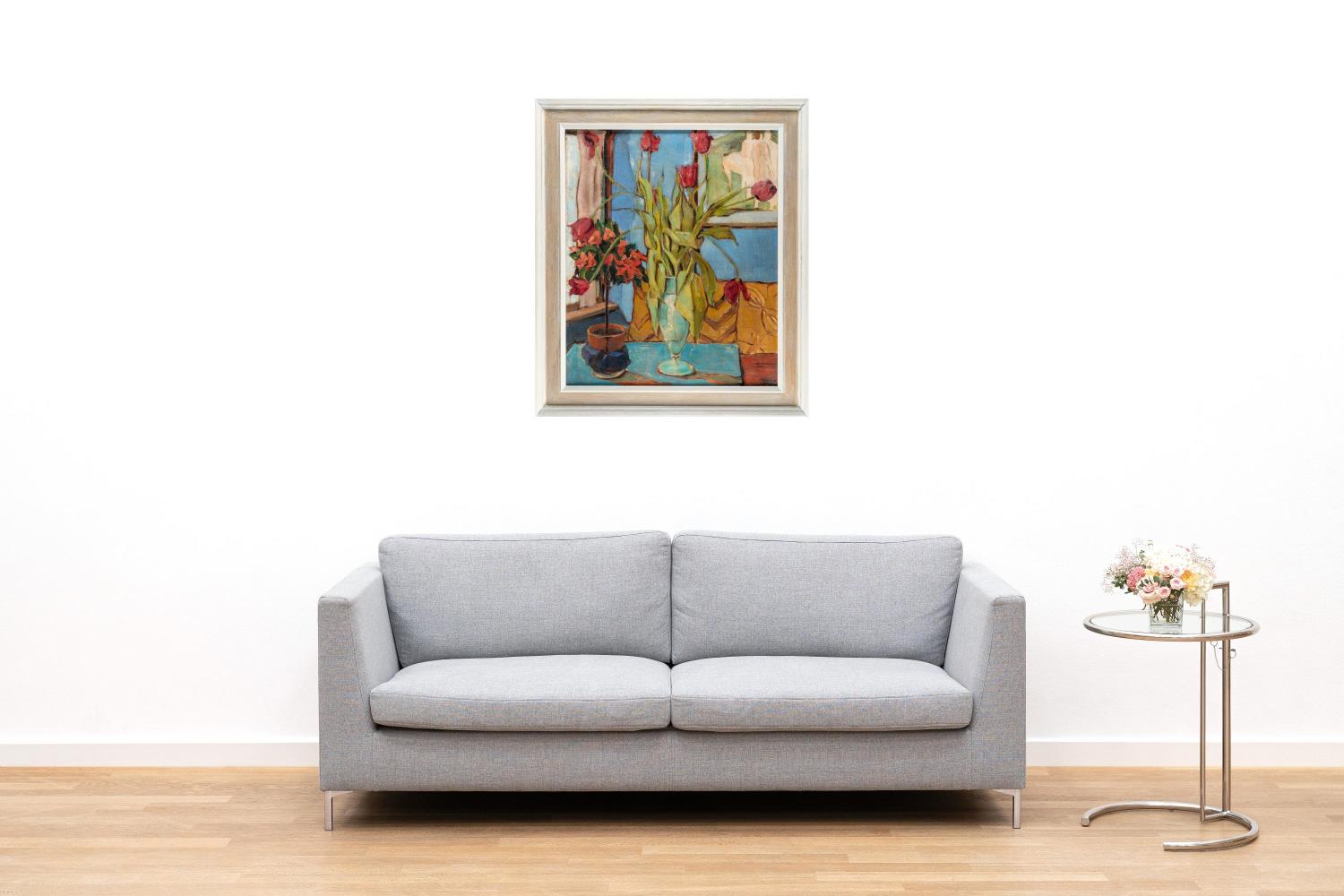
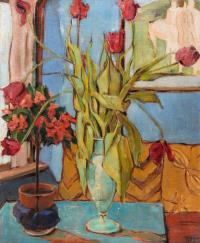
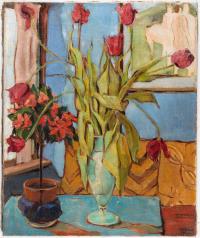
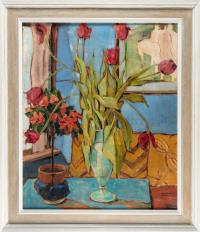
Despite the high regard in which he was held by his fellow artists as a professor at the Academy of Fine Arts and as a member of the Academy, Max Kaus remains one of the lesser-known painters of the modern era. He was influenced by his close friendship with Erich Heckel, whom he met whilst serving as a medic during the First World War, and by his contact with Karl Schmidt-Rottluff and Otto Mueller. Yet this acquaintance with the older artists and former members of ‘Die Brücke’ did not lead to an imitative emulation of Expressionism, but rather to a wholly independent development and formal language. Kaus did not paint with Expressionist passion, nor did he paint outdoors; instead, he worked in a considered and composed manner in his studio. "Order in the picture, in form and in colour, is important to me, for only then do the expression and vitality of feeling find their rightful place." Kaus’s oeuvre is characterised by depictions of landscapes and people, as well as numerous still lifes. The defining design elements of colour and light are an essential compositional feature in almost all his works. This is also the case with the work "Tulips" from 1929, which is characterised by a finely tuned, warm colour harmony. Yet Kaus is by no means content with a harmonious – to put it bluntly, boring – depiction of flowers. His painting is additionally imbued with a wonderfully expressive tension: Despite the unusually oversized format for a still life, the red, long-stemmed tulips seem almost to burst out of the picture frame, and the space depicted behind them barely fits into the picture: the table, bench and window sill, as well as the painting on the wall, are all cropped; only the small flowering azalea stem still finds room next to the large vase of flowers. Kaus describes his creative process as a "struggle between statuesque solidity, painterly serenity and expressive restlessness", yet at the same time it is "(…) always my endeavour to give my works an order that corresponds to my rhythm". It is a cheerful, lively and timeless rhythm that continues to captivate the viewer almost a hundred years after the painting was created.
• A harmonious yet expressive and compelling composition
• Unusually large format for a still life
Despite the high regard in which he was held by his fellow artists as a professor at the Academy of Fine Arts and as a member of the Academy, Max Kaus remains one of the lesser-known painters of the modern era. He was influenced by his close friendship with Erich Heckel, whom he met whilst serving as a medic during the First World War, and by his contact with Karl Schmidt-Rottluff and Otto Mueller. Yet this acquaintance with the older artists and former members of ‘Die Brücke’ did not lead to an imitative emulation of Expressionism, but rather to a wholly independent development and formal language. Kaus did not paint with Expressionist passion, nor did he paint outdoors; instead, he worked in a considered and composed manner in his studio. "Order in the picture, in form and in colour, is important to me, for only then do the expression and vitality of feeling find their rightful place." Kaus’s oeuvre is characterised by depictions of landscapes and people, as well as numerous still lifes. The defining design elements of colour and light are an essential compositional feature in almost all his works. This is also the case with the work "Tulips" from 1929, which is characterised by a finely tuned, warm colour harmony. Yet Kaus is by no means content with a harmonious – to put it bluntly, boring – depiction of flowers. His painting is additionally imbued with a wonderfully expressive tension: Despite the unusually oversized format for a still life, the red, long-stemmed tulips seem almost to burst out of the picture frame, and the space depicted behind them barely fits into the picture: the table, bench and window sill, as well as the painting on the wall, are all cropped; only the small flowering azalea stem still finds room next to the large vase of flowers. Kaus describes his creative process as a "struggle between statuesque solidity, painterly serenity and expressive restlessness", yet at the same time it is "(…) always my endeavour to give my works an order that corresponds to my rhythm". It is a cheerful, lively and timeless rhythm that continues to captivate the viewer almost a hundred years after the painting was created.