Franz von Lenbach
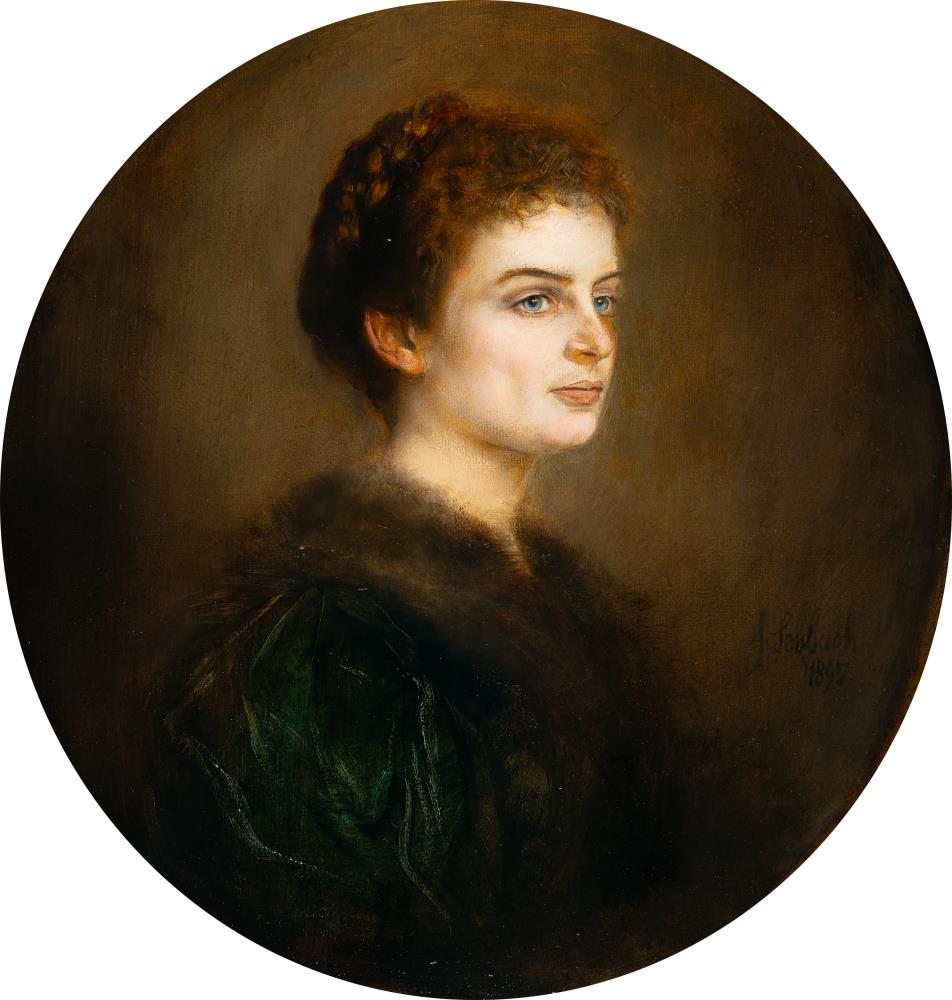
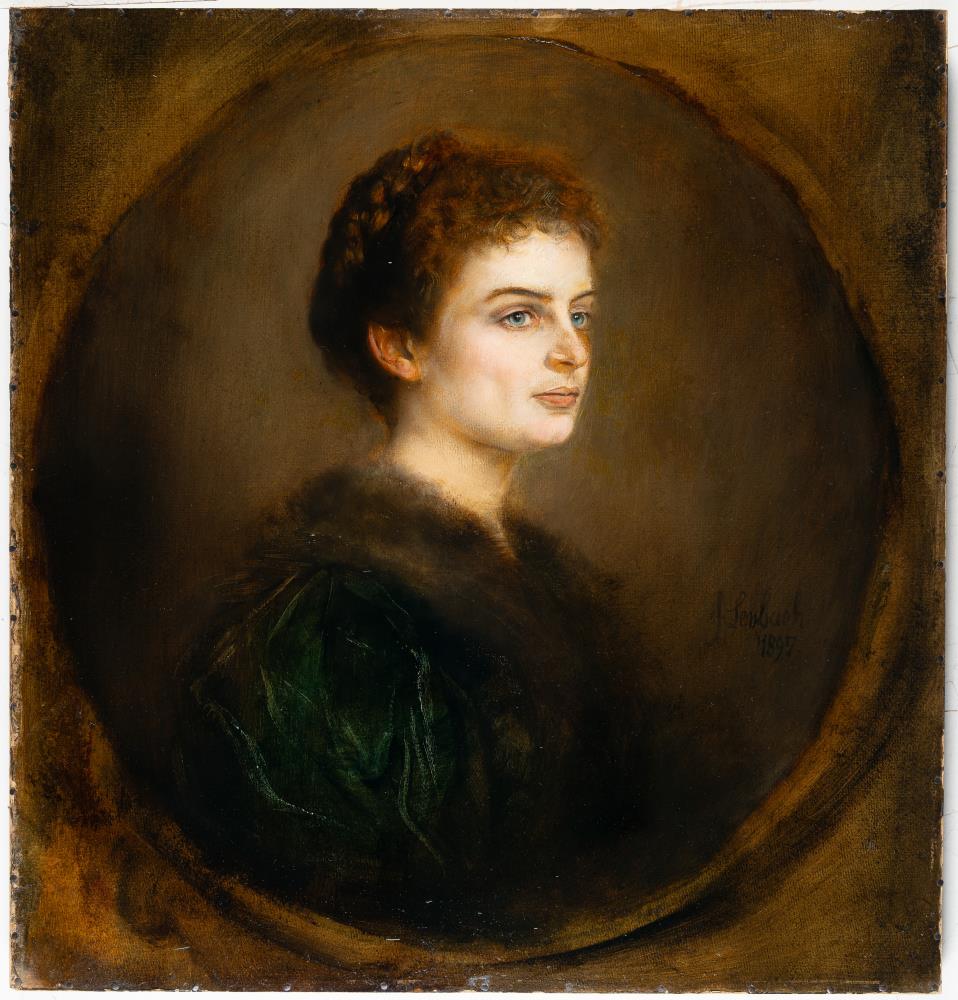
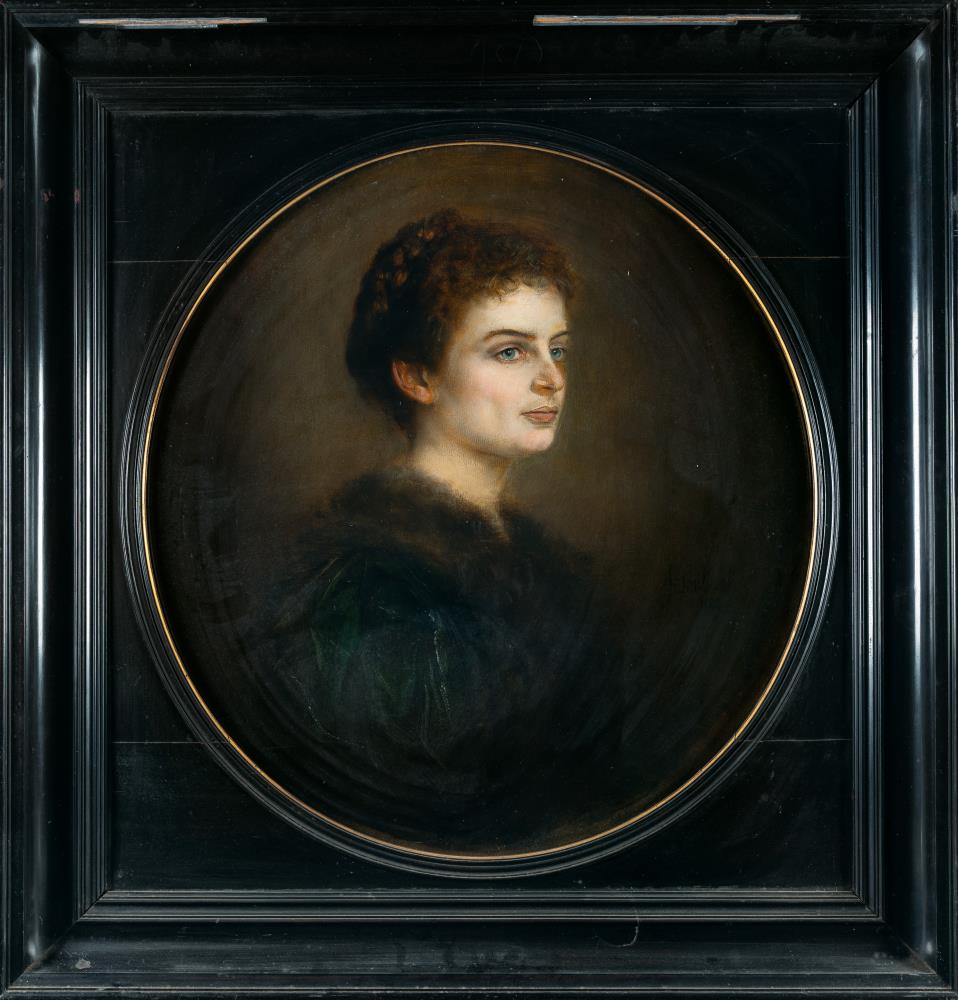
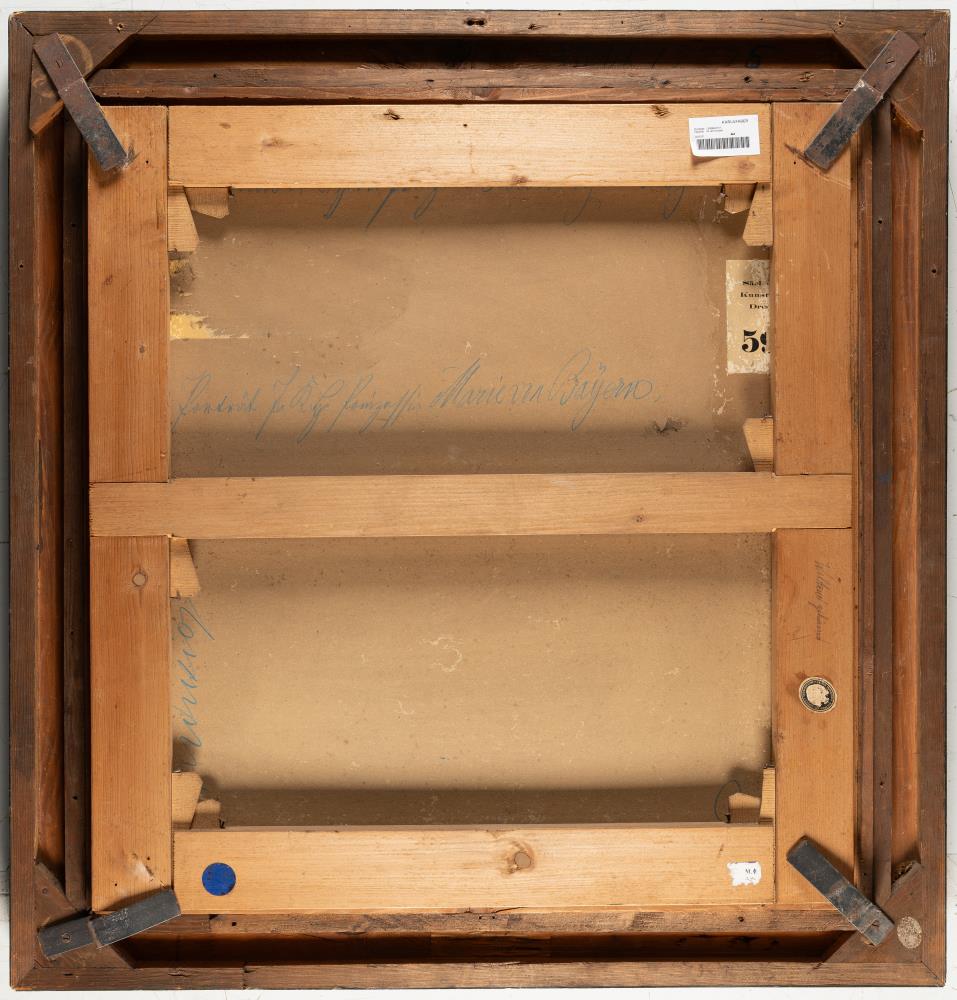
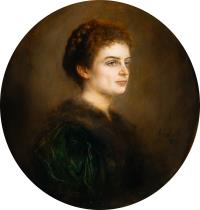
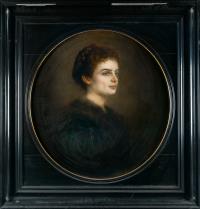
Princess Maria of Bavaria
Artist
Franz von Lenbach
1836 Schrobenhausen - München 1904
Exhibition
Lenbach-Ausstellung im Königlichen Kunstausstellungsgebäude am Königsplatz, München, 1905, Kat.-Nr. 6.
Provenance
From the estate of the Dukes in Bavaria.
lot_group
2 From the estate of the Dukes of Bavaria
Share


Description
Maria Ludwiga Theresia, Princess of Bavaria (1872–1954), was the daughter of King Ludwig III of Bavaria and Archduchess Marie Therese of Austria-Este. On 31 May 1897, she married Prince Ferdinand of Bourbon-Sicily, Duke of Calabria, in Munich.
The Dukes’ Estate in Bavaria
When an estate is built up over generations, the result is more than just a collection of artworks – history itself becomes condensed. The ‘Dukes’ Estate in Bavaria’ collection illustrates this vividly: it offers a glimpse into the world of the Wittelsbachs and provides a perspective on their self-image that is both personal and representative.
With around 40 works from noble estates, a collection that has grown over three centuries is coming to auction, revealing the portrait as a medium that bridges the staging of power, memory and historical affirmation. At the same time, the works reflect individual life stories as well as their cultural and political contexts of origin.
The focus is on portraits of the Palatinate Electors and the Dukes in Bavaria. Rank and dynastic affiliation are expressed through clothing, attributes and posture; the transformation of the portrait from the 18th to the early 20th century becomes tangible in the tension between representation and personal approach.
The works of Franz von Lenbach, one of the most significant portraitists of the late 19th century, occupy a key position. With consummate painterly mastery and a keen psychological insight, he translated social status into an image. The portrait of ‘Princess Marie of Bavaria’ (Lot 131) is a copy of this combination of dignity and individuality. As the ‘Malerfürst’ (Lord of Painters), Lenbach shaped the image of the elites of his time and is one of the central figures of German late Realism. In contrast stands the portrait by Christian Schad, a leading exponent of New Objectivity. His 1922 portrait of ‘Marie José, Duchess of Bavaria’ (Lot 169) displays a sober, precise approach that analyses rather than merely represents. Schad thus articulates that detached, modern view of humanity which came to define the art of the interwar period.
In addition to the portraits, the following pages feature a remarkable group of works that look beyond the individual to landscape, topography and cultural environments. Particularly noteworthy are the finely executed cityscapes by Joseph Andreas Weiss, which capture the Bavarian administrative districts – from Regensburg to Bayreuth – with veduta-like precision whilst simultaneously creating a multi-layered picture of regional identity. Graphic prints such as ‘Bavaria’ from Schedel’s World Chronicle, scenes such as ‘A Day at the Kreuth Baths’ or works such as ‘Angels in the Clouds’ complement this with vivid snapshots of social life and allegorical perspectives.
Overall, the "Estate of the Dukes in Bavaria" collection thus gains an additional dimension: it brings together not only portraits as bearers of dynastic memory, but also depictions of places, regions and ways of life that reflect the cultural self-image of their time. With its cohesion and outstanding provenance, it offers a rare opportunity: art-historical quality combines with documentary significance to form a multifaceted panorama that invites us to rediscover history through the medium of art.
In cooperation with Philipp Württemberg Art Advisory and
SCHEUBLEIN Art & Auctions.
The Dukes’ Estate in Bavaria
When an estate is built up over generations, the result is more than just a collection of artworks – history itself becomes condensed. The ‘Dukes’ Estate in Bavaria’ collection illustrates this vividly: it offers a glimpse into the world of the Wittelsbachs and provides a perspective on their self-image that is both personal and representative.
With around 40 works from noble estates, a collection that has grown over three centuries is coming to auction, revealing the portrait as a medium that bridges the staging of power, memory and historical affirmation. At the same time, the works reflect individual life stories as well as their cultural and political contexts of origin.
The focus is on portraits of the Palatinate Electors and the Dukes in Bavaria. Rank and dynastic affiliation are expressed through clothing, attributes and posture; the transformation of the portrait from the 18th to the early 20th century becomes tangible in the tension between representation and personal approach.
The works of Franz von Lenbach, one of the most significant portraitists of the late 19th century, occupy a key position. With consummate painterly mastery and a keen psychological insight, he translated social status into an image. The portrait of ‘Princess Marie of Bavaria’ (Lot 131) is a copy of this combination of dignity and individuality. As the ‘Malerfürst’ (Lord of Painters), Lenbach shaped the image of the elites of his time and is one of the central figures of German late Realism. In contrast stands the portrait by Christian Schad, a leading exponent of New Objectivity. His 1922 portrait of ‘Marie José, Duchess of Bavaria’ (Lot 169) displays a sober, precise approach that analyses rather than merely represents. Schad thus articulates that detached, modern view of humanity which came to define the art of the interwar period.
In addition to the portraits, the following pages feature a remarkable group of works that look beyond the individual to landscape, topography and cultural environments. Particularly noteworthy are the finely executed cityscapes by Joseph Andreas Weiss, which capture the Bavarian administrative districts – from Regensburg to Bayreuth – with veduta-like precision whilst simultaneously creating a multi-layered picture of regional identity. Graphic prints such as ‘Bavaria’ from Schedel’s World Chronicle, scenes such as ‘A Day at the Kreuth Baths’ or works such as ‘Angels in the Clouds’ complement this with vivid snapshots of social life and allegorical perspectives.
Overall, the "Estate of the Dukes in Bavaria" collection thus gains an additional dimension: it brings together not only portraits as bearers of dynastic memory, but also depictions of places, regions and ways of life that reflect the cultural self-image of their time. With its cohesion and outstanding provenance, it offers a rare opportunity: art-historical quality combines with documentary significance to form a multifaceted panorama that invites us to rediscover history through the medium of art.
In cooperation with Philipp Württemberg Art Advisory and
SCHEUBLEIN Art & Auctions.