Augustin Alexandre Thierriat
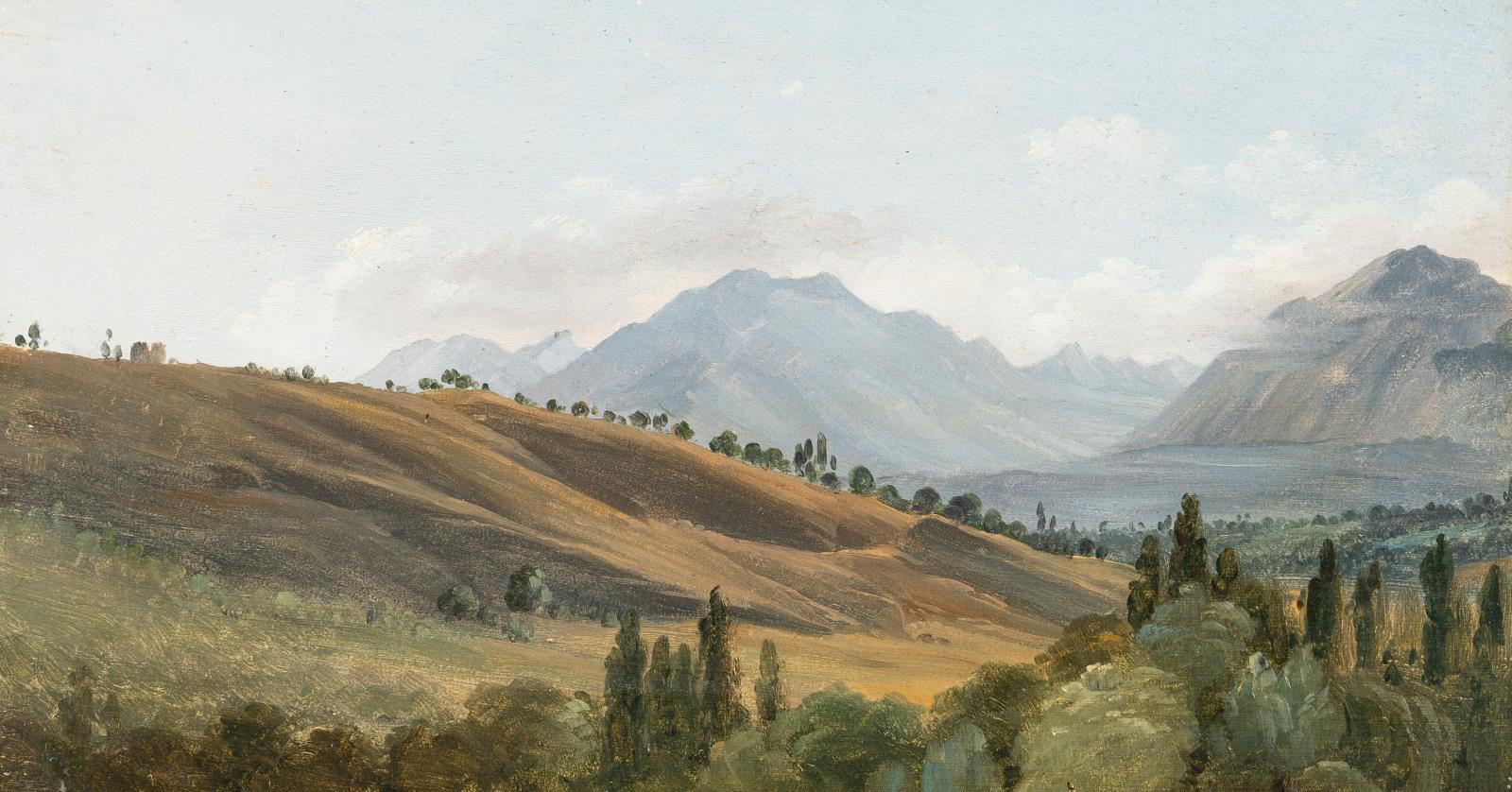
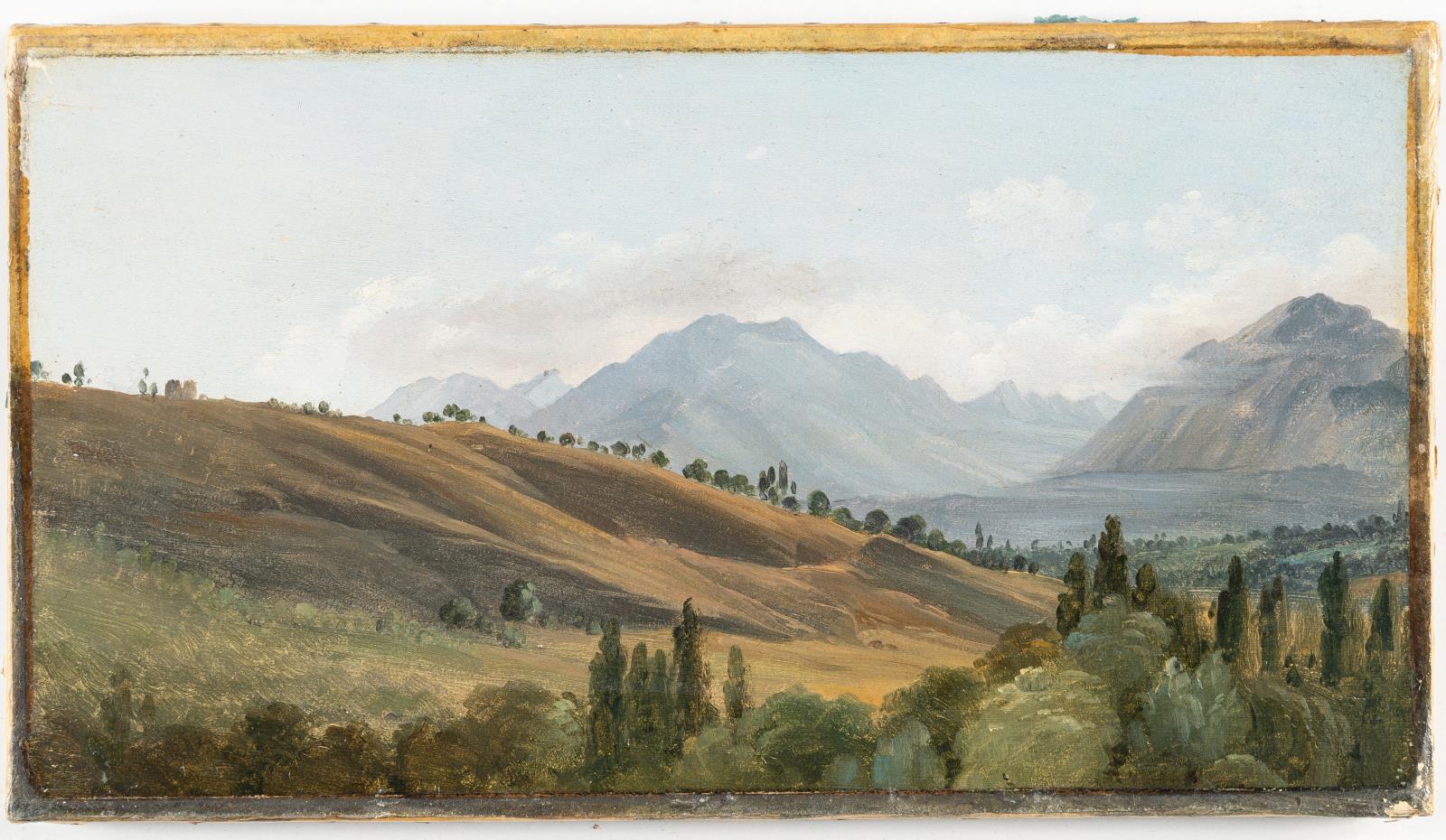
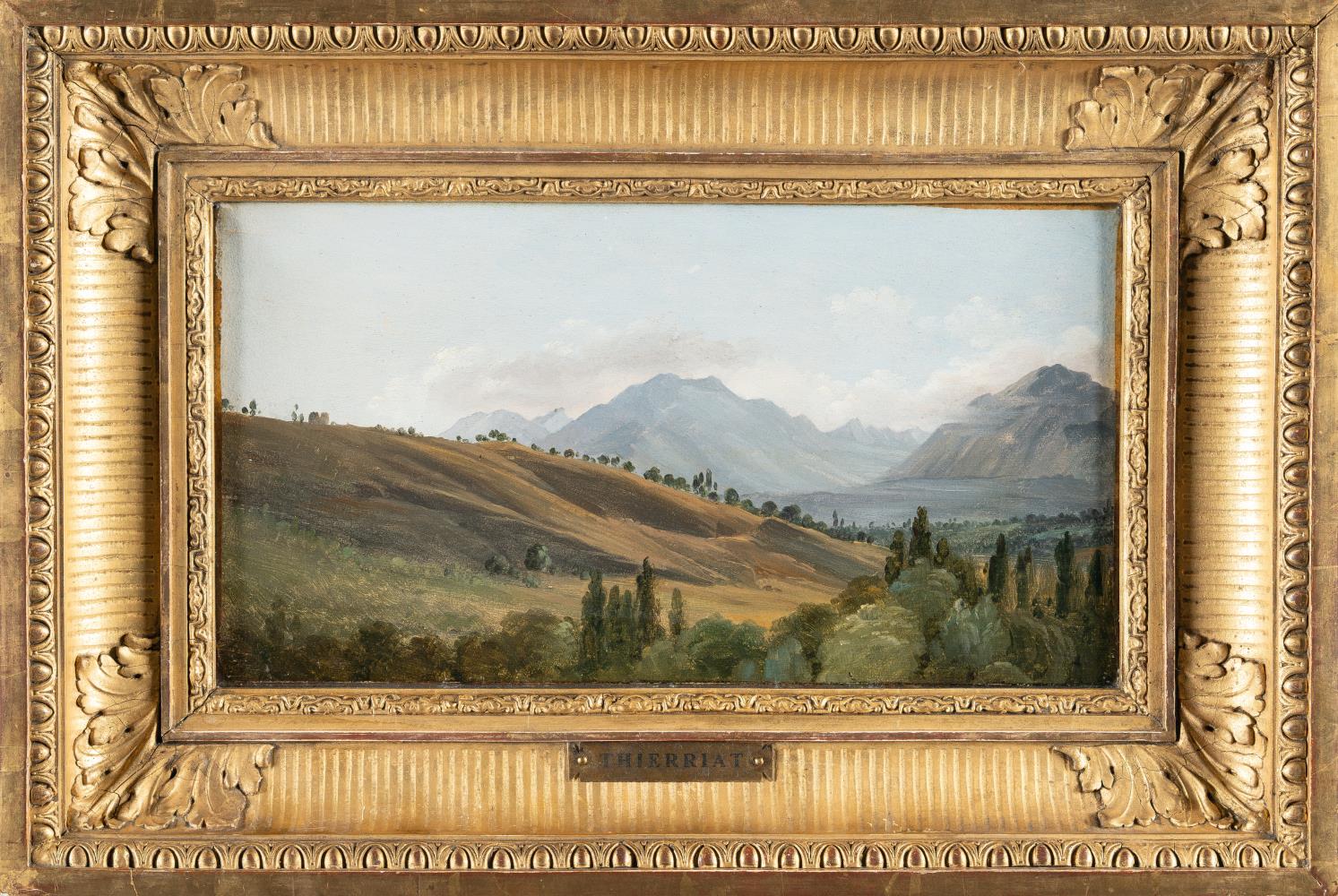
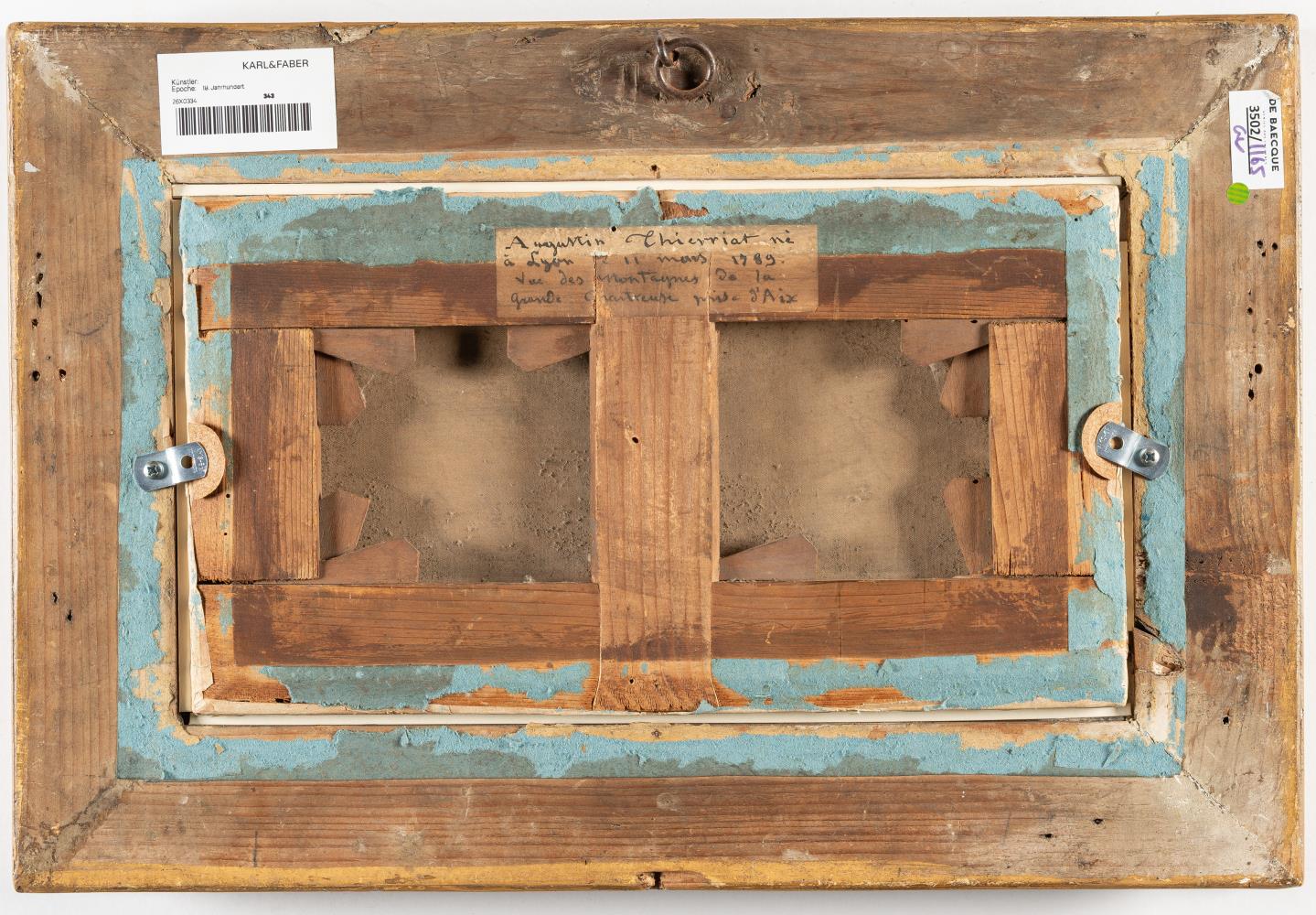
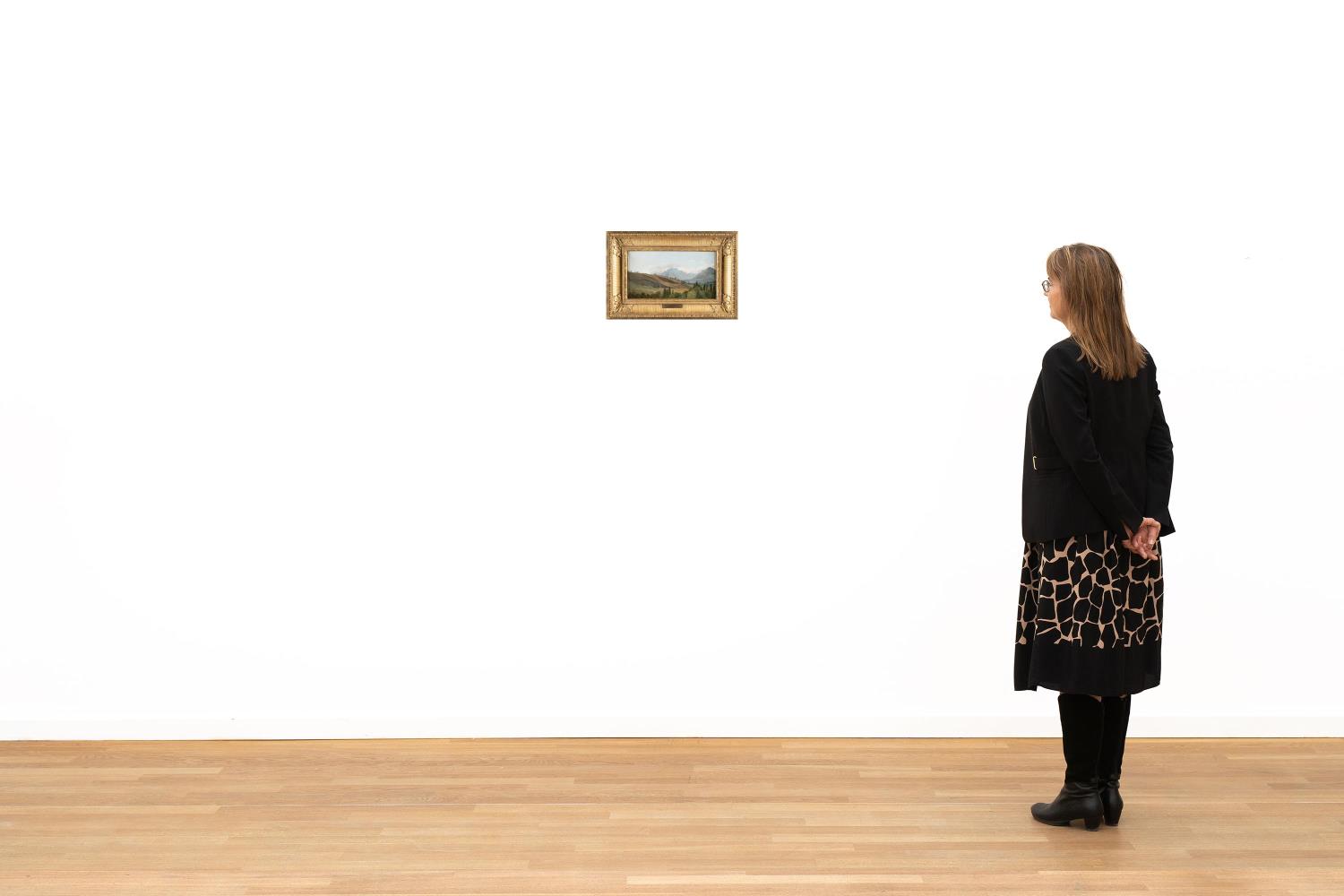
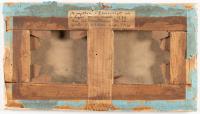
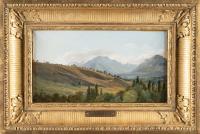
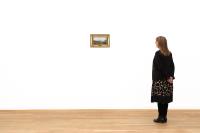
View of the Grande-Chartreuse Mountains, taken from Aix
Artist
Augustin Alexandre Thierriat
1789 – Lyon – 1870
Further information
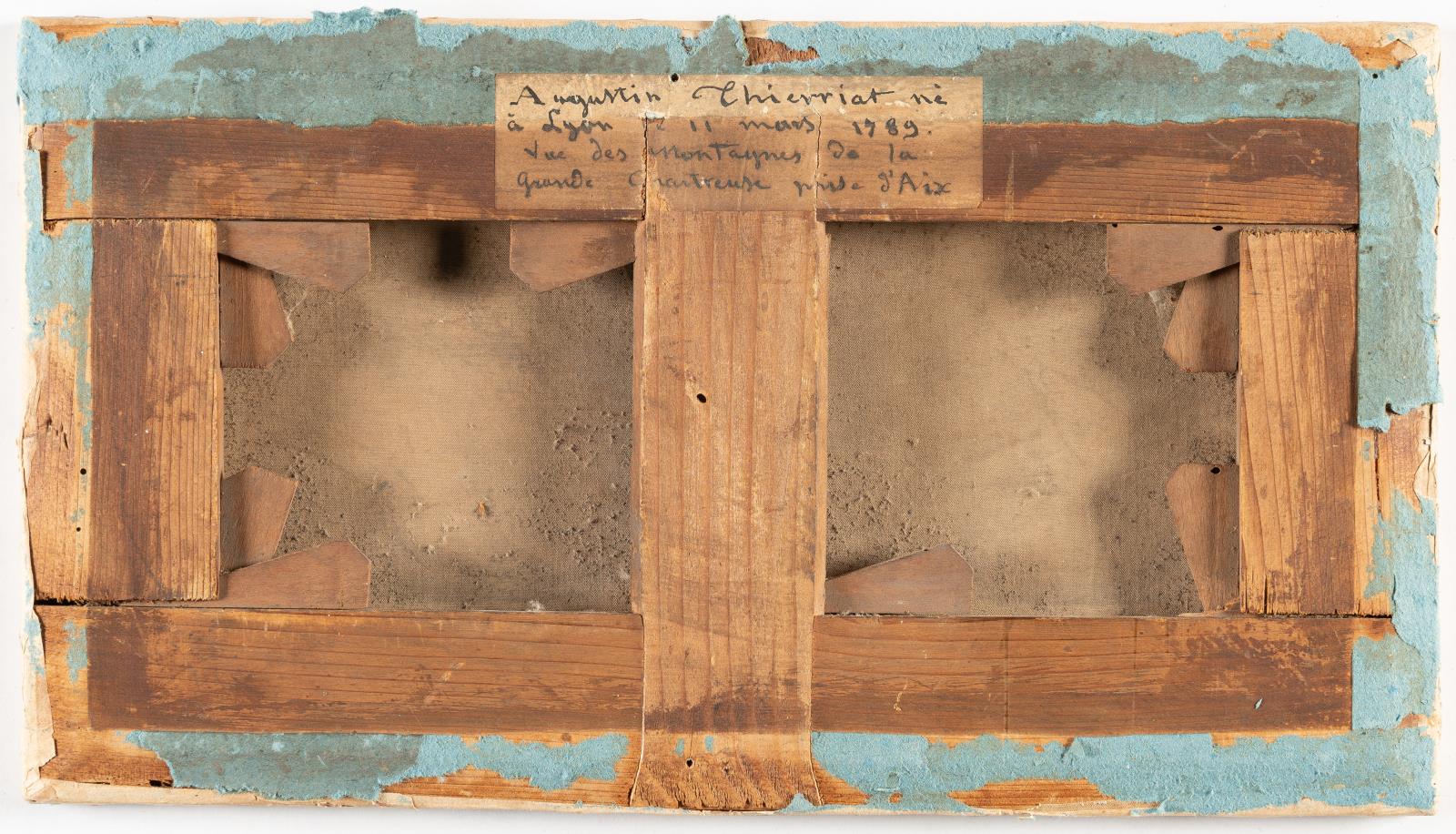
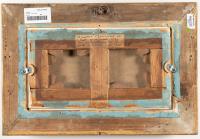
Alt handschriftlich bezeichnet auf einem Etikett verso.
Provenance
Private collection, Northern Germany.
Share


Description
The Oil Sketch – On the Freedom of Painting
In October 1824, the famous Berlin architect Karl Friedrich Schinkel visited the painter Heinrich Reinhold at his studio in Rome. There he saw Reinhold’s small-format oil sketches of the surroundings of Rome, which delighted Schinkel – during his visit he acquired a total of twelve oil sketches by Reinhold, most of which are now in the possession of the Hamburger Kunsthalle. It certainly took some persuasion to convince Reinhold to sell them, for he himself valued them highly and parted with them only very reluctantly. He expressed his regret at their loss to his brother Friedrich Philipp, considering it "unwise to part with studies of nature, which one does not always get to do a second time", yet he hoped that Schinkel "as a significant artist and a man of great influence, might be of great use if he were to display these works in Berlin." Schinkel himself remarked to his wife that he had ‘brought back something truly artistic in the truest sense’, which were so special ‘because the effects of nature never recur in this way’. Schinkel’s interest was focused on a spontaneous, immediate experience of nature, on an irreproducible uniqueness that would forever preserve the colour and atmosphere of the South in his memory. In fact, Reinhold’s oil sketches were particularly sought after by artists – Julius Schnorr von Carolsfeld and Ludwig Richter, too, spoke highly of them – because they did not conform to the usual, fully worked-out landscape views, but offered subjective perspectives and vistas. Schinkel and other artists recognised in them autonomous, independent works of art that stood on their own and no longer served merely as preparations for a finished painting.
The oil sketch, however, is not an invention of the period after 1800, though it had previously always been integrated into a working or creative process. Since its beginnings in the 16th century, particularly in northern Italy – for instance with Tintoretto and Veronese in Venice – it served as a draft or preparatory study – bozzetto or modello – for a larger painting. In the 17th century, the Flemish artist Peter Paul Rubens systematically integrated it into his working process to clarify and develop a pictorial idea, as a compositional draft for workshop assistants and, not least, for presentation to clients. In the 18th century, the boundaries between preparatory sketch and independent work became increasingly blurred, as seen in the work of the English artist Thomas Jones or the French artist Pierre-Henri de Valenciennes, yet it was not until the period after 1800 that the type of autonomous oil sketch, created solely for its own sake, developed.
Before 1800, nature had to be tamed – the numerous, often embellished landscape vedute and the Baroque landscape garden attest to this ‘distant’ relationship with nature; yet the triumph of the English landscape garden after 1800 reveals a new, immediate relationship with the landscape. Nature was now experienced, a development to which Jean-Jacques Rousseau’s writings and the subsequent discovery of the Alps had made a significant contribution. Explorers such as Alexander von Humboldt set off on expeditions to distant, hitherto unknown worlds; Johann Gottfried Seume’s journey to Sicily is famous, during which he covered large sections on foot in 1801–02 and published his travel experiences in his Spaziergang nach Syrakus (Stroll to Syracuse).
There is no question that this was a Europe-wide phenomenon in which the relationship with nature and the landscape was being renegotiated. Artists now went out into nature, explored it on foot, and in some cases even endured great hardships in order to capture their subject. This marked the birth of plein air painting, of plein airism, which fundamentally altered the way nature and landscape were perceived in painting – it became more experimental and subjective, explored constantly changing weather phenomena and moods, studied the light of the moment, and fragmented nature into inconspicuous details previously deemed unworthy of depiction. Clouds, tree trunks, branches and rocks came into focus and were understood as part of a larger world. For their artistic endeavours, the oil sketch became an indispensable means of expression – small in format and therefore easy to transport, usually on stiff cardboard, quick in execution and in capturing the motif at different times of day, spontaneous in the application of colour and free in brushwork, they captured the fleeting moment of constantly changing light conditions and moods in the landscape. John Constable’s works from the early 1820s are counted among these ‘pure landscape oil sketches’ (Werner Busch) just as much as the views by Johann Georg von Dillis, well known in Munich, which he brought back around the same time from his daily walks to Prater Island and the English Garden. At the same time, Rome became a testing ground for oil sketches, where German artists such as the aforementioned Heinrich Reinhold, followed by Friedrich Nerly and later Johann Wilhelm Schirmer, cultivated the medium. These artists represent several generations of artists who, right up until the second half of the century, were exploring the landscape in Rome and its surroundings – primarily in the Alban Hills and in Olevano. After 1800, Rome was teeming with artists from all corners of the globe – English, Swiss, Danish and, not least, French artists such as Jean-Baptiste Camille Corot, who had attracted attention in Rome in the mid-1820s with small oil sketches and, upon his return to France, became the leading exponent of the Barbizon School. The small village, situated near the Forest of Fontainebleau south of Paris, had been discovered by Théodore Rousseau around 1830 and subsequently developed into a diverse artists’ colony, partly because it had been accessible by rail since the early 1840s. Barbizon became an international centre for plein air painting, which is rightly regarded as a precursor to Impressionism. With their sketchy, free-flowing style, the painters of the Barbizon School gained international recognition and attracted numerous foreign artists – including some from Germany, such as Carl Spitzweg and Eduard Schleich the Elder from Munich, who visited the small village in 1851, where the works of Narcisse-Virgile Díaz de la Peña in particular had left a lasting impression on them.
Painting in oils in the open air thus became increasingly widespread throughout Europe, following technical innovations such as the invention of oil paint in tubes in 1841, which made plein air painting practicable because the paints no longer had to be ground out and did not dry out as quickly. Oil sketches offered painters new possibilities for expression, but also for the choice of subject matter. Although Italy remained the preferred testing ground for oil sketches in the second half of the century, they now spread throughout Europe and subsequently became a sought-after collector’s item, one that still touches and fascinates today’s viewers with its immediacy and spontaneity.
Dr Peter Prange
In October 1824, the famous Berlin architect Karl Friedrich Schinkel visited the painter Heinrich Reinhold at his studio in Rome. There he saw Reinhold’s small-format oil sketches of the surroundings of Rome, which delighted Schinkel – during his visit he acquired a total of twelve oil sketches by Reinhold, most of which are now in the possession of the Hamburger Kunsthalle. It certainly took some persuasion to convince Reinhold to sell them, for he himself valued them highly and parted with them only very reluctantly. He expressed his regret at their loss to his brother Friedrich Philipp, considering it "unwise to part with studies of nature, which one does not always get to do a second time", yet he hoped that Schinkel "as a significant artist and a man of great influence, might be of great use if he were to display these works in Berlin." Schinkel himself remarked to his wife that he had ‘brought back something truly artistic in the truest sense’, which were so special ‘because the effects of nature never recur in this way’. Schinkel’s interest was focused on a spontaneous, immediate experience of nature, on an irreproducible uniqueness that would forever preserve the colour and atmosphere of the South in his memory. In fact, Reinhold’s oil sketches were particularly sought after by artists – Julius Schnorr von Carolsfeld and Ludwig Richter, too, spoke highly of them – because they did not conform to the usual, fully worked-out landscape views, but offered subjective perspectives and vistas. Schinkel and other artists recognised in them autonomous, independent works of art that stood on their own and no longer served merely as preparations for a finished painting.
The oil sketch, however, is not an invention of the period after 1800, though it had previously always been integrated into a working or creative process. Since its beginnings in the 16th century, particularly in northern Italy – for instance with Tintoretto and Veronese in Venice – it served as a draft or preparatory study – bozzetto or modello – for a larger painting. In the 17th century, the Flemish artist Peter Paul Rubens systematically integrated it into his working process to clarify and develop a pictorial idea, as a compositional draft for workshop assistants and, not least, for presentation to clients. In the 18th century, the boundaries between preparatory sketch and independent work became increasingly blurred, as seen in the work of the English artist Thomas Jones or the French artist Pierre-Henri de Valenciennes, yet it was not until the period after 1800 that the type of autonomous oil sketch, created solely for its own sake, developed.
Before 1800, nature had to be tamed – the numerous, often embellished landscape vedute and the Baroque landscape garden attest to this ‘distant’ relationship with nature; yet the triumph of the English landscape garden after 1800 reveals a new, immediate relationship with the landscape. Nature was now experienced, a development to which Jean-Jacques Rousseau’s writings and the subsequent discovery of the Alps had made a significant contribution. Explorers such as Alexander von Humboldt set off on expeditions to distant, hitherto unknown worlds; Johann Gottfried Seume’s journey to Sicily is famous, during which he covered large sections on foot in 1801–02 and published his travel experiences in his Spaziergang nach Syrakus (Stroll to Syracuse).
There is no question that this was a Europe-wide phenomenon in which the relationship with nature and the landscape was being renegotiated. Artists now went out into nature, explored it on foot, and in some cases even endured great hardships in order to capture their subject. This marked the birth of plein air painting, of plein airism, which fundamentally altered the way nature and landscape were perceived in painting – it became more experimental and subjective, explored constantly changing weather phenomena and moods, studied the light of the moment, and fragmented nature into inconspicuous details previously deemed unworthy of depiction. Clouds, tree trunks, branches and rocks came into focus and were understood as part of a larger world. For their artistic endeavours, the oil sketch became an indispensable means of expression – small in format and therefore easy to transport, usually on stiff cardboard, quick in execution and in capturing the motif at different times of day, spontaneous in the application of colour and free in brushwork, they captured the fleeting moment of constantly changing light conditions and moods in the landscape. John Constable’s works from the early 1820s are counted among these ‘pure landscape oil sketches’ (Werner Busch) just as much as the views by Johann Georg von Dillis, well known in Munich, which he brought back around the same time from his daily walks to Prater Island and the English Garden. At the same time, Rome became a testing ground for oil sketches, where German artists such as the aforementioned Heinrich Reinhold, followed by Friedrich Nerly and later Johann Wilhelm Schirmer, cultivated the medium. These artists represent several generations of artists who, right up until the second half of the century, were exploring the landscape in Rome and its surroundings – primarily in the Alban Hills and in Olevano. After 1800, Rome was teeming with artists from all corners of the globe – English, Swiss, Danish and, not least, French artists such as Jean-Baptiste Camille Corot, who had attracted attention in Rome in the mid-1820s with small oil sketches and, upon his return to France, became the leading exponent of the Barbizon School. The small village, situated near the Forest of Fontainebleau south of Paris, had been discovered by Théodore Rousseau around 1830 and subsequently developed into a diverse artists’ colony, partly because it had been accessible by rail since the early 1840s. Barbizon became an international centre for plein air painting, which is rightly regarded as a precursor to Impressionism. With their sketchy, free-flowing style, the painters of the Barbizon School gained international recognition and attracted numerous foreign artists – including some from Germany, such as Carl Spitzweg and Eduard Schleich the Elder from Munich, who visited the small village in 1851, where the works of Narcisse-Virgile Díaz de la Peña in particular had left a lasting impression on them.
Painting in oils in the open air thus became increasingly widespread throughout Europe, following technical innovations such as the invention of oil paint in tubes in 1841, which made plein air painting practicable because the paints no longer had to be ground out and did not dry out as quickly. Oil sketches offered painters new possibilities for expression, but also for the choice of subject matter. Although Italy remained the preferred testing ground for oil sketches in the second half of the century, they now spread throughout Europe and subsequently became a sought-after collector’s item, one that still touches and fascinates today’s viewers with its immediacy and spontaneity.
Dr Peter Prange